
Shrubs
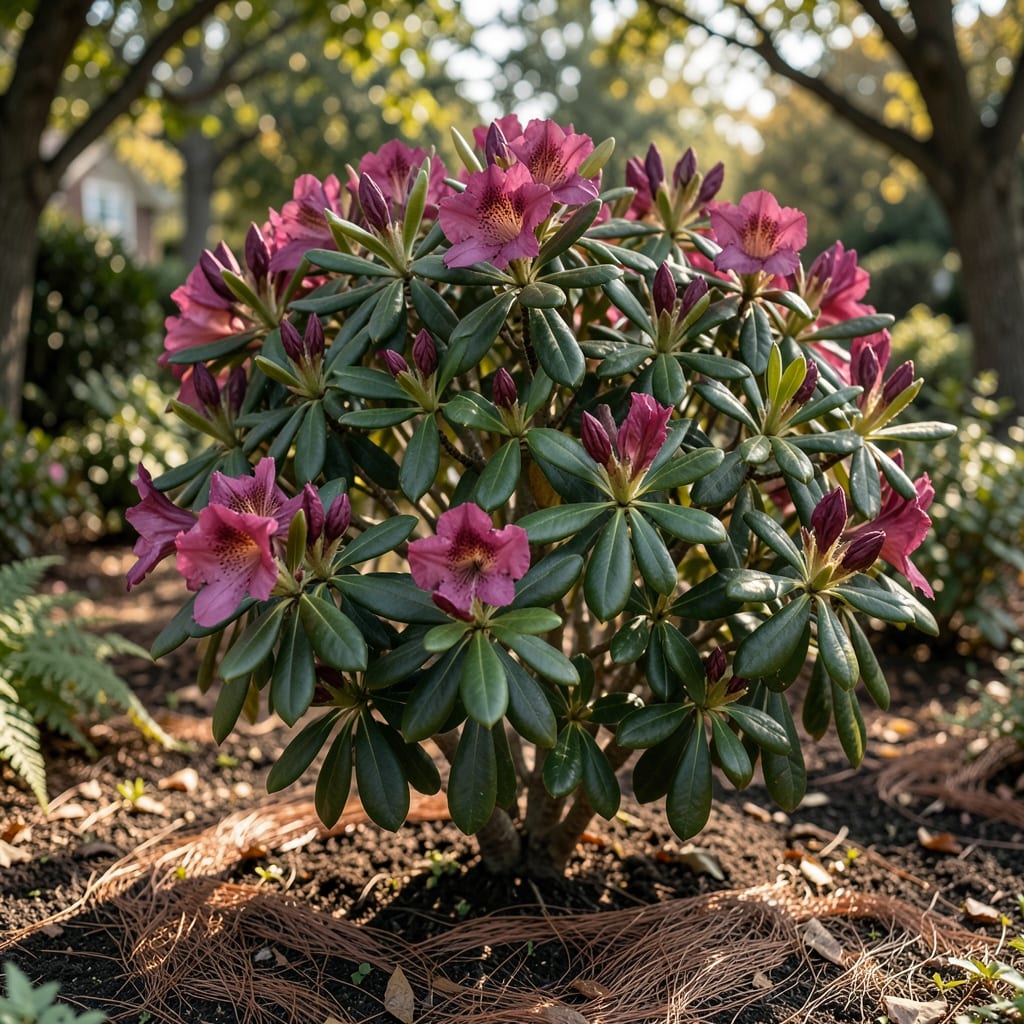
Azalea height by variety: from dwarf to giant species
Azaleas come in an incredible range of sizes, from compact dwarf varieties that fit perfectly in window boxes to towering shrubs that create dramatic focal points in your landscape. The key to choosing the right azalea lies in understanding these height differences, which are primarily determined by the specific cultivar and growth habits of the plant.
Most azaleas fall into three broad height categories: dwarf (1-3 ft), semi-dwarf (3-6 ft), and standard (6-12 ft). However, some rare varieties can even reach 15 feet under ideal conditions. Let's explore the most popular varieties and their mature heights to help you make an informed decision for your garden.
🌱 Visual Comparison Table
| Variety | Type | Mature Height (ft) | Growth Habit | Best For |
|---|---|---|---|---|
| Rhododendron 'Dwarf White' | Evergreen | 1-2 ft | Compact, rounded | Containers, borders |
| Rhododendron 'Girard's Pink' | Evergreen | 3-4 ft | Bushy, upright | Foundation planting |
| Rhododendron 'Bow Bells' | Evergreen | 12-15 ft | Tall, pyramidal | Large landscapes |
| Rhododendron 'Enkianthus' | Deciduous | 6-10 ft | Spreading, arching | Woodland gardens |
| Rhododendron 'Southern Indica' | Evergreen | 4-6 ft | Bushy, multi-stemmed | Hedges, mass planting |
The Rhododendron 'Dwarf White' is a fantastic choice if you're working with limited space, as it stays under 2 feet tall while still producing stunning white blooms. On the other end of the spectrum, the Rhododendron 'Bow Bells' can grow taller than most people, making it perfect for creating a natural privacy screen or dramatic backdrop in your garden.
Deciduous azaleas like Enkianthus often have different growth habits compared to their evergreen cousins. They typically grow taller but may have a more spreading or arching form, which can create beautiful layers in your landscape design. These varieties also tend to have later blooming seasons, often in late spring or early summer.
When selecting azaleas, consider not just their mature height but also their spread. Some varieties like 'Southern Indica' grow wider than they do tall, making them ideal for creating living hedges or mass plantings. Others, like 'Bow Bells', have a more vertical growth pattern, perfect for creating vertical interest in your garden.
It's important to note that azalea heights can vary based on growing conditions. Plants grown in partial shade with acidic, well-draining soil and regular fertilization will generally reach their maximum potential height. Conversely, azaleas grown in full sun or poor soil conditions may stay smaller or grow more slowly.
For gardeners in USDA Zones 6-9, most azalea varieties will thrive, but some cold-hardy varieties like 'Girard's Pink' can tolerate temperatures down to -15°F. If you live in a warmer climate, consider heat-tolerant varieties like 'Southern Indica', which can handle temperatures up to 95°F with proper care.
Understanding these height variations allows you to plan your garden layout more effectively. For example
Azalea height by variety: from dwarf to giant species
Azaleas offer a stunning range of heights, from compact 1-foot wonders to towering 12-foot giants. The key to choosing the right variety lies in understanding how species and cultivars influence mature size. For example, the Rhododendron 'Dwarf White' stays under 2 feet, perfect for window boxes, while Rhododendron 'Bow Bells' reaches 12-15 feet, ideal for privacy screens. These differences aren't just about aesthetics—they impact your garden's layout, sunlight access, and maintenance needs.
Most azaleas fall into three broad height categories: dwarf (1-3 ft), semi-dwarf (3-6 ft), and standard (6-12 ft). Dwarf varieties thrive in containers or small gardens, while standard types anchor larger landscapes. Even within these categories, growth habits vary—some stay bushy and rounded, while others grow taller with vertical stems. This diversity means you can create layered garden designs with azaleas as both focal points and understory plants.
🌸
Evergreen azaleas typically grow taller than their deciduous counterparts, which often stay shorter and more compact in structure. For instance, the deciduous Enkianthus varieties rarely exceed 8 feet, while evergreen Rhododendron species can reach 12 feet or more. This difference matters when planning year-round interest—evergreens provide winter color, while deciduous types offer vibrant fall foliage before dropping leaves.
One common misconception is that all azaleas grow into large shrubs. In reality, many dwarf cultivars are bred specifically for small-space gardening. For example, the 'P.J.M.' azalea stays under 3 feet but produces abundant spring blooms. Always check the cultivar name—some labeled as "dwarf" may still reach 4-5 feet with proper care. When in doubt, ask your local nursery for mature height guarantees before purchasing.
Understanding azalea height also helps with garden spacing. Standard varieties need at least 6-8 feet of clearance on all sides to avoid overcrowding, while dwarf types can be planted just 2-3 feet apart. Proper spacing ensures good airflow, reducing risks of fungal diseases like powdery mildew. For container gardening, choose varieties that won't outgrow their pots—most dwarf azaleas thrive in 15-gallon containers for 3-5 years before needing upgrades.
🌿