
Size
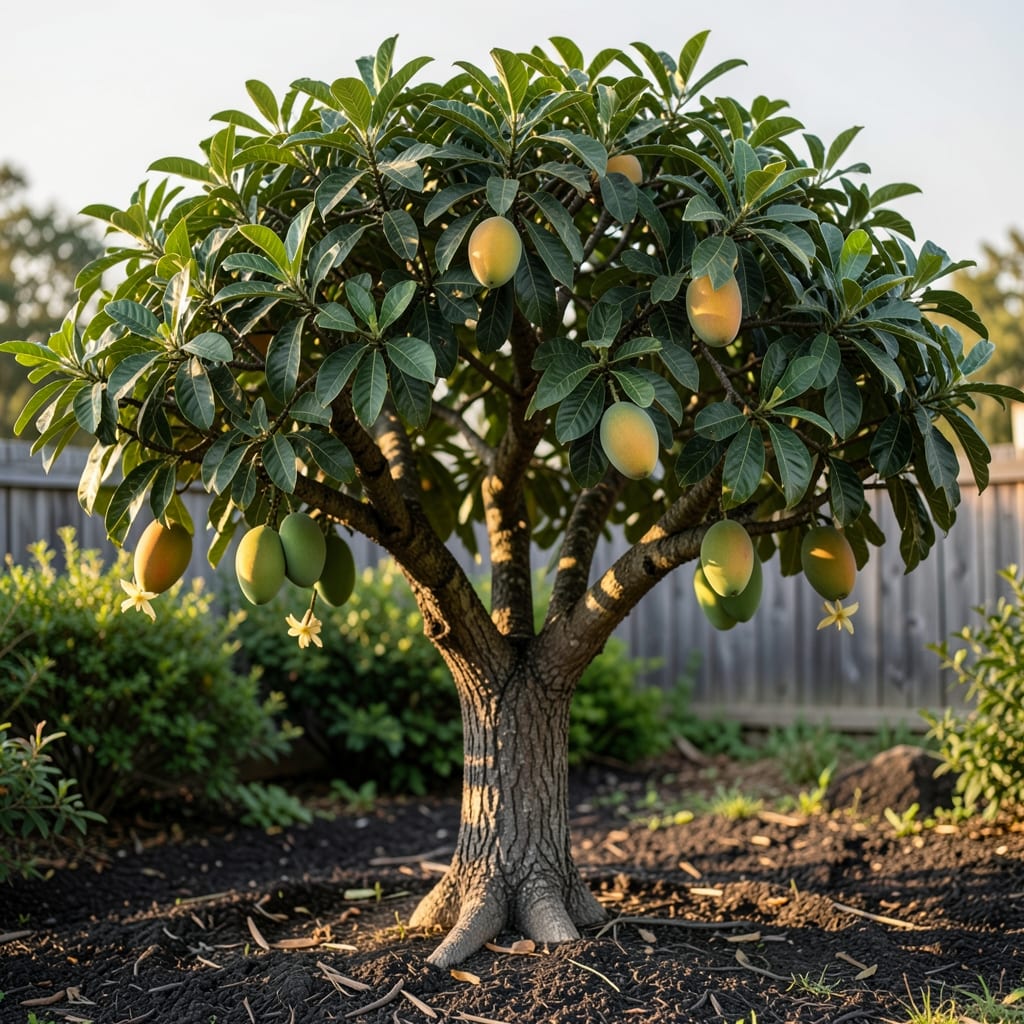
If you’re wondering how tall can mango trees grow, the answer might surprise you—some varieties stretch toward the sky like skyscrapers, while others stay compact enough for even small backyards. Picture this: a 🥭 mango tree in your tropical or subtropical garden that could one day dwarf your house, or a carefully pruned dwarf variety that fits neatly into a container. The truth is, mango tree height isn’t one-size-fits-all.
Whether you’re dreaming of a 100-foot tropical giant or a manageable 10-foot patio tree, the variety you choose—and how you care for it—plays a huge role. Some mango trees mature into towering giants, while others stay small with the right conditions. Let’s break down exactly what to expect and how to control their growth.
From the lush USDA Zones 10-11 where mangoes thrive year-round to container gardening in urban spaces, we’ll cover the factors that shape their height. You’ll discover which varieties stay small, how pruning works, and why soil, sunlight, and even your local climate matter. Ready to turn your mango-growing goals into reality?
By the end, you’ll know not just how tall mango trees can grow, but how to shape them to fit your space—whether that’s a sprawling orchard or a cozy balcony. Let’s get started!


Mango tree height by variety: exact growth ranges for popular types
Mango trees are tropical giants, but their mature height varies dramatically depending on the variety. Some can reach 100 feet in ideal conditions, while others stay compact enough for urban backyards. Understanding these differences helps you choose the right tree for your space and climate.
In tropical climates like Florida or Hawaii, mango trees grow unrestricted, often reaching their full potential. However, in cooler microclimates or containers, growth slows significantly. Always check a variety’s USDA Zone compatibility before planting.
Here’s a breakdown of 10+ popular varieties and their typical mature heights, including dwarf options perfect for small spaces:
| Variety | Mature Height (ft) | Growth Rate | Ideal Climate | Notes |
|---|---|---|---|---|
| ‘Alphonso’ | 60–80 ft | Fast | Tropical | Classic Indian variety; needs warm winters |
| ‘Keitt’ | 50–70 ft | Moderate | Subtropical | Fiberless fruit; tolerates brief cold snaps |
| ‘Kent’ | 40–60 ft | Moderate | Tropical/Subtropical | Disease-resistant; great for containers |
| ‘Cogshall’ | 30–50 ft | Slow to Moderate | Subtropical | Cold-hardy; popular in Florida |
| ‘Julie’ (Dwarf) | 10–15 ft | Slow | Tropical/Container | Perfect for patios; grafted for compact growth |
| ‘Haden’ | 50–70 ft | Fast | Tropical | Sweet, red-skinned; needs heat |
| ‘Irwin’ | 40–60 ft | Moderate | Subtropical | Early producer; tolerates light frost |
| ‘Nam Dok Mai’ | 70–90 ft | Fast | Tropical | Thai favorite; needs warm year-round |
| ‘Sensation’ | 30–40 ft |
Key factors that control mango tree height (and how to manage them)Understanding how tall can mango trees grow starts with recognizing the factors that influence their height. While some varieties naturally stay small, others can reach staggering heights—up to 100 feet—if given the right conditions. The good news? You can actively manage these factors to shape your mango tree’s growth, whether you want a towering tropical centerpiece or a compact container-friendly tree. One of the biggest influences is the rootstock or grafted variety. Dwarfing rootstocks, like those used for ‘Cogshall’ or ‘Dwarf Indian’ varieties, can keep trees under 15 feet, while standard rootstocks allow them to grow much taller. Even if you plant a dwarf variety, poor soil or lack of pruning can still lead to unexpected height growth.
Factors That Increase Height
Factors That Limit Height
Another critical factor is pruning. Without regular pruning, mango trees can become unruly, with dense canopies and vertical growth that’s hard to manage. Pruning isn’t just about cutting branches—it’s about encouraging outward growth while controlling height. For example, if you want a tree under 15 feet, you’ll need to prune aggressively in the first few years to shape its structure. Your local climate also plays a huge role. Mango trees thrive in USDA Zones 10-11, where they grow rapidly year-round. In cooler zones (like 9 or below), growth slows significantly, often resulting in shorter trees. If you’re in a marginal zone, consider container growing or a greenhouse to extend the growing season and manage height more effectively. Finally, soil conditions and nutrient availability impact how tall your mango tree grows. Well-draining, fertile soil with plenty of organic matter encourages healthy, balanced growth. Poor soil can lead to stunted trees or excessive vertical growth as the tree struggles to reach sunlight. Always amend your soil with compost or a balanced fertilizer to support optimal growth patterns. By understanding these factors, you can take control of your mango tree’s height—whether you’re aiming for a backyard giant or a container-friendly dwarf. The key is consistency in care: prune regularly, choose the right variety for your space, and provide the ideal growing conditions. With the right approach, you’ll have a mango tree that fits your vision—no matter how tall (or short) you want it to be! 🌳 |