
Succulent
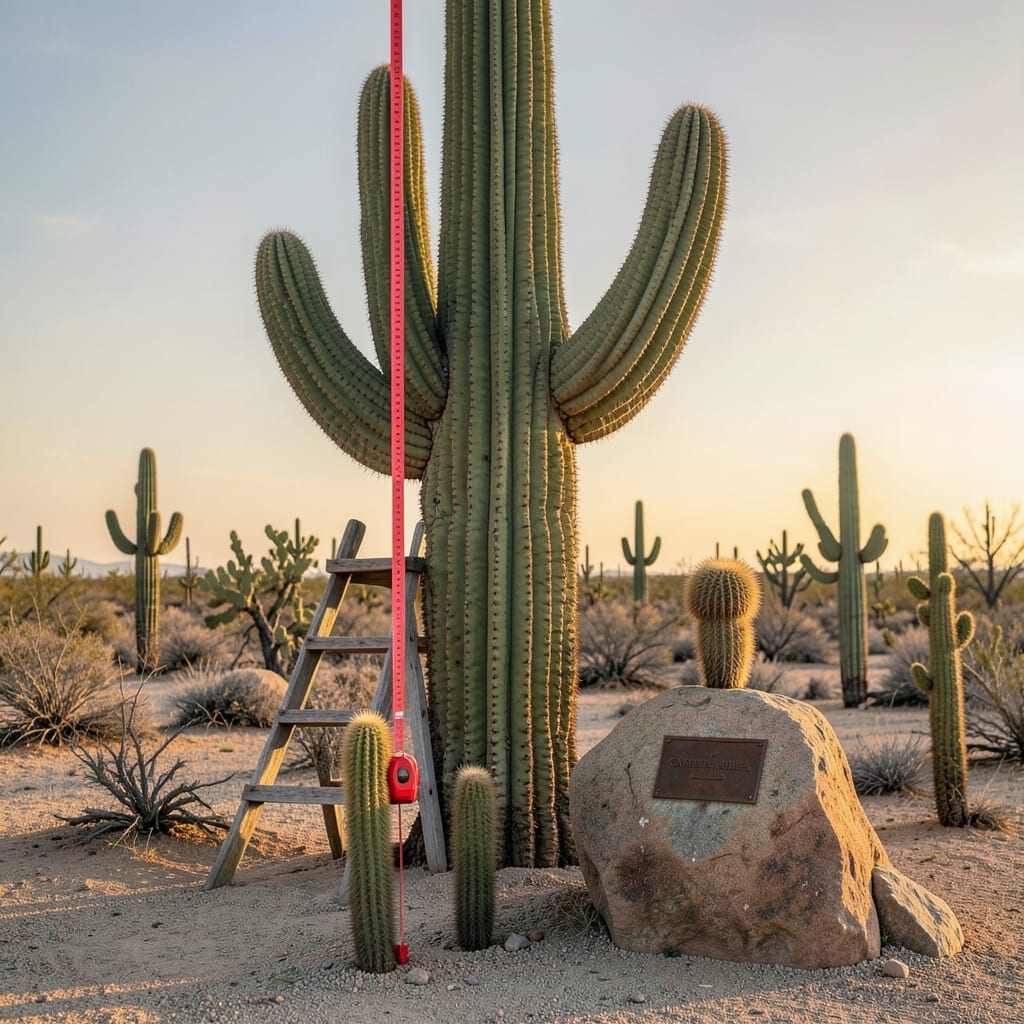
Ever wondered if your 🌵 cactus will stay small enough for a windowsill or grow tall enough to need a ladder? The answer depends entirely on the species—some remain tiny for years, while others shoot up like skyscrapers with the right conditions.
From the 1-inch Mammillaria that fits in your palm to the 50-foot Saguaro that dominates desert landscapes, cactus heights vary wildly. Whether you're dreaming of a towering centerpiece or a low-maintenance desk plant, understanding these differences is the key to choosing—and caring for—the perfect variety.
Light, soil, and even your watering habits play a huge role in how tall your cactus grows. With the right approach, you can guide its growth—or keep it compact. Let’s break down the species, factors, and tips to get the height you want.
Ready to discover which cacti will thrive in your space? You’ll learn how to spot fast growers, slow giants, and everything in between—plus how to manage their growth like a pro.

Cactus height by species: small to giant varieties explained
Choosing a cactus isn’t just about its striking spines or vibrant colors—it’s also about space planning. Some varieties stay compact enough for a windowsill, while others become architectural features in your landscape. The mature height of a cactus can vary wildly, from a few inches to over 50 feet, depending on the species. Let’s explore the spectrum so you can pick the perfect fit for your home or garden.
For desk-friendly cacti, look no further than the Mammillaria family. These tiny powerhouses rarely exceed 6 inches in height, making them ideal for office spaces or shelf gardens. Their slow growth means they’ll stay manageable for years. On the opposite end, the Saguaro cactus (Carnegiea gigantea) can reach 50 feet or taller, a true desert icon that requires a wide-open space to thrive.
Here’s a quick snapshot of how cactus heights compare across popular varieties:
| Variety | Mature Height | Growth Rate | Ideal For |
|---|---|---|---|
| Mammillaria | 1–6 inches | Slow | Desks, shelves |
| Echeveria | 3–12 inches | Moderate | Containers, fairy gardens |
| Barrel Cactus (Ferocactus) | 3–6 feet | Slow to moderate | Rock gardens, borders |
| Prickly Pear (Opuntia) | 3–10 feet | Moderate | Fences, ground cover |
| Saguaro (Carnegiea) | Up to 50+ feet | Very slow | Desert landscapes |
| Pereskia | 10–30 feet | Fast | Trellises, large containers |
The Pereskia cactus is a fascinating outlier—it grows like a woody shrub rather than a typical cactus, reaching 10–30 feet in ideal conditions. Its fast growth rate and leafy appearance make it a unique choice for vertical gardening projects. Meanwhile, the Organ Pipe Cactus (Lemaireocereus) can grow up to 20 feet tall but spreads slowly, making it a low-maintenance option for xeriscaping.
If you’re growing cacti in containers, their height will naturally be limited by pot size. A barrel cactus in a 6-inch pot might stay under 2 feet, while the same species in the ground could reach 6 feet. Always choose a container with drainage holes and a depth that matches your cactus’s root system to avoid stunted growth.
For indoor growers, the Christmas Cactus (Schlumbergera) is a popular choice, though it’s not a true desert cactus. It typically grows 1–2 feet tall and thrives in bright, indirect light. Its seasonal blooms add a splash of color to winter spaces, making it a favorite for holiday decor.
When selecting a cactus, consider not just its current size but also its growth potential. A 3-inch cactus today could become a 3-foot plant in a decade. Always research the species’ mature dimensions and care requirements to ensure it fits your space and lifestyle.
Pro tip: If you love a cactus’s look but worry about its size, opt for a grafted variety. Grafting keeps the top growth compact while allowing the roots to thrive. Many collectors’ cacti use this technique to maintain manageable sizes.
🌵
Factors that influence cactus growth height (and how to control it)
When it comes to cactus growth, sunlight exposure is the single most critical factor. Most cacti thrive in 6+ hours of direct sunlight daily, but some species—like the Pereskia—can tolerate partial shade. Too little light slows growth, while excessive heat without shade can scorch delicate varieties like the Mammillaria. If you're growing cacti indoors, place them near south-facing windows or supplement with grow lights.
Soil composition plays a surprising role too. Well-draining, mineral-rich soil (like a mix of pumice, perlite, and cactus soil) encourages vertical growth, while heavy or clay soils stunt development. I once had a Barrel Cactus that barely grew for years—until I repotted it into a faster-draining mix. The difference was night and day!
Watering habits directly impact height. Overwatering causes root rot and weak stems, while underwatering stresses the plant. Aim for deep soaks every 2-4 weeks during the growing season, then reduce to monthly or less in winter. Pro tip: Use a terracotta pot—it dries out faster than plastic, helping prevent overwatering.
Cacti store water in their thick stems, so they’re adapted to drought. Too much water causes:
- 🌱 Root rot (soft, mushy stems)
- 🌱 Fungal infections (black spots, mold)
- 🌱 Stunted growth (energy spent on survival, not height)
Container size also affects height. Cacti grow taller when root-bound, but too small a pot restricts growth. For dwarf species (like Mammillaria), a 4-inch pot suffices, while tall varieties (like Saguaro) need 12+ inches of depth. I repot my Prickly Pear every 2-3 years to give its roots room to stretch downward, which encourages upward growth.
Pruning and training can control height too. If your cactus gets too leggy, cut the top 1/3 off and propagate it—this triggers bushier growth. For vertical varieties, use a trellis or bamboo stake to guide stems upward. I’ve seen Rhipsalis cacti trained into spiral patterns—it’s like giving your plant a personality!
Finally, climate and temperature matter. Most cacti love warm, dry conditions (USDA Zones 9-11), but some, like the Christmas Cactus, prefer cooler indoor temps. If you live in a cold climate, grow cacti in containers and bring them inside before frost. My Echinopsis thrives outdoors in summer but retreats to a sunny windowsill in winter—no height loss, just happy survival!