
Trees
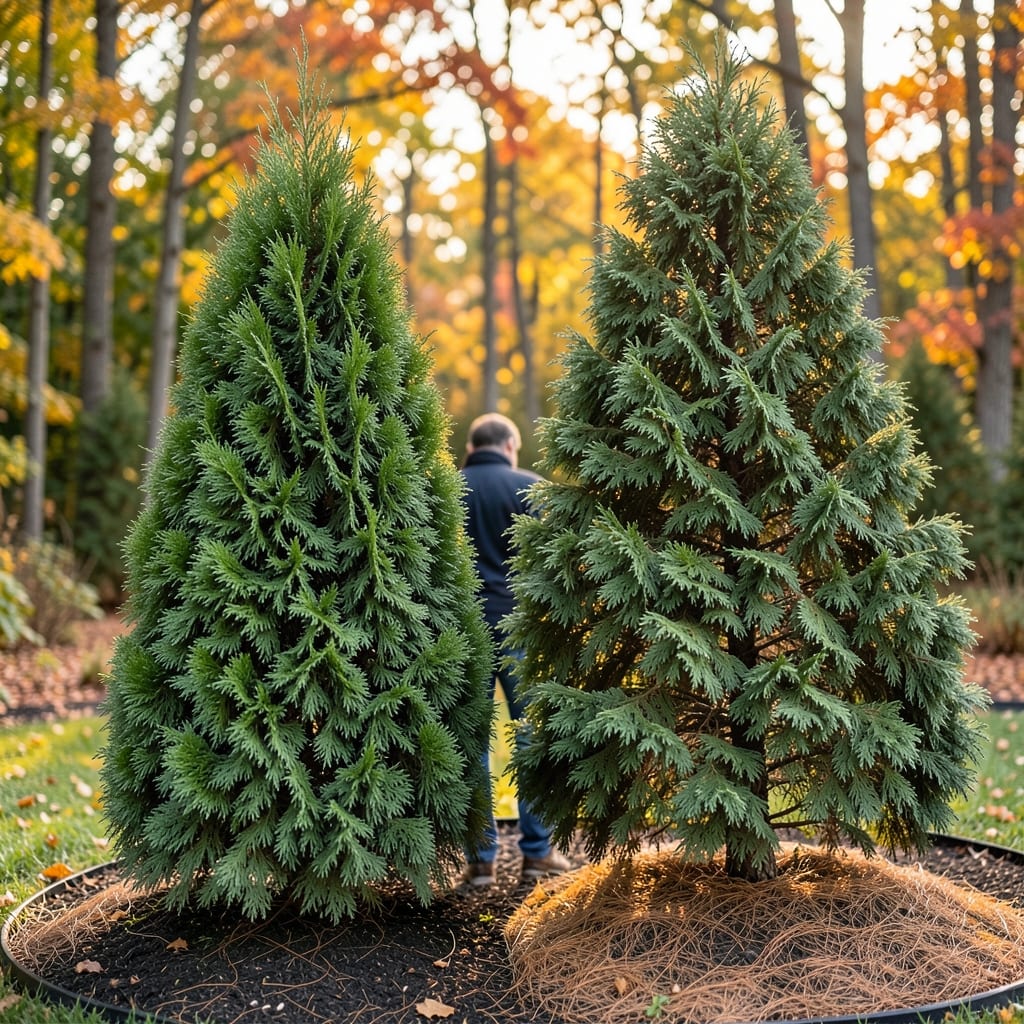
If you're wondering "how tall do arborvitae trees grow", the answer might surprise you—these evergreens can range from 3-foot dwarf varieties to towering 60-foot giants like the Green Giant. That means your choice could determine whether you're planting a low hedge or a future backyard landmark 🌲.
But here's the catch: arborvitae growth isn't just about height—it's about matching the right variety to your space and climate. Whether you're working with USDA Zone 6a conditions or planning for decades of growth, understanding these differences is key to avoiding common mistakes like overcrowding or excessive pruning.
In this guide, we'll break down the height ranges of popular arborvitae types, from compact Emerald Green shrubs to fast-growing American Arborvitae trees. You'll also discover practical tips for managing growth naturally—so you can enjoy your evergreen investment without the headache of constant maintenance.
Ready to make the perfect choice for your landscape? Let's explore how to select, plant, and care for arborvitae that will thrive for years to come—without taking over your yard.


Arborvitae height ranges by variety: from dwarf to giant
Choosing an arborvitae isn't just about the lush green foliage—it's about understanding how tall each variety grows at maturity. Some stay compact enough for container gardens, while others reach heights that dwarf a two-story house. Let me break down the mature height ranges so you can pick the perfect fit for your space.
Arborvitae varieties fall into four main categories: dwarf (3-8 ft), compact (8-15 ft), medium (15-30 ft), and tall (30-60 ft). The right choice depends on your yard size, privacy needs, and long-term maintenance goals. For example, a Green Giant can grow 40-60 feet tall, while a Dwarf Emerald stays under 3 feet.
Here's a quick comparison of popular varieties to help you visualize their mature sizes and ideal spacing:
| Variety | Mature Height | Width | Spacing (ft) | Growth Rate | Best For |
|---|---|---|---|---|---|
| Dwarf Emerald | 3-4 ft | 2-3 ft | 2-3 ft | Slow | Containers, borders |
| Compacta | 8-10 ft | 3-5 ft | 4-6 ft | Moderate | Small yards, hedges |
| Emerald Green | 12-15 ft | 4-6 ft | 5-7 ft | Moderate | Privacy screens |
| Green Giant | 40-60 ft | 12-20 ft | 15-20 ft | Fast | Large properties |
| American Arborvitae | 30-40 ft | 10-15 ft | 10-15 ft | Moderate | Wildlife habitat |
| Leap 'n Grow | 15-20 ft | 6-8 ft | 6-8 ft | Fast | Quick privacy |
When planning your landscape, remember that spacing recommendations account for both height and width. Planting a Green Giant too close to your house could mean years of pruning to keep it from shading windows or damaging foundations. Always check the mature width too—some varieties spread nearly as wide as they grow tall!
For urban gardens or small yards, dwarf varieties like <
How to estimate arborvitae growth rate and final height
Predicting how tall your arborvitae will grow isn't just about checking the mature height tag—it's about understanding how climate, soil, and care influence growth rates. Most nurseries list average heights, but real-world growth can vary by ±20% depending on your conditions. For example, a Green Giant might reach 50-60 feet in ideal conditions but stay under 40 feet in cooler climates.
Start by reading the growth tag on your arborvitae, which typically shows the expected height in 10 years. For instance, a 3-foot tag means it’ll grow about 3 feet per year—but this assumes optimal conditions. In USDA Zone 5, growth slows by 20-30% compared to Zone 8. Always adjust your expectations based on your local hardiness zone and microclimate.
Soil quality dramatically affects height. Arborvitae thrive in well-draining, slightly acidic soil (pH 6.0-7.0). Poor drainage or clay-heavy soil can stunt growth by up to 40%, while loamy, compost-amended soil accelerates it. Before planting, test your soil’s drainage and pH—amend with organic matter if needed to hit those growth targets.
Light exposure is another critical factor. Arborvitae need 6+ hours of sunlight daily to reach their full height potential. In partial shade, growth slows by 10-15%, while full sun can accelerate it by up to 20%. If your yard has morning sun and afternoon shade, expect slightly slower growth—plan accordingly when spacing trees.
Finally, don’t forget that pruning habits shape final height. Heavy annual pruning can reduce mature height by 30-50%, while minimal pruning lets trees grow naturally. If you’re aiming for a specific height, factor in your pruning frequency—topping a Green Giant every year could keep it at 30 feet instead of its natural 50-60 feet.
Use these adjustments to refine your arborvitae’s growth trajectory. With the right conditions, even dwarf varieties like Emerald Green will thrive, while tall varieties like Leyland Cypress (a hybrid) can soar to 70 feet—but only if you’re prepared for the space and maintenance they demand. 🌲