
Trees
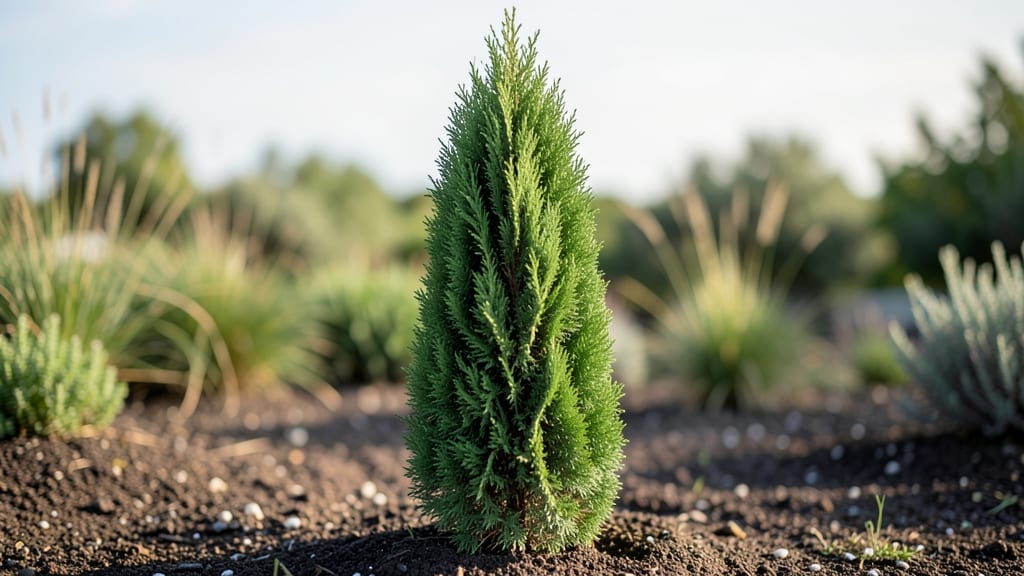
If you're dreaming of the striking vertical lines of Italian cypress but have limited space, the answer to "how tall do dwarf Italian cypress trees grow" will change your landscaping plans forever.
These compact versions stay under 4 feet—perfect for small gardens, containers, or even as striking accents in tight urban spaces.
The Dwarf Italian Cypress 🌲 is a game-changer for gardeners who love the classic look without the towering height. Unlike its full-size relatives that can reach 40 feet, these stay manageable while still delivering that elegant, columnar shape.
Whether you're in USDA Zone 6a or beyond, their slow growth makes them ideal for spring planting.
But here's the best part: maintaining their height is easier than you think. With the right spacing (3-5 feet apart) and occasional pruning, you can keep them at your desired size.
I'll show you exactly how to maximize their compact growth so they stay lush and healthy for years.
Ready to transform your space with these low-maintenance beauties? Let's dive into everything you need to know about their height, care, and how to keep them looking their best—without the hassle of a towering tree.


Dwarf Italian cypress tree height: exact growth ranges by variety
If you're dreaming of those classic Italian cypress silhouettes but need a space-saving option, dwarf varieties deliver the same dramatic vertical lines in a fraction of the footprint.
These compact trees typically mature between 3 to 12 feet, making them perfect for small gardens, containers, or even as striking hedge accents. The key to their charm? Selecting the right cultivar for your space and growth goals.
Not all dwarf Italian cypress trees are created equal. Some varieties stay under 4 feet while others reach nearly 12 feet at maturity. Understanding these differences helps you choose the perfect fit for your landscape design.
Let's explore the most popular dwarf cultivars and their exact growth expectations to help you plan your planting strategy with confidence.
The 'Little Pyramid' cultivar is the ultimate space-saver, perfect for container gardening or urban patios where every inch counts. Its 3-4 foot mature height makes it ideal for placing near entryways or as a centerpiece in small courtyards.
The slow growth rate means you'll enjoy its elegant form for years without worrying about it outgrowing its space.
For a slightly taller option that still fits in most backyard landscapes, the 'Tiny Tower' reaches 4-6 feet and grows at a more moderate pace. This variety works beautifully as a foundation planting or to frame a garden path.
The extra height adds visual interest while maintaining that classic cypress silhouette without overwhelming smaller gardens.
If you're planning a privacy screen or hedge row, the 'Nana' cultivar at 6-8 feet offers the perfect balance between height and manageability. Its moderate growth rate means you'll see noticeable height gains each year without the maintenance demands of faster-growing varieties.
Plant these 4-5 feet apart for a dense, lush barrier that still allows for easy pruning.
For gardeners who want to make a bold statement without sacrificing space efficiency, the 'Glaucus' cultivar reaches 8-12 feet while maintaining that compact growth habit. This variety is perfect for large containers or as a focal point in mixed borders.
Its taller stature makes it ideal for creating vertical interest in landscape designs where you want height without the width of standard cypress trees.
When planning your planting layout, remember that proper spacing is crucial for airflow and preventing disease. Most dwarf varieties benefit from 3-5 feet of space between plants. This spacing allows for natural growth while making future pruning and maintenance much easier.
In container gardening, choose pots that are at least 12-18 inches in diameter to accommodate root growth.
Regional climate can also affect growth rates, with warmer climates often seeing faster growth in the first
Dwarf Italian cypress tree height: exact growth ranges by variety
When choosing a dwarf Italian cypress, knowing the exact mature height helps you plan your landscape perfectly. These compact trees stay between 3 to 8 feet tall, making them ideal for small yards, containers, or even as striking focal points.
Unlike their towering cousins that reach 40 feet, dwarf varieties maintain a neat, manageable size while keeping that iconic vertical elegance.
Popular dwarf cultivars like 'Little Pyramid' and 'Tiny Tower' typically mature between 4 to 6 feet, while others like 'Nana' stay closer to 3 to 5 feet.
These differences matter when deciding where to plant them—near patios, along walkways, or in containers on balconies. Always check the specific variety’s growth habits to avoid surprises.
| Variety | Mature Height | Growth Rate | Spacing Needs |
|---|---|---|---|
| 'Little Pyramid' | 4–6 ft | Slow (6–12 in/year) | 3–4 ft apart |
| 'Tiny Tower' | 5–7 ft | Moderate (12–18 in/year) | 4–5 ft apart |
| 'Nana' | 3–5 ft | Slow (4–8 in/year) | 2–3 ft apart |
Proper spacing between plants is critical to prevent overcrowding, which can stunt growth or encourage disease. For example, 'Tiny Tower' needs 4–5 feet of space to develop its full shape, while 'Nana' can thrive in tighter spaces.
If planting in containers, choose pots at least 18–24 inches wide to accommodate root growth without restricting height.
In USDA Zones 7–10, dwarf Italian cypress trees grow steadily year-round, though their growth may slow in winter. In colder climates (Zone 6), they’ll enter dormancy but bounce back in spring.
Always plant in well-draining soil to avoid root rot, which can slow height development. Amending clay soil with sand or compost ensures healthy roots and consistent growth.
To encourage compact, bushier growth rather than tall and leggy, pinch back new growth in early summer. This technique works especially well for 'Little Pyramid', which naturally grows in a dense pyramid shape.
Regular pruning also helps maintain your desired height and shape, keeping these trees looking their best for years.
If you’re unsure which variety to choose, consider your space and maintenance preferences. For low-maintenance elegance, 'Nana' is a top pick, while 'Tiny Tower' offers a slightly taller option with faster growth. Both will reward you with year-round greenery and minimal fuss.