
Trees
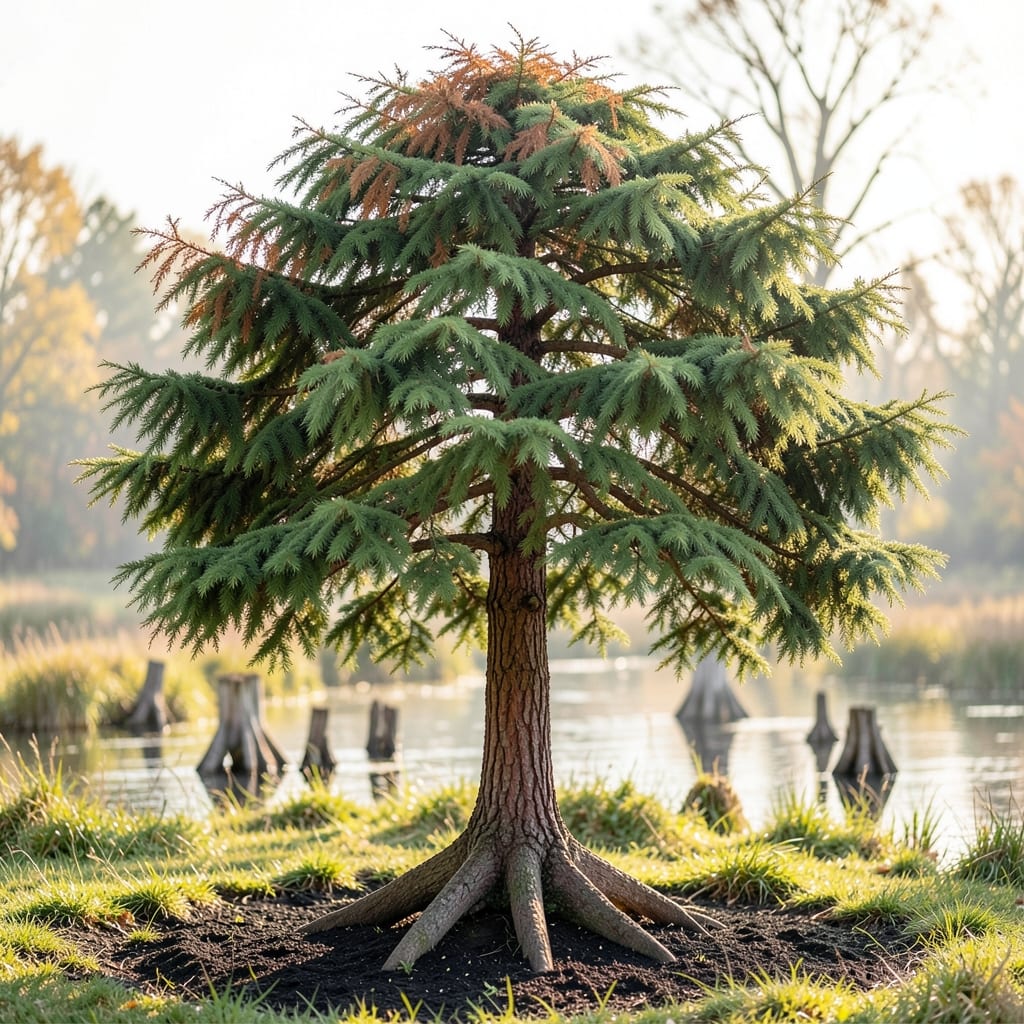
If you're planning to add a Cypress Tree 🌲 to your landscape, you might be wondering just how tall these majestic evergreens can grow—because some varieties shoot up to 70 feet in just two decades! Whether you're dreaming of a towering privacy screen or a dramatic focal point, understanding their growth potential is key to making the right choice for your space.
The answer depends entirely on the species, with fast-growing types like the Leyland Cypress reaching impressive heights, while others stay compact enough for smaller yards. For those in USDA Zone 6a, spring planting (April-May) sets the stage for rapid growth, but proper care—like well-drained soil and full sun—can make all the difference in how quickly they reach their full potential.
What’s most exciting? Some cypress trees grow 3-5 feet per year in ideal conditions, making them one of the fastest-growing trees for privacy hedges or windbreaks. But before you plant, it’s worth knowing which varieties stay manageable and which could outgrow your yard faster than you think.
In this guide, I’ll break down the tallest (and shortest) cypress trees, how to encourage their growth, and whether they’re the right fit for your landscape—whether you’ve got acres or just a small urban plot. Let’s dive in!


Cypress tree height by variety: fastest-growing types that reach 70+ feet
If you’re eyeing cypress trees for your landscape, their mature height can vary dramatically depending on the species. Some varieties like the Leyland Cypress grow 3-5 feet per year and can reach 70 feet in just 20 years—making them perfect for privacy screens or windbreaks. Meanwhile, others like the Bald Cypress grow slower but still tower over most gardens at 50-70 feet in ideal conditions.
The key to understanding cypress growth lies in their species. Fast-growing types like the Leyland Cypress are hybrids designed for rapid height gain, while others like the Monterey Cypress grow more slowly but still reach 30-50 feet. Knowing these differences helps you choose the right tree for your space and goals.
Here’s a quick comparison of the tallest cypress varieties and their growth rates to help you decide:
| Variety | Mature Height | Annual Growth Rate | Ideal Climate |
|---|---|---|---|
| Leyland Cypress (× Cupressocyparis leylandii) | 60-70 ft | 3-5 ft/year | USDA Zones 6-10 |
| Bald Cypress (Taxodium distichum) | 50-70 ft | 2-3 ft/year | USDA Zones 4-10 |
| Monterey Cypress (Cupressus macrocarpa) | 30-50 ft | 1-2 ft/year | USDA Zones 7-10 |
| Italian Cypress (Cupressus sempervirens) | 20-40 ft | 1 ft/year | USDA Zones 7-9 |
The Leyland Cypress is the undisputed champion for height and speed, often used for privacy hedges or windbreaks. It thrives in coastal climates but can also grow well inland with proper care. If you’re in USDA Zone 6a, this variety is an excellent choice for rapid growth, but be prepared for its aggressive spread.
For those with smaller yards, the Monterey Cypress or Italian Cypress offer a more manageable height while still providing that classic cypress silhouette. These varieties grow more slowly, making them ideal for smaller spaces or urban gardens where space is limited.
One thing to watch out for is the invasive potential of fast-growing cypress varieties like the Leyland Cypress. In some regions, it can spread aggressively, so check local regulations before planting. Always plant in well-drained soil and avoid waterlogged areas to prevent root rot, which can stunt growth.
If you’re planting in spring (April-May), you’ll give your cypress tree the best start for rapid growth. With 6+ hours of full sun and consistent moisture, even slower-growing varieties can reach impressive heights over time. Just remember: the taller the tree, the more maintenance it may require for pruning and disease prevention.
For a dramatic focal point or towering privacy screen, the fastest-growing cypress varieties are hard to beat. But if space is limited, consider dwarf or semi-dwarf options that still deliver that classic cypress look without the overwhelming height. Either way, cypress trees add year-round interest to any landscape.
How to maximize cypress tree growth: soil, sun, and spacing secrets
Want your cypress tree to reach its full height potential? The secret lies in soil quality, sunlight exposure, and proper spacing—three factors that directly impact growth speed. Unlike slower-growing trees, cypress varieties like the Leyland Cypress can grow 3-5 feet per year when given ideal conditions. But even the fastest growers need the right foundation to thrive.
Cypress trees prefer well-draining, slightly acidic soil with a pH between 5.5 and 7.0. If your soil is heavy clay or alkaline, amend it with compost or peat moss to improve drainage and acidity. Poor soil conditions can stunt growth, so test your soil before planting. For maximum height, aim for loamy soil that retains moisture without becoming waterlogged—cypress roots hate soggy conditions!
Here’s how to set your cypress tree up for rapid growth with the right care:
Mix compost and sand into native soil for better drainage.
Plant in full sun (6+ hours daily)—shady spots slow growth dramatically.
Water deeply 2-3 times per week in dry spells; reduce once established.
Space trees 10-15 feet apart to prevent root competition and disease.
Prune in late winter to shape and remove dead branches—never prune more than 25% of foliage at once.
One of the biggest mistakes gardeners make is overwatering young cypress trees. While they need consistent moisture, waterlogged roots can lead to root rot and stunted growth. Instead, water deeply but infrequently—aim for 1-2 inches per week during the growing season. Mulching around the base with wood chips helps retain moisture and regulate soil temperature, which encourages faster growth.
For fastest growth, fertilize in early spring with a balanced 10-10-10 fertilizer to provide essential nutrients. Avoid heavy fertilizers in late summer or fall, as this can promote tender new growth that’s vulnerable to frost damage. If you’re planting in USDA Zone 6a, time your fertilization to align with the spring planting window (April-May) for optimal results.
Remember, the taller the tree, the more maintenance it’ll need. Fast-growing varieties like the Leyland Cypress may require annual pruning to control shape and prevent disease. Always use sterilized pruning tools to avoid spreading cypress canker, a fungal disease that can weaken or kill your tree. With the right care, your cypress can reach its full height potential—whether that’s 70 feet of privacy or a compact 20-foot accent!