
How To
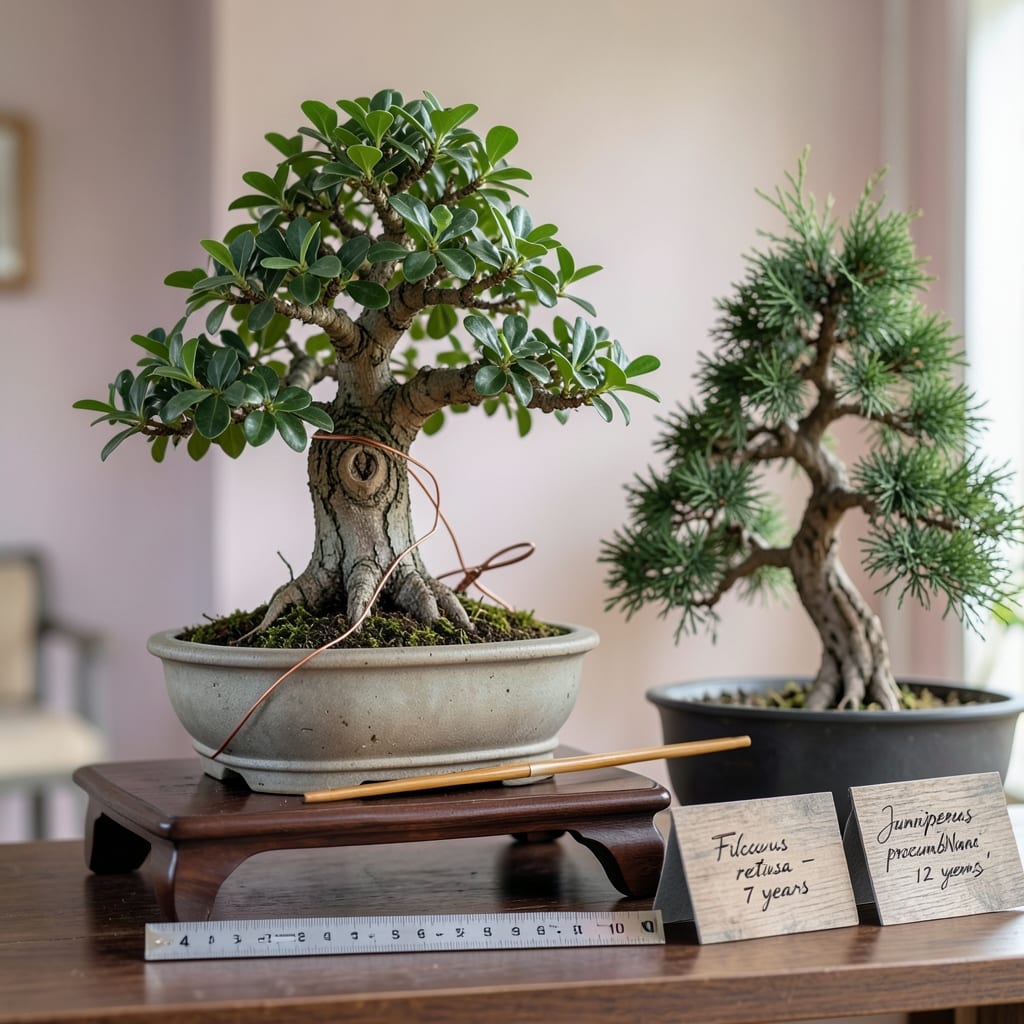
Natural height ranges of popular bonsai tree species
Bonsai trees are famous for their miniature sizes, but their mature heights vary dramatically depending on the species and your pruning efforts. Most bonsai stay between 8 inches and 3 feet tall, but some varieties can grow taller if neglected. Understanding these natural ranges helps you choose the right tree for your space and aesthetic goals.
The smallest bonsai varieties, like the Japanese black pine or dwarf junipers, typically top out at 12-18 inches with careful pruning. These are perfect for windowsills or small shelves. Meanwhile, larger bonsai species, such as ficus or maples, can reach 2-3 feet tall when fully mature, making them ideal for tables or larger displays.
Here’s a quick look at how popular bonsai species compare in height when grown under optimal conditions:
| Species | Mature Height Range | Growth Rate | Ideal For |
|---|---|---|---|
| Japanese Black Pine (Pinus thunbergii) | 8–18 inches | Slow (1–2 inches/year) | Outdoor displays, rugged styles |
| Ficus (Ficus retusa) | 12–24 inches | Moderate (2–4 inches/year) | Indoor/outdoor, beginners |
| Japanese Maple (Acer palmatum) | 10–30 inches | Moderate (3–5 inches/year) | Outdoor, vibrant foliage |
| Juniper (Juniperus procumbens) | 6–15 inches | Slow (1–2 inches/year) | Miniature styles, windowsills |
| Chinese Elm (Ulmus parvifolia) | 18–36 inches | Fast (4–6 inches/year) | Large displays, formal styles |
If you’re working with indoor bonsai species, like ficus or jade, expect slightly faster growth compared to outdoor varieties. For example, a ficus bonsai can grow 2–4 inches per year without intervention, while outdoor junipers might only add 1–2 inches annually. This difference is why indoor bonsai often need more frequent pruning to stay small.
Age also plays a role in height. A 5-year-old bonsai might only be 12–18 inches tall, but a 20-year-old specimen could reach 2–3 feet if not pruned regularly. Patience is key—bonsai growth is deliberate, not rushed. The older the tree, the more time you’ll need to shape it into your desired form.
For miniature bonsai, some growers choose dwarf varieties or graft smaller branches onto larger rootstocks. These techniques can keep your bonsai as short as 6–10 inches even after decades of growth. However, they require advanced skills and consistent care to maintain.
Light exposure affects height too. Bonsai grown in full sun tend to grow taller and bushier, while those in partial shade may stay shorter but with denser foliage. If you’re aiming for a compact bonsai, place it in a spot with morning sun and afternoon shade to slow vertical growth while encouraging lateral branching.
One common misconception is that all bonsai stay tiny naturally. In reality, many species would grow into full-sized trees—some over 50 feet tall—if left unpruned. The "bonsai" style is entirely an art of control through pruning and training, not a genetic trait. This is why species selection matters: a Chinese elm has more growth potential than a dwarf juniper, so it requires stricter pruning discipline.
Start by choosing a species that aligns with your space and lifestyle. For small spaces, junipers or black pines are ideal. For larger displays, ficus or maples offer more flexibility. And remember: the smaller you want your bonsai, the more regular pruning and training it will demand. 🪴
How pruning and training control bonsai tree height
Pruning is the secret weapon for controlling bonsai height. Without it, even the smallest species can grow into unmanageable shrubs. The key is to prune strategically—not just cutting randomly, but shaping growth to encourage lateral branches and compact forms. I’ve found that timing matters most: prune too late, and you risk stunted growth; too early, and you may trigger excessive regrowth.
Start with pinching, the gentlest pruning method. Simply pinch off the tips of new growth with your fingers to encourage branching. This works best on softwood (new growth) in spring and summer. For example, a ficus bonsai can double its branches in a season with consistent pinching. Pair this with structural pruning—removing entire branches to refine the tree’s shape—usually done in late winter or early spring before new growth begins.
Here’s how to prune for height control, step by step:
- 1 Pinch new growth in spring to encourage branching. Focus on the top third of the tree to slow vertical growth.
- 2 Prune back overgrown branches in late winter using clean, sharp bonsai shears. Cut just above a leaf node to promote new growth.
- 3 Wire branches to guide growth direction. Use aluminum or copper wire to gently shape trunks and limbs over 3–6 months.
- 4 Defoliate (remove leaves) in summer to reduce leaf size and encourage denser foliage. Works best on deciduous species like maples.
- 5 Root prune every 2–3 years in early spring to limit top growth. Trim 1/3 of roots and repot to slow height increases.
Wiring is another powerful tool for height control. By gently wrapping branches with wire, you can train them to grow horizontally or at specific angles. For example, a juniper bonsai with upward-growing branches can be wired downward to create a cascading effect. Always remove wires before they cut into the bark—usually within 3–6 months—to avoid scarring.
Seasonal timing is critical. Spring pruning promotes summer growth, while fall/winter pruning shapes the tree for the next season. I’ve learned the hard way that pruning in autumn can leave branches vulnerable to frost damage. For outdoor bonsai, like junipers or pines, prune after the last frost but before new buds swell. Indoor species, such as ficus, can be pruned year-round but thrive best with spring/summer pruning.
Tools make all the difference. Invest in concave bonsai shears for clean cuts, aluminum wiring for shaping, and a fine-tip paintbrush for sealing wounds with tree sealant. Avoid regular pruners—they crush branches instead of making precise cuts. And always sterilize tools with rubbing alcohol to prevent disease spread between cuts.
Patience is non-negotiable. A bonsai’s height isn’t controlled overnight. For instance, a Chinese elm might grow 4–6 inches per year if unchecked, but with consistent pruning, you can keep it at 18 inches for decades. The goal isn’t just small size—it’s harmony between growth and design. Start with small adjustments, observe how your tree responds, and refine your approach over time. 🪴