
Flowers
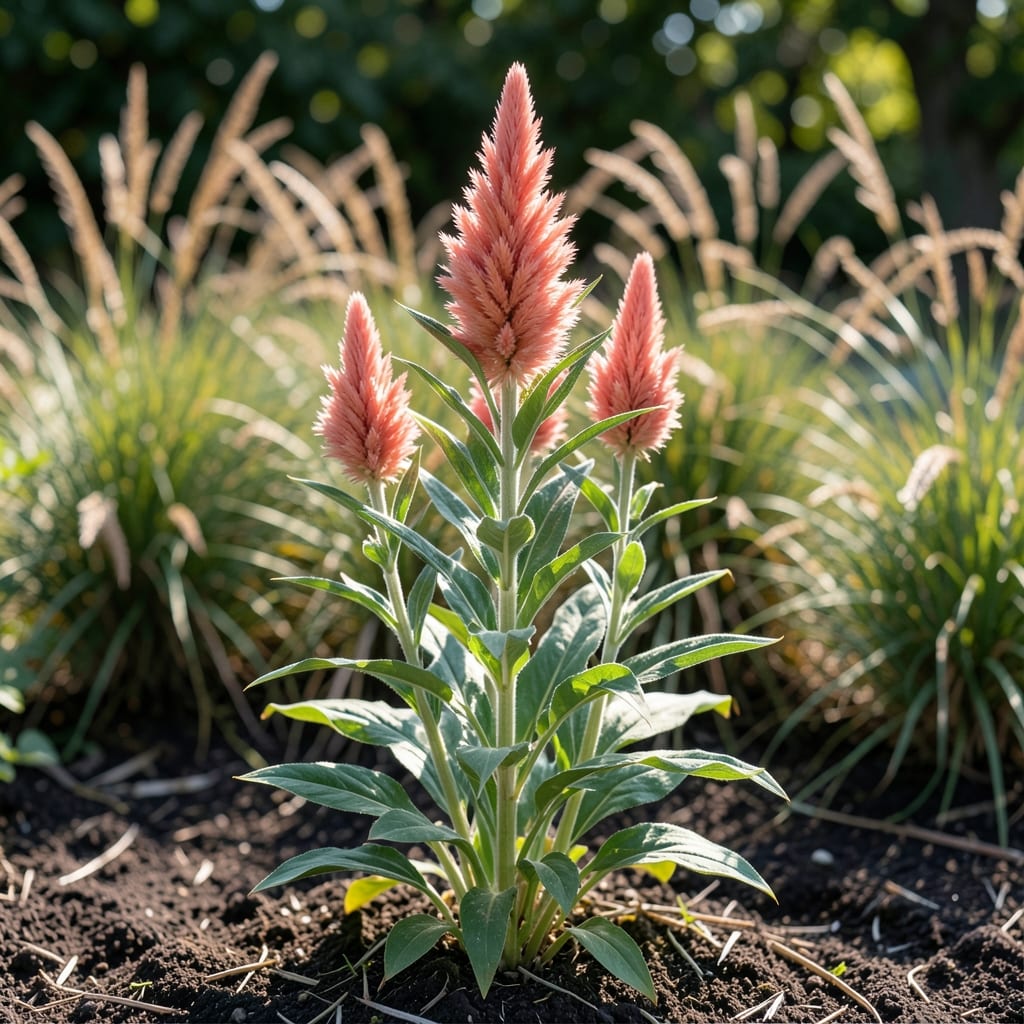
Wondering how tall celosia do they grow and whether it’ll fit perfectly in your garden beds or containers? The answer depends more on the variety you choose than you might think!
Some celosia varieties stay compact—ideal for window boxes or small pots—while others reach towering heights, making them perfect for borders or cut flower arrangements. Whether you’re dreaming of dwarf varieties that barely hit your knees or bold, tall stalks that add drama to your garden, knowing the right type and care tips is key.
Sunlight, soil, and even pruning play a huge role in controlling how tall your celosia grows. I’ll break down the differences between varieties, how to encourage bushier growth, and when to let them stretch their legs—so you can plan your garden layout with confidence.
Ready to discover which celosia fits your space best? Let’s dive into the heights, care secrets, and how to keep your garden looking vibrant all season long.


Celosia height by variety: compact vs tall growing types explained
When you're planning your celosia garden, one of the first questions is: "How tall will they grow?" The answer depends entirely on the variety you choose, as celosia comes in three main types—plumed, crested, and spike—each with distinct height ranges. For example, plumed celosia varieties like 'Nancy' typically reach 18-24 inches, while spike celosia like 'New Look' can stretch up to 36 inches.
If you're working with limited space, dwarf varieties like 'Impala' or 'Chocolate Cherry' stay between 6-12 inches, making them perfect for containers or window boxes. These compact types also work beautifully as border plants or in hanging baskets, where their fiery blooms add a pop of color without overwhelming your design.
For taller varieties, consider crested celosia like 'Kelvin's Wonder,' which often grows 2-3 feet tall and thrives in sunny garden beds. These types are ideal for back-of-border plantings or as cut flowers, since their sturdy stems hold up well in arrangements.
🌸
One key factor influencing height is your growing zone. In warmer climates (zones 9-11), celosia often grows taller and bushier due to longer growing seasons. However, in cooler zones (6-8), you might see slightly shorter growth unless you extend the season with row covers or greenhouses.
If you're growing celosia in containers, choose dwarf varieties to avoid overcrowding. A 5-gallon pot works well for single plants, while larger containers (10+ gallons) can accommodate multiple dwarf varieties for a colorful display. Just ensure the pot has drainage holes to prevent root rot.
For tall varieties, consider staking or using cage supports to prevent flopping, especially in windy conditions. I’ve found that bamboo stakes or tomato cages work perfectly for crested celosia, keeping those showy plumes upright and eye-catching.
Another pro tip: Pinch back young plants when they’re about 6 inches tall to encourage bushier growth and prevent them from becoming too leggy. This works especially well for plumed celosia varieties, which can become top-heavy without proper support.
🌿
When selecting celosia for your garden, think about height in relation to your design goals. For low borders or edging, dwarf varieties are ideal. For backdrop plants or cut flowers, taller types will give you the dramatic impact you’re looking for. And remember, celosia thrives in full sun, so place them where they’ll get at least 6 hours of direct light daily.
How to control celosia height: pruning, spacing, and care tips
If you’ve ever wondered how to keep your celosia plants from growing too tall—or encourage them to reach their full potential—you’re not alone! The key lies in proper pruning, spacing, and soil care. For example, plumed celosia like 'Nancy' can easily stretch beyond 2 feet if left unchecked, while dwarf varieties like 'Impala' need careful spacing to avoid legginess.
One of my favorite tricks is pinching back young plants when they’re about 6 inches tall. This encourages bushier growth and prevents them from becoming top-heavy. For taller varieties, like crested celosia, I recommend staking with bamboo stakes or tomato cages to support their showy plumes and keep them upright, especially in windy conditions.
🌿
- 🌱 Prune regularly: Trim back leggy stems by 1/3 to encourage fuller growth. Use clean, sharp pruning shears to avoid damaging the plant.
- 🪴 Space properly: Dwarf varieties need 6-12 inches apart, while tall types should have 18-24 inches of space to avoid competition for sunlight and nutrients.
- ☀️ Maximize sunlight: Place celosia in full sun (6+ hours) to promote compact, vibrant blooms. Partial shade can lead to taller, weaker stems.
- 💧 Water wisely: Keep soil consistently moist but avoid overwatering, which can cause root rot and stunted growth. Water at the base of the plant in the morning.
- ✂️ Deadhead spent blooms: Removing faded flowers redirects energy to new growth and prevents the plant from bolting (sending up tall, seed-producing stems).
For container gardening, choose dwarf or semi-dwarf varieties to avoid overcrowding. A 5-gallon pot works well for single plants, while larger containers (10+ gallons) can accommodate multiple dwarf varieties. Always use well-draining soil mixed with compost to ensure healthy root development and prevent leggy growth.
If you’re growing celosia for cut flowers, taller varieties like crested celosia are ideal. To encourage longer stems, reduce fertilizer use slightly in the late season. This helps the plant focus on stem elongation rather than leafy growth, giving you sturdier blooms for arrangements.
Another tip: Rotate containers occasionally if growing indoors or in shaded areas to ensure even light exposure. This prevents one-sided growth and keeps your celosia compact and symmetrical. With these care tips, you’ll have perfectly sized celosia that fits your garden vision—whether you want low borders or dramatic backdrops!
🌸