
Flowers
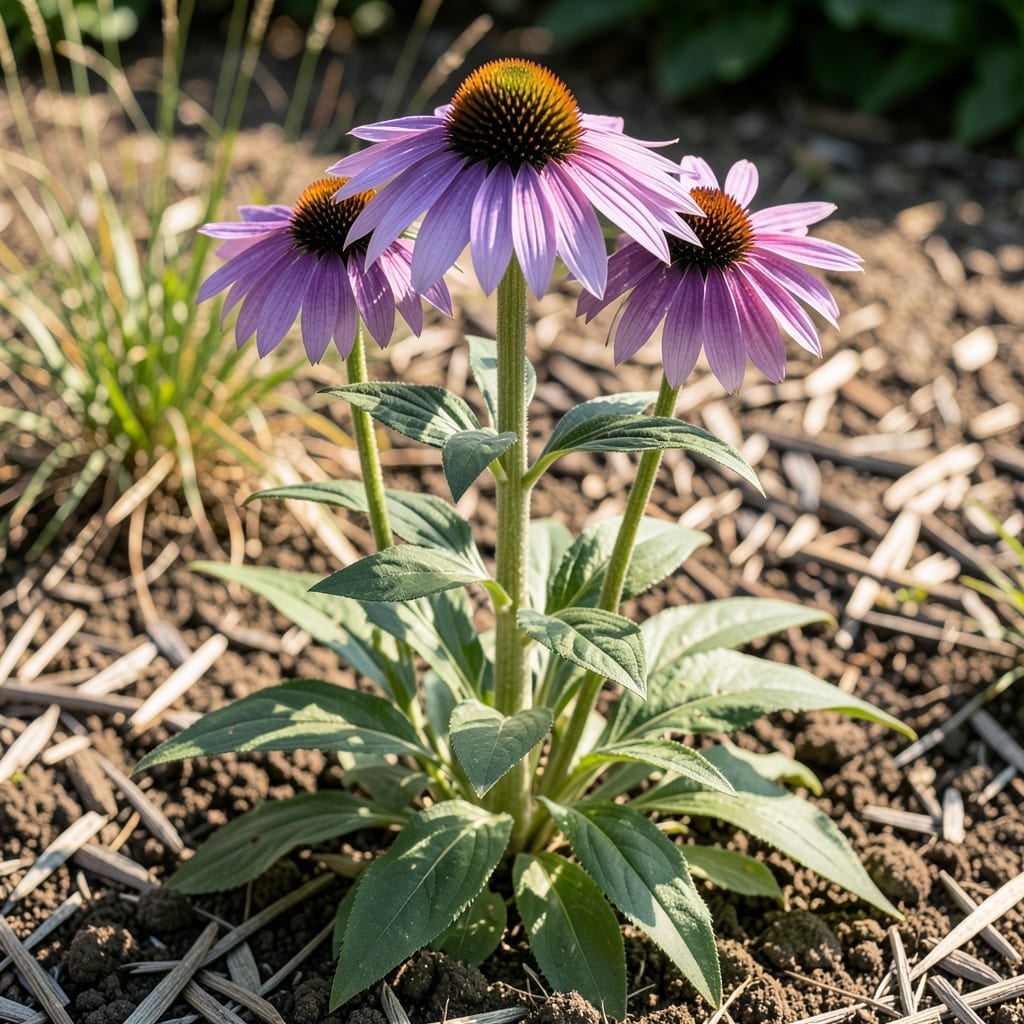
Echinacea variety heights chart: from dwarf to giant bloomers
Choosing the right echinacea variety depends entirely on your garden’s height needs. Some varieties stay under 2 feet, perfect for container gardens or borders, while others reach 5 feet, making bold focal points. The key? Selecting a variety that matches your space and sunlight conditions. Below, I’ve broken down the most popular types—from the dwarf 'Green Envy' to the towering 'Magnus'—so you can plan with confidence.
For small gardens or containers, dwarf echinacea varieties like 'Green Envy' or 'White Swan' top out at 18–24 inches. These are ideal for pollinator-friendly borders or even window boxes. Meanwhile, tall varieties like 'Magnus' or 'Hot Papaya' can soar to 4–5 feet, perfect for back-of-bed plantings or cut flower arrangements. The difference? Genetics and growing conditions—but more on that later!
🌱
| Variety | Mature Height | Spread | Bloom Time | Sunlight Needs |
|---|---|---|---|---|
| 'Green Envy' | 18–24" | 12–18" | Mid-summer | Full sun |
| 'White Swan' | 24–30" | 18–24" | Early summer | Full sun |
| 'Hot Papaya' | 36–48" | 24–30" | Late summer | Full sun |
| 'Magnus' | 48–60" | 24–30" | Mid-to-late summer | Full sun |
| 'Kelpie' | 24–30" | 18–24" | Early summer | Full sun |
Notice how bloom time often aligns with height? Taller varieties like 'Magnus' tend to bloom later in the season, while shorter types like 'Green Envy' offer earlier color. This is useful for staggered blooms in your garden. For example, pair 'White Swan' (early bloomer) with 'Hot Papaya' (late bloomer) to enjoy purple and pink flowers from June through September.
If you’re growing echinacea for cut flowers, prioritize taller varieties like 'Magnus' or 'Hot Papaya'. Their longer stems (often 3–4 feet) hold up well in bouquets. Meanwhile, dwarf varieties are better for container gardens or pollinator-friendly borders, where their compact size prevents them from overwhelming smaller spaces.
One critical factor influencing height is soil quality. Echinacea thrives in well-draining, slightly acidic soil (pH 6.0–7.0). Poor soil can stunt growth, while rich, organic soil encourages taller, bushier plants. Amend your soil with compost before planting to give your echinacea the best start. I’ve found that adding a 1-inch layer of compost at planting time can boost height by 10–15% in the first year!
Another game-changer is sunlight exposure. While all echinacea varieties prefer full sun (6+ hours daily), partial shade can reduce height by up to 30%. For
How to control echinacea height through pruning and care
Pruning is one of the easiest ways to manage echinacea height and keep your plants looking their best. Many gardeners mistakenly avoid pruning, fearing it will harm their plants—but done correctly, it encourages bushier growth and longer blooming seasons. The key is timing: prune at the right moment to avoid cutting off next year’s flower buds, which form on old stems.
For taller varieties like 'Magnus' (4-5 feet), I recommend a two-step approach: first, remove spent blooms throughout the season to encourage reblooming, and second, cut back 1/3 of the stem in early spring to promote compact growth. This keeps the plant from becoming too leggy while still producing abundant flowers.
If you’re growing dwarf varieties like 'Green Envy' (1-2 feet), minimal pruning is needed—just snip off dead or damaged stems and trim back any overcrowded foliage after the first bloom cycle. Over-pruning can stress smaller plants, so always leave at least half the stem intact.
⚠️ Pruning Pitfalls to Avoid
Don’t cut too late: Pruning after mid-September removes next year’s flower buds, leaving you with bare stems. Always prune before new growth starts in spring.
Don’t over-prune: Cutting back more than 1/3 of the plant at once can shock it, especially in hot climates. For tall varieties, spread pruning over 2-3 sessions.
Don’t use dull tools: Ragged cuts invite disease. Use clean, sharp shears and disinfect with rubbing alcohol between cuts.
Seasonal care also plays a role in controlling height. In spring, remove any dead foliage from winter but avoid heavy pruning—let the plant establish itself. In fall, cut back spent stems to about 6 inches above the ground to prevent disease and pests from overwintering in the debris.
For reblooming varieties, deadheading (removing faded blooms) regularly stimulates new flowers, but skip this step if you want to collect seeds or let the plant go dormant naturally. Mulching around the base with organic matter like straw or shredded leaves also helps maintain even growth by keeping roots cool and moist.
Remember, echinacea thrives on neglect—too much fuss can weaken it. Focus on sunlight, well-draining soil, and light pruning, and your plants will reward you with vibrant blooms season after season, no matter their height. 🌼