
How To
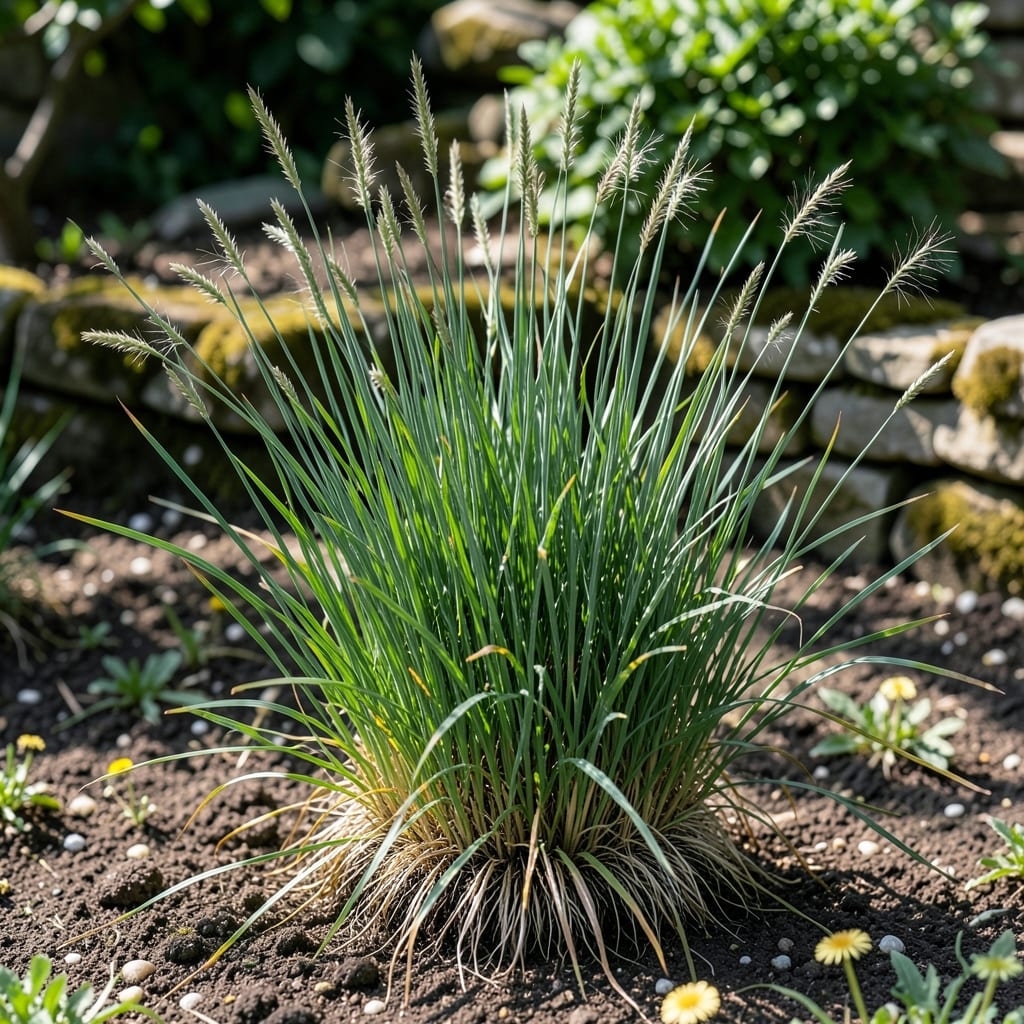
If you’re wondering how fast does tall fescue grow, the answer depends on more than just time—it’s about timing, too. This hardy cool-season grass can surprise you with its rapid early growth when conditions are just right, but patience is key for that lush, durable lawn you’re dreaming of.
In ideal spring or fall conditions, you’ll start seeing noticeable progress in just 2-3 weeks after planting. Tall fescue 🌱 typically germinates within 7-14 days, then shoots up at a steady pace, especially when soil temperatures hover between 60-75°F. But here’s the catch: summer heat can send growth into a temporary pause, while fall often delivers the most dramatic spikes in height.
Whether you’re seeding a new lawn or overseeding an existing one, understanding these seasonal rhythms helps you plan for optimal growth phases. We’ll break down exactly what to expect week by week—plus how to tweak your care routine to keep your tall fescue reaching for the sky, faster and stronger than ever.
Ready to transform your yard? Let’s dive into the science behind tall fescue’s growth spurts and how you can give it the perfect environment to thrive.


Tall fescue growth rates by season: weekly progress explained
Understanding how fast tall fescue grows starts with recognizing its seasonal growth cycles. This cool-season grass hits its stride in spring and fall, when temperatures and moisture align perfectly. During these ideal windows, you can expect visible growth every 7-10 days, with some varieties even doubling in height within a month under optimal conditions.
Spring is the fastest growth phase for tall fescue, especially when soil temperatures reach 60-75°F. New seedlings may sprout within 7-14 days of planting, and established lawns can grow up to 2 inches per month during peak growth periods. Fall offers a second growth surge, often matching spring speeds as days grow shorter but remain warm enough for active growth.
Summer brings a growth slowdown as heat and drought stress take hold. While tall fescue remains dormant in extreme heat, it doesn’t die back—it simply pauses growth until cooler weather returns. This resilience makes it a favorite for Southern climates where other grasses struggle.
Winter growth is minimal, but don’t expect complete dormancy. In mild winters (USDA Zones 6-8), tall fescue may continue growing at a slow, steady pace, especially if temperatures stay above freezing. This trait helps it outcompete weeds even in cooler months.
| Season | Growth Rate | Key Conditions | Establishment Time |
|---|---|---|---|
| Spring | Up to 2" per month | 60-75°F soil, 1" rain/week | 4-6 weeks to full coverage |
| Summer | 0.5-1" per month (dormant if dry) | Above 85°F slows growth | No new growth; maintains coverage |
| Fall | 1.5-2" per month | 50-65°F soil, consistent moisture | 6-8 weeks to full coverage |
| Winter | 0.25-0.5" per month (mild climates) | Above freezing; minimal growth | Maintains coverage; no new establishment |
For the first 30 days after planting, focus on consistent moisture—this is when tall fescue seeds germinate and establish their root systems. Use a light sprinkler to keep the top inch of soil damp, but avoid waterlogging, which can cause seed rot. Once seedlings reach 2-3 inches tall, you can gradually reduce watering to 2-3 times per week.
By 60 days, your tall fescue should be 50-70% established, with dense clumps forming. This is the perfect time to lightly fertilize with a balanced 10-10-10 to encourage deeper root growth. Avoid heavy nitrogen applications early on—too much can promote top growth at the expense of roots, making your lawn vulnerable to drought.
In year one, expect your tall fescue to reach 6-12 inches tall by late fall, with full maturity (12-24 inches) typically achieved by year two or three. The key to faster growth? Mowing at the right height—never cut more than one-third of the blade length at a time. For tall fescue, aim to keep it at 2.5-3.5 inches during growing seasons.
Pro tip: If you’re overseeding an existing lawn, fall is the best time to see rapid integration with your current grass. New seeds will germinate quickly and fill in thin spots before winter sets in, giving you a thicker, greener lawn by spring. 🌱
Factors that accelerate or slow tall fescue growth (and how to optimize them)
When it comes to how fast tall fescue grows, the difference between a lush, vibrant lawn and a stagnant, patchy mess often boils down to just a few key factors. While seasonal changes play a major role, soil conditions, watering habits, and sunlight exposure can either supercharge your tall fescue’s growth or leave it struggling to keep up. Let’s break down the most impactful variables and how to tweak them for faster, healthier results.
One of the biggest growth accelerators is soil pH. Tall fescue thrives in slightly acidic to neutral soil, with an ideal pH range of 6.0-7.0. If your soil tests outside this range, your grass won’t absorb nutrients efficiently, leading to slow, weak growth. A simple soil test (available at garden centers for under $10) can reveal if you need to add lime to raise pH or sulfur to lower it. Once balanced, your tall fescue will grow 20-30% faster during peak seasons.
Watering is another critical factor—too much or too little can stall growth. Newly planted tall fescue needs daily watering to keep the top inch of soil moist, but established lawns only require 1-1.5 inches of water per week. The key is deep, infrequent watering—this encourages deep root growth, making your lawn more drought-resistant. Watering in the early morning also reduces evaporation and fungal risks, giving your grass the best chance to soak up moisture before the heat of the day.
✅ DO:
- Test soil pH annually
- Water deeply 2-3x/week
- Mow at 3 inches in summer
- Fertilize in spring/fall
- Aerate compacted soil yearly
❌ DON’T:
- Overwater (causes rot)
- Mow too short (stresses roots)
- Fertilize in summer (burns grass)
- Ignore weeds (competes for nutrients)
- Skip aeration (compacted soil slows growth)
Sunlight exposure directly impacts growth speed, too. Tall fescue loves full sun (6+ hours daily), but it can tolerate partial shade—though growth will be slower in shady spots. If your lawn has areas with less than 4 hours of sun, consider mixing in shade-tolerant varieties like Fine Fescue to boost density. Even in full sun, thin morning shade can help reduce water loss during hot afternoons, keeping your grass healthier and growing faster.
Fertilizer choice and timing make a surprising difference in growth rates. A balanced 10-10-10 or slow-release formula applied in early spring and fall provides steady nutrients without promoting weak, top-heavy growth. Avoid high-nitrogen fertilizers in summer—they can burn your grass and leave it vulnerable to drought. Instead, focus on root-feeding fertilizers with phosphorus and potassium to strengthen your lawn’s foundation for faster recovery in spring.
One often-overlooked factor is soil aeration. Compacted soil restricts root growth, slowing down your tall fescue’s ability to absorb water and nutrients. If your lawn feels spongy when walked on or water pools after rain, it’s time to aerate in early fall. This simple step can boost growth by up to 40% in the following season by allowing roots to expand freely. Pair aeration with a light top-dressing of compost to further enhance soil structure and fertility.
By focusing on these optimizable factors, you can turn your tall fescue from a slow-growing underachiever into a rapidly expanding lawn star. Start with a soil test, adjust your watering routine, and time your fertilizing for peak seasons—your grass will thank you with faster, thicker growth in no time. 🌱