
How To
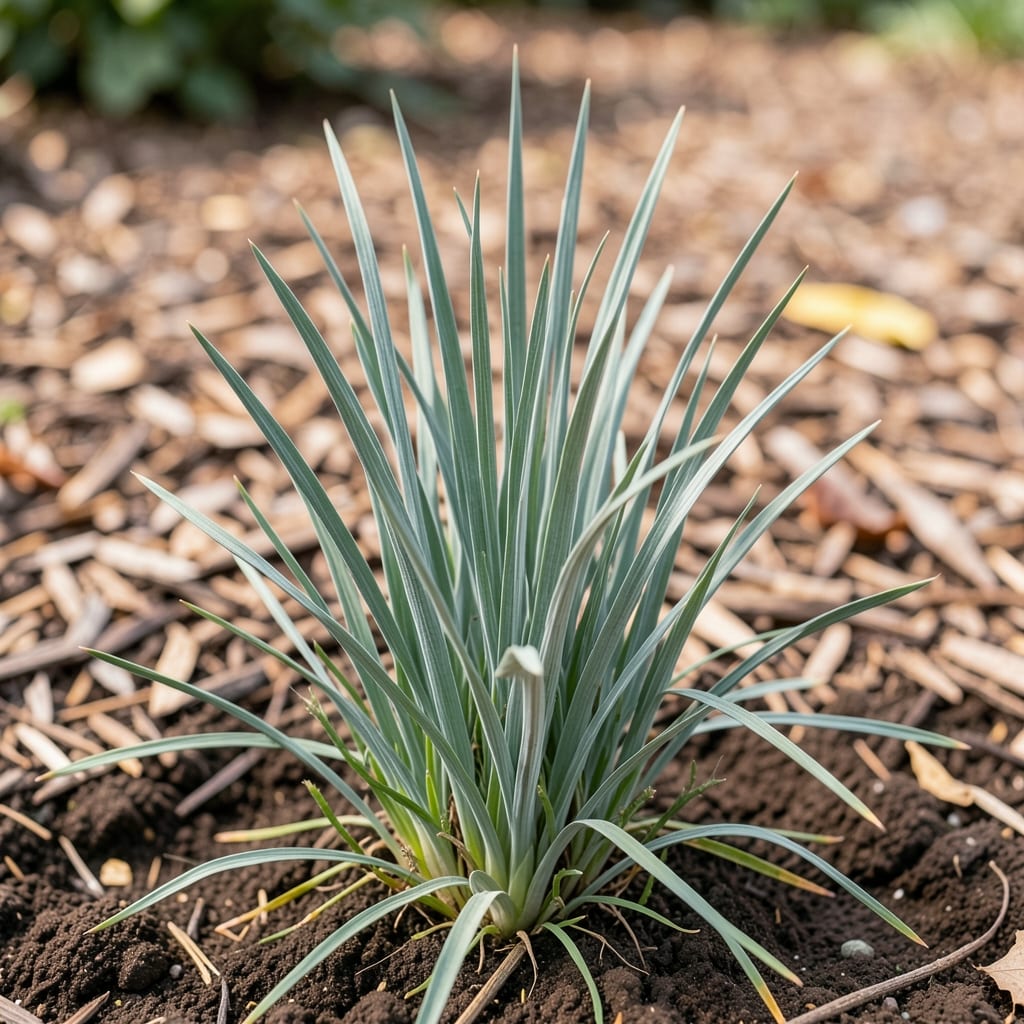
If you’ve ever planted tall fescue and wondered how long it takes to grow, you’re not alone. The truth is, this cool-season grass doesn’t just grow overnight—it follows a predictable timeline that depends on more than just time. Understanding how long it takes to establish can save you from overwatering, over-fertilizing, or giving up too soon.
From the first sprout to full coverage, tall fescue 🌱 typically takes between 4 to 6 weeks just to germinate, with another 6 to 12 months for complete root establishment and thick growth. That’s right—patience is the key here. But don’t worry, there are ways to speed things up without sacrificing quality, especially if you’re planting in the ideal window of late summer to early fall.
What most gardeners don’t realize is that soil temperature, moisture, and even your local climate play a huge role in how quickly your grass fills in. Too much heat or drought can stall progress, while consistent care can make all the difference. I’ll break down exactly what to expect month by month, so you know when to adjust your watering, mowing, and fertilizing for the best results.
Ready to skip the guesswork? Let’s dive into the realistic timeline for tall fescue growth—and how to give your lawn the best shot at thriving faster than ever.


Tall fescue growth timeline: month-by-month development stages
When you plant tall fescue seeds, the first thing you’ll notice is how quickly—or slowly—they sprout. Unlike sod, which gives you instant coverage, seeds follow a predictable growth timeline that’s influenced by your planting time and local climate. For most gardeners, the journey from seed to a lush lawn takes 6 to 12 months, but breaking it down month by month helps you stay on track.
The ideal planting window for tall fescue is late summer to early fall (August–September), when soil temperatures are still warm but not scorching. This timing ensures faster germination and stronger root development before winter. If you plant in spring, expect a slightly slower start due to cooler soil temperatures early in the season.
Here’s what to expect at each stage, whether you’re planting seeds or laying sod. Understanding these phases will help you adjust your watering schedule, fertilization plan, and mowing height for the best results.
| Stage | Timeframe | Key Actions | Notes |
|---|---|---|---|
| Germination | 4–6 weeks | Keep soil moist, avoid heavy foot traffic | Soil temp should be 60–75°F for best results |
| Seedling Establishment | 6–8 weeks | Light fertilization (10-10-10), water deeply 2–3x/week | Grass should reach 2–3 inches tall |
| Root Development | 3–6 months | Increase mowing height to 3–4 inches, fertilize every 6 weeks | Roots deepen for drought resistance |
| Full Coverage | 6–12 months | Maintain regular mowing (3–4 inches), reduce watering gradually | Dense growth indicates mature lawn |
| Sod Alternative | 2–4 weeks | Water daily for 2 weeks, then taper to 2–3x/week | Instant coverage, but roots take 3–6 months to fully establish |
If you planted tall fescue sod instead of seeds, you’ll see immediate results—full coverage in just 2–4 weeks. However, the roots take 3–6 months to fully integrate into the soil, so don’t skip regular watering during this critical phase. Sod is ideal if you need a quick lawn, but seeds offer better long-term resilience.
One common mistake I see is overwatering during germination. While keeping the soil moist is essential, soggy conditions can suffocate seeds and lead to mold. Aim for 1 inch of water per week, delivered either through rainfall or irrigation. A simple trick? Use a rain gauge or tuna can to measure water depth—it’s more accurate than guessing.
By month 3, your tall fescue should be tall enough to mow (around 3–4 inches). This is also when you can start light fertilizing to encourage deeper root growth. If you notice patches of bare soil, it’s a sign to overseed or adjust your watering routine. Patience here pays off—rushing can weaken the grass’s ability to handle drought or foot traffic.
In USDA Zone 6a (where tall fescue thrives), fall planting often leads to faster establishment than spring planting. The cooler temperatures reduce stress on young seedlings, and the grass gets a head start before winter dormancy. If you’re in a warmer climate, spring planting can work, but you’ll need to shade seedlings during peak afternoon heat to prevent wilting.
Remember, full maturity for tall fescue isn’t just about height—it’s about root density and disease resistance. A mature lawn will bounce back from drought, pests, and heavy use far better than a young one. That’s why investing time in proper soil preparation and seasonal care is worth it.
🌱
Tall fescue growth timeline: month-by-month development stages
Understanding the month-by-month growth stages of tall fescue helps set realistic expectations. Whether you planted seeds or sod, the journey from bare soil to a lush lawn follows distinct phases. The first 4 to 6 weeks are all about germination and early root development, while full establishment can take up to 12 months for a dense, resilient lawn.
For most gardeners, the ideal planting window is late summer to early fall (August-September), when soil temperatures are warm but not scorching. This timing gives seedlings a head start before winter dormancy. If you plant in spring, expect slower initial growth due to cooler soil temperatures, which can delay germination by 1 to 2 weeks.
Here’s what to expect at each stage, including how climate and care affect progress:
| Stage | Timeframe | Key Actions | Climate Impact |
|---|---|---|---|
| Germination | 4–6 weeks | Keep soil moist, avoid heavy foot traffic | Slower in cool soil (<60°F); faster in warm soil (65–75°F) |
| Early Establishment | 6–12 weeks | Light fertilization, consistent watering (1" per week) | Drought stress halts growth; full sun accelerates root development |
| Intermediate Growth | 3–6 months | Mow at 3–4", apply balanced fertilizer | Faster in warm seasons; slower in extreme heat/drought |
| Full Maturity | 12+ months | Reduce fertilization, maintain mowing height | Drought-resistant once established; thrives in cool climates |
If you planted tall fescue sod instead of seeds, you’ll skip the germination phase and see visible progress within 2 to 4 weeks. Sod establishes roots quickly but still needs consistent watering for the first 4–6 weeks to ensure full integration with the soil. The trade-off? Sod gives you an instant lawn, but seeds often result in deeper, more resilient roots over time.
One common mistake I see is overwatering during germination. While keeping the soil moist is crucial, soggy conditions can suffocate seeds and invite fungal diseases. Aim for 1/2 inch of water per week during this phase, and always water in the early morning to reduce evaporation and disease risk.
By month 6, your tall fescue should show significant density, especially if planted in ideal conditions. However, full maturity—where the lawn becomes drought-tolerant and resilient—typically takes 12 to 18 months. Patience here is key, but proper care during the first year sets the foundation for a lawn that will thrive for years to come. 🌿