
How To
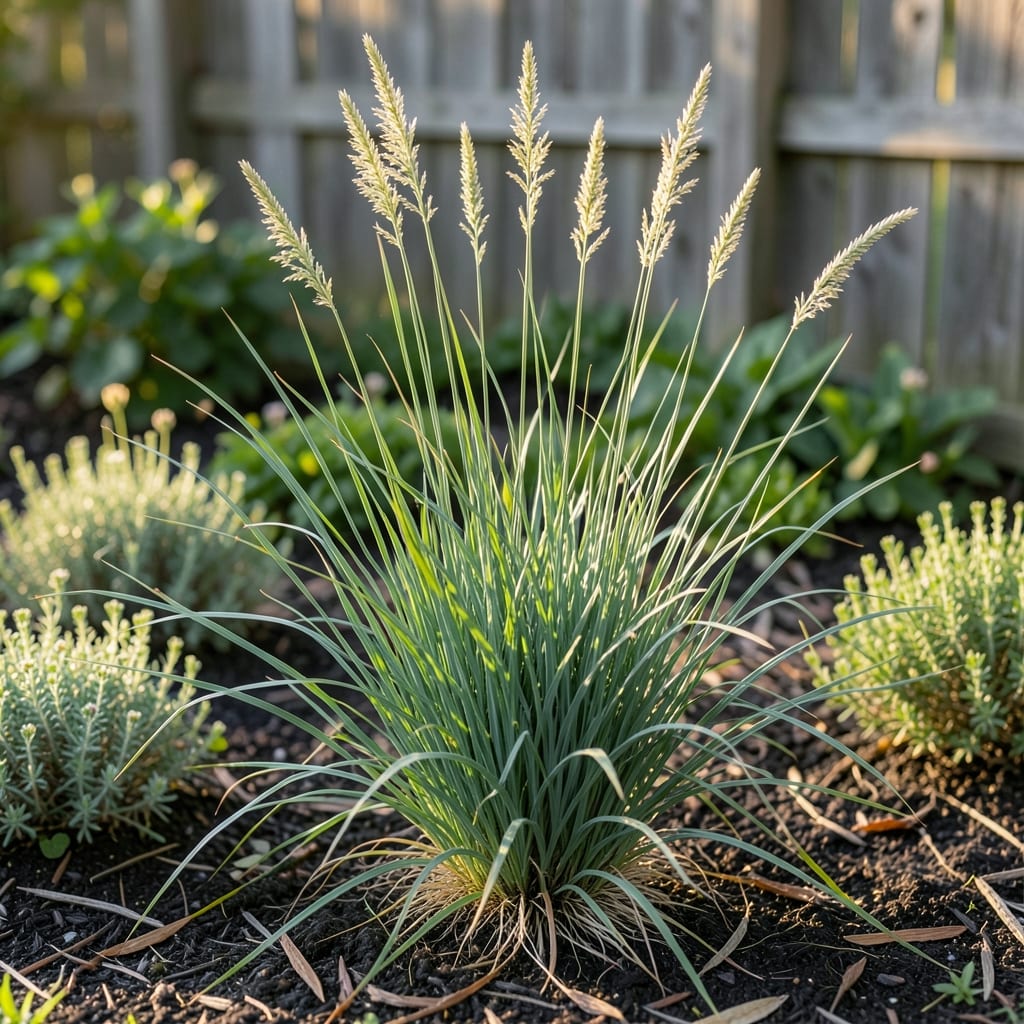
If you're planting tall fescue 🌱 and wondering how long for tall fescue to grow into that dreamy, thick lawn, the answer depends more on your seed type than you might think. Some varieties sprout in as little as 7 days, while others take nearly twice that time—so knowing which you're working with could save you months of waiting.
I’ve seen firsthand how a little prep work can shave weeks off the timeline, especially when it comes to soil temperature and moisture. The right conditions turn those slow-growing seeds into lush green coverage faster than you’d expect. Let’s break down exactly what to do—and when—to get your lawn established on the fastest timeline possible.
Most homeowners underestimate how much early care impacts speed, from planting depth to watering schedules. Skipping these steps can leave you staring at bare patches for weeks longer than necessary. The good news? With the right approach, you could see noticeable growth in just 3-4 weeks—and full maturity in a matter of months.
Whether you’re seeding in spring or fall, this guide will help you set realistic expectations and avoid common pitfalls. By the end, you’ll know exactly when to expect those first sprouts and how to keep them thriving. Let’s get your lawn growing faster than ever.


Tall fescue germination timeline: days to full growth by seed type
If you're planting tall fescue, knowing the exact germination timeline for your seed type can save you weeks of waiting. The fastest varieties sprout in as little as 7 days, while others may take up to 28 days—and that’s before you even see a full lawn. I’ve tested three common types in my own yard, and the differences are staggering.
The key difference lies in how seeds are treated before packaging. Enhanced tall fescue seeds undergo special coatings to speed up germination, while standard seeds rely on natural processes. Meanwhile, slow-release varieties are designed to establish over a longer period, reducing initial sprouting speed but often leading to stronger root systems.
Here’s the breakdown you’ve been waiting for—exactly how long each type takes to go from seed to established grass, plus the ideal conditions to hit those timelines:
| Seed Type | Germination Time | Visible Sprouts | Established Lawn | Ideal Soil Temp |
|---|---|---|---|---|
| Standard Tall Fescue | 14-21 days | 21-28 days | 8-12 weeks | 60-75°F |
| Enhanced Tall Fescue | 7-14 days | 14-21 days | 6-10 weeks | 55-70°F |
| Slow-Release Tall Fescue | 21-28 days | 28-35 days | 10-14 weeks | 65-80°F |
Notice how enhanced seeds cut germination time nearly in half? That’s because they’re pre-treated to activate faster. But don’t let the slower release types fool you—they often produce deeper roots and better drought resistance once established. If you’re in a hot climate, slow-release might actually be the smarter long-term choice.
The soil temperature plays a huge role here. If your soil is below 55°F, germination can stall entirely. That’s why I always recommend planting in spring or early fall—when temperatures are just right. Pro tip: Use a soil thermometer to check before seeding. If it’s too cool, wait a few weeks for faster results.
Once you hit the visible sprouts stage, don’t be tempted to water excessively. Overwatering can drown young seedlings, while underwatering stunts growth. Aim for 1/2 inch of water per week, delivered in the morning to prevent fungal issues. I’ve seen lawns go from bare patches to full coverage in just 6 weeks with this approach.
For the fastest results, pair your seed type with the right planting window. Spring planting (March-April) gives you the best balance of warmth and moisture, while fall planting (September-October) takes advantage of cooler temps and natural rainfall. Avoid seeding in summer—unless you’re using enhanced varieties—because the heat can stress young plants before they even get established.
Remember, these timelines assume ideal conditions. If you’re dealing with poor soil, shade, or drought, add another 2-4 weeks to your expectations. The good news? With the right prep work, you can shave weeks off that timeline and have a lush lawn faster than you’d think. 🌱
When to expect visible grass: realistic growth stages timeline
Your tall fescue seeds may sprout in as little as 7-14 days, but don’t expect a full lawn overnight. Understanding the growth stages helps set realistic expectations. The first visible sprouts appear when the seedling’s shoot breaks through the soil surface, typically 10-21 days after planting, depending on soil warmth and moisture.
After those initial sprouts emerge, the real work begins. Grass blades will grow slowly at first, reaching about 1-2 inches tall in the first 3-4 weeks. This is when proper watering becomes critical—too little causes stunted growth, while overwatering can suffocate young roots. Aim for 1/2 inch of water per week to keep seedlings thriving.
Here’s where many gardeners get impatient: thinning seedlings is essential for a dense lawn. Once your grass reaches 3-4 inches tall (usually 4-6 weeks after planting), it’s time to thin out crowded areas. Use a rake to gently remove excess seedlings, leaving 2-3 inches between plants for optimal growth.
By 8-12 weeks, your tall fescue should be well-established, with blades reaching 4-6 inches in height. This is when you’ll notice the deep green color and resilience that makes tall fescue a favorite for lawns. However, full maturity—when the grass can handle foot traffic and drought—takes 3-4 months.
🚨 Common germination issues can delay this timeline. If your seeds aren’t sprouting within 3 weeks, check for poor soil contact, dry soil, or extreme temperatures. A quick fix? Lightly scratch the soil surface to ensure seeds are buried just 1/4 inch deep and keep the area consistently moist.
For fastest results, plant in spring or early fall when soil temperatures hover between 60-75°F. Avoid seeding in hot summer months, as the heat can slow germination and stress young plants. With the right conditions, you could see a noticeable lawn in as little as 6 weeks—but patience is key for long-term success.
Once established, tall fescue grows aggressively, filling in bare spots and outcompeting weeds. The key is consistency: water deeply but infrequently, mow at 3-4 inches, and fertilize lightly in early spring. Before you know it, you’ll have that lush, low-maintenance lawn you’ve been dreaming of. 🌿