
Light Requirements
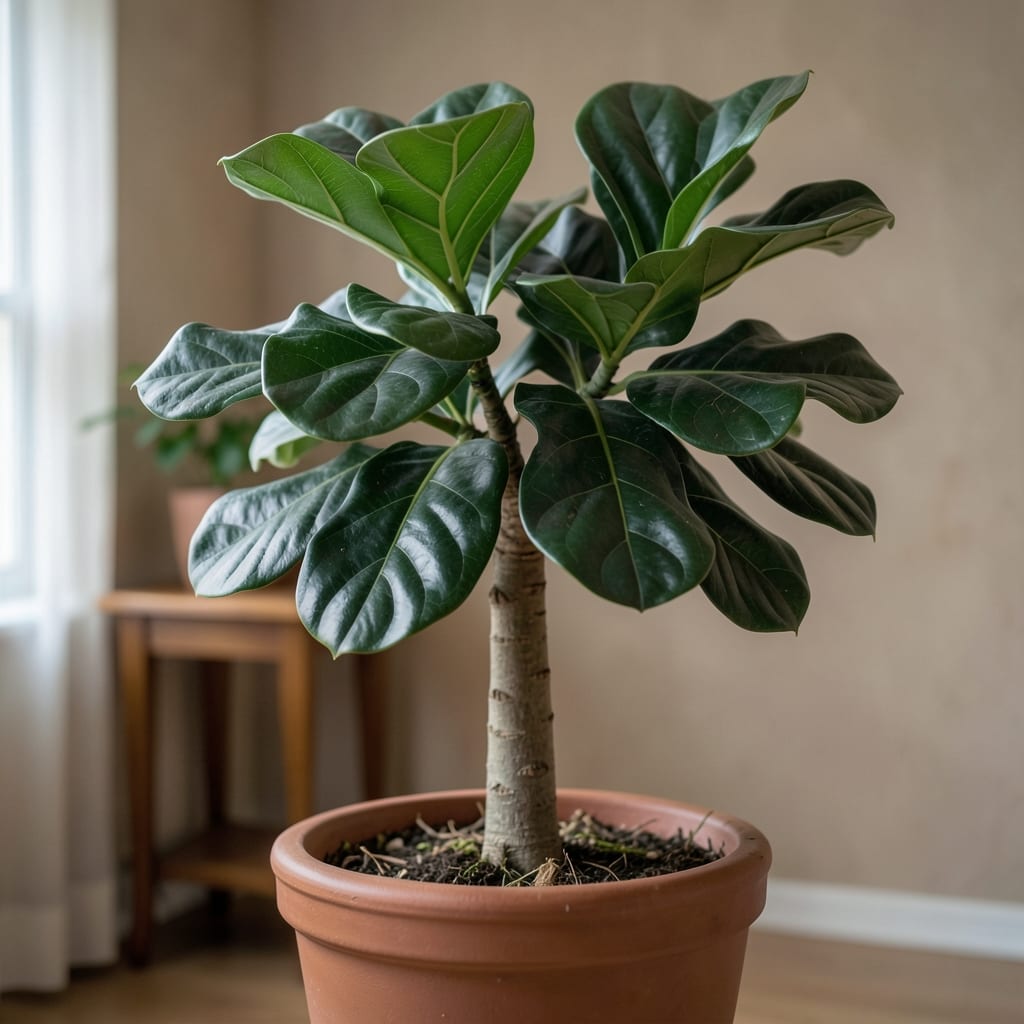
Ideal light requirements for ficus plants: bright indirect sunlight explained
Ficus plants thrive best in bright indirect sunlight, a balance that mimics their natural tropical habitat. Too much direct sun causes leaf scorch, while dim lighting leads to stunted growth and pale foliage. Understanding the light intensity spectrum—from low to high—helps you position your ficus perfectly for lush, healthy leaves.
The ideal light range for ficus plants falls between 1,000 to 2,000 foot-candles of light intensity. This is roughly equivalent to the light found 2-3 feet away from an east-facing window or under a sheer curtain near a south-facing window. Think of it as the goldilocks zone—not too harsh, not too dim.
For indoor growers, artificial grow lights can bridge the gap when natural light falls short. LED grow lights with a 5,000-6,500K color temperature mimic bright indirect sunlight and should be placed 6-12 inches above the plant for 12-14 hours per day. This setup is perfect for low-light offices or rooms without natural light sources.
Seasonal adjustments are key, especially if your ficus lives indoors. During winter months, when daylight is shorter, supplement with grow lights or rotate your plant quarter-turns weekly to ensure even light exposure. Conversely, in summer, watch for intense afternoon sun and move your ficus away from south-facing windows to prevent leaf burn.
Outdoor ficus plants, like the Ficus elastica or Ficus benjamina, can handle morning sun but should be shielded from direct afternoon rays, especially in hot climates. A lightweight sheer curtain or dappled shade from nearby trees creates the perfect outdoor environment. If you're growing ficus in a container garden, ensure the pot is placed where it receives filtered sunlight for most of the day.
Here’s a quick way to test your space: Hold a piece of white paper near your ficus. If the shadows are soft and diffuse, you’ve nailed the ideal light. If the shadows are sharp and dark, the light is too direct. If the paper looks washed out, your ficus needs more brightness.
| Light Condition | Foot-Candles | Ideal Placement | Ficus Response |
|---|---|---|---|
| Low Light | 100-500 | North-facing window or 10+ feet from any window | Slow growth, pale leaves, leggy stems |
| Medium Light | 500-1,000 | East/West-facing window or 3-6 feet from a south window | Healthy growth, vibrant foliage, compact shape |
| Bright Indirect | 1,000-2,000 | 2-3 feet from an east window or under sheer curtain near south window | Optimal growth, glossy leaves, strong stems |
| Direct Sun | 2,000+ | South-facing window without shade or outdoors in full sun | Leaf scorch, brown tips, crispy edges |
If your home lacks natural light, consider rotating your ficus every few days to ensure all sides receive equal exposure. This prevents uneven growth and keeps the plant balanced. For example, if your ficus is near a window but only one side is getting light, turn it 90 degrees weekly so the backside doesn’t become leggy or sparse.
Pro tip: Monitor your ficus’s leaves for subtle changes. Healthy ficus leaves are glossy, deep green, and grow upright. If you notice yellowing between veins or brown patches, it’s a sign of too much direct sun. Adjust the placement immediately to avoid permanent damage. Conversely, if leaves turn pale or stretch toward the light, your ficus is begging for more brightness.
For outdoor ficus plants, like those in landscape beds or large containers, mulch the soil with organic matter to retain moisture and regulate temperature. This helps the roots stay cool during hot days, reducing stress from intense sunlight. Pair this with regular pruning to maintain an open canopy, allowing light to filter through to lower leaves.
Remember, every ficus variety has slight variations in light tolerance. While most adapt well to medium to bright indirect light, some, like the Ficus lyrata (fiddle-leaf fig), prefer slightly brighter conditions than others. Always observe your plant’s response and adjust accordingly—your ficus will thank you with vibrant, thriving foliage that’s the star of any room. 🌿
Signs your ficus isn’t getting enough (or too much) light—and how to fix it
Your ficus might be silently screaming for help—through its leaves. Yellowing leaves are often the first sign your plant isn’t getting enough light, but brown crispy edges mean it’s getting too much. These subtle clues help you adjust lighting before permanent damage sets in. Pay close attention to leaf color and growth patterns to diagnose the issue quickly.
If your ficus develops pale, stretched-out leaves, it’s reaching for light like a sunbathing cat. This leggy growth happens when your plant isn’t getting enough brightness, causing it to stretch toward windows or light sources. The solution? Move it closer to a bright, indirect light source or supplement with a grow light for 12-14 hours daily.
When ficus plants get too much direct sun, their leaves burn quickly. But here’s the kicker: Overwatered plants in bright light are even more vulnerable. Brown patches or white/yellow spots on leaves? That’s a red flag. Move your ficus away from south-facing windows immediately and reduce watering until the soil dries out slightly.
For outdoor ficus plants, watch for leaf drop during sudden temperature swings or intense afternoon sun. If your plant is in a container garden, ensure it’s placed under dappled shade or a lightweight sheer curtain to filter harsh rays. A simple trick: If you can see your handprint on the leaves, the light is too strong.
On the flip side, slow growth or small, sparse leaves mean your ficus is struggling in low light. Boost brightness by placing it near an east-facing window or using a reflective surface like a white wall or mirror to bounce extra light onto the plant. For indoor spaces with no natural light, a full-spectrum LED grow light is a game-changer.
Pro tip: Use a DIY light meter to test your space. Hold a white piece of paper near your ficus—if the shadows are sharp and dark, the light is too direct. If the paper looks washed out, your ficus needs more brightness. Adjust placement or add a light diffuser to soften harsh rays.
If you notice dropping leaves or wilting, it could signal a light shock after moving your ficus to a new spot. Transition plants gradually by moving them a few inches closer to the light source over 1-2 weeks. This helps them adjust without stress. For variegated ficus varieties, like Ficus elastica 'Tineke', ensure they get bright indirect light to maintain their stunning color patterns.
Remember, every ficus variety has unique light needs. While Ficus benjamina tolerates low to medium light, Ficus lyrata thrives in brighter conditions. Observe your plant’s response and tweak its environment accordingly. With the right light balance, your ficus will reward you with glossy, vibrant leaves and steady growth. 🌿