
Plants
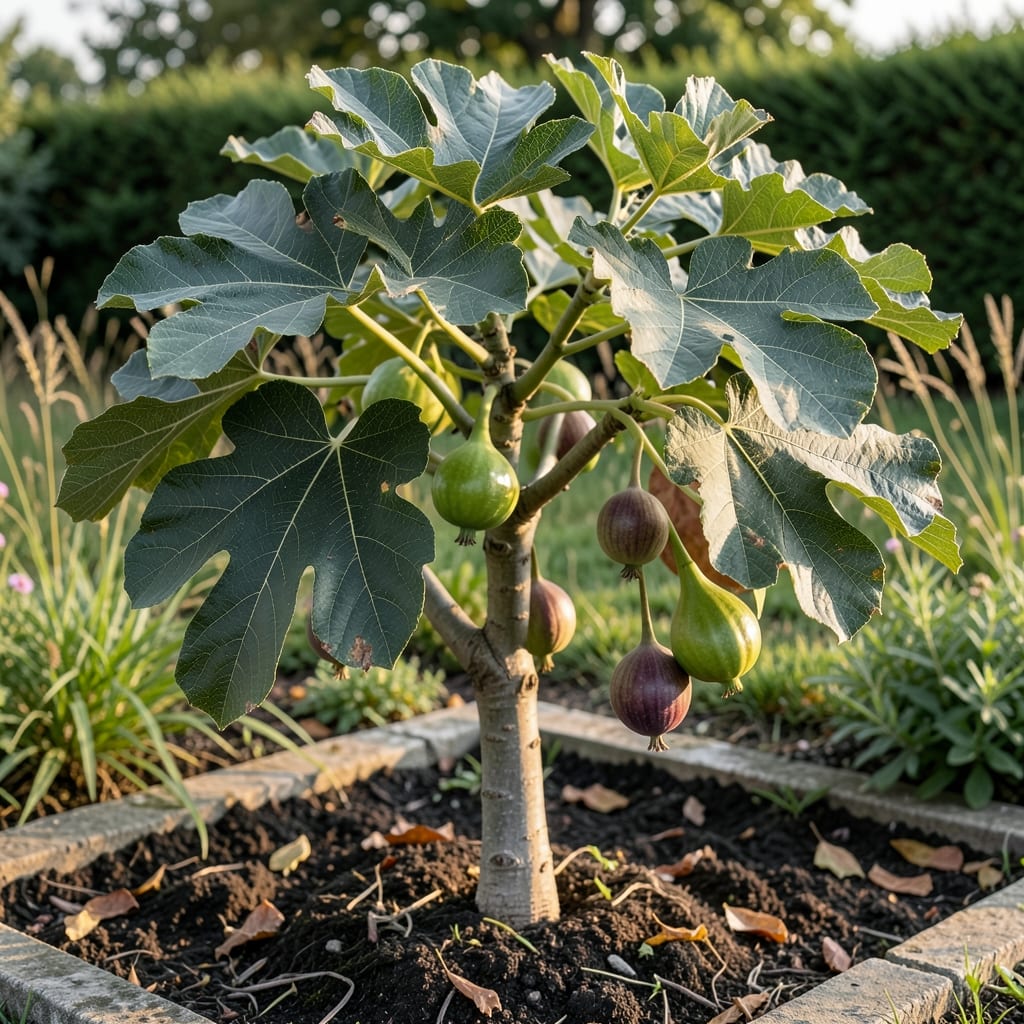
How much light does a fig plant need? It craves sunlight like we crave coffee—but get the balance wrong, and you’re either staring at a sad, leggy plant or watching leaves crisp like overcooked toast. The question isn’t just how much light they need, but how to give it without turning your green thumb into a cautionary tale.
Outdoor figs in Zone 6a thrive with 6-8 hours of direct sun, but indoor plants need strategic placement—think south-facing windows or a greenhouse setup. Too little light? Your plant stretches toward the light like a sleepy cat. Too much? Those glossy leaves turn into crispy snacks. I’ll show you how to spot the signs and adjust before it’s too late.
Whether you’re dealing with a potted Brown Turkey or a Chicago Hardy in your backyard, seasonal shifts matter. Summer sun is intense, while winter light fades fast. We’ll cover artificial lighting hacks for indoor growers and why your fig might be sending you SOS signals—like yellowing leaves or weak stems—before you even notice.
Ready to stop guessing and start growing? Let’s dive into the sunlight rules that’ll have your fig plant thriving—not just surviving—through every season.

Fig plant light requirements: sunlight needs by variety (indoor vs outdoor)
Fig plants are sun worshippers—literally. They demand 6-8 hours of direct sunlight daily for peak growth and fruit production. But here’s the catch: not all fig varieties play by the same rules. Brown Turkey and Chicago Hardy thrive in full sun, while Celeste or Desert King varieties tolerate partial shade better. The key? Matching your plant’s needs to your location.
Outdoor figs in Zone 6a can handle the sun’s intensity, but indoor plants need a strategic spot. A south-facing window is your best bet, but even then, you’ll need to rotate the pot occasionally to prevent lopsided growth. Without enough light, your fig will stretch toward the window like a sleepy cat reaching for sunlight.
Seasonal shifts complicate things. Summer’s 10 AM–4 PM sun is ideal, but winter’s weak light means supplementing with grow lights or moving plants closer to windows. I’ve seen figs in greenhouses thrive year-round with artificial light, but even a simple LED grow bulb can save your indoor plant from leggy despair.
Let’s break down the light needs by variety, so you can give your fig exactly what it craves—no guesswork.
| Variety | Outdoor Light Needs | Indoor Light Needs | Best Location | Seasonal Adjustments |
|---|---|---|---|---|
| Brown Turkey | Full sun (8+ hours) | South window + grow light | South-facing yard or patio | Winter: Supplement with 12-hour light |
| Chicago Hardy | Full sun (6-8 hours) | South window (rotate weekly) | Protected outdoor space | Summer: Afternoon shade cloth |
| Celeste | Partial shade (4-6 hours) | East or west window | Morning sun, afternoon shade | Year-round: Avoid harsh midday sun |
| Desert King | Full sun (8+ hours) | South window + reflective surface | Southwest exposure | Summer: Dappled shade in peak heat |
If you’re growing figs in containers, light needs don’t change—but your plant’s access to sunlight does. A pot on a balcony gets more sun than one tucked in a corner. I once had a Brown Turkey that thrived in a raised bed with morning sun, but its identical pot-mate on the north side of the patio struggled. The solution? Move it to a sunnier spot or add a reflective surface (like white paint or aluminum foil) to bounce extra light onto the leaves.
For indoor growers, grow lights are a game-changer. A full-spectrum LED 12 inches above your plant for 12-14 hours daily mimics summer sunlight. Just avoid placing lights too close—they can scorch leaves faster than a summer afternoon in Arizona. I recommend starting with 6 hours of light and gradually increasing to avoid shocking your plant.
Pro tip: Test your light setup with a simple shadow test. Hold a ruler vertically near your plant at noon. If the shadow is longer than the ruler itself, your plant isn’t getting enough direct light. Adjust placement or add supplemental lighting immediately to prevent etiolation (those sad, stretched stems).
Remember, figs are resilient but not forgiving. Too little light? Your plant will grow weak and leggy. Too much? Leaves crisp like autumn leaves in a windstorm. The goal is balanced sunlight—enough to fuel growth without causing stress. Next, we’ll cover the telltale signs your fig is sending you SOS signals about its light situation. 🌱
Signs your fig plant has too much or too little light (and how to Fix it)
Your fig plant speaks volumes through its leaves—if you know what to listen for. Too little light triggers etiolation, where stems stretch like overgrown noodles toward the nearest window. Look for pale, sparse leaves and weak stems that can’t support themselves. I’ve seen indoor figs grow so leggy they topple over like drunk ballerinas, all because they were begging for more sunlight.
The opposite problem—too much light—shows up as brown, crispy leaf edges or even entire leaves turning white and papery. This is your plant’s way of saying, “I’m sunburned!” It’s especially common in summer when afternoon sun acts like a microwave for leaves. Even Chicago Hardy figs, known for cold tolerance, can’t handle unfiltered midday rays without protection.
Here’s the kicker: yellowing leaves can mean either problem. If the yellow starts on older leaves, it’s often a light deficiency. But if new growth turns yellow with brown patches, your plant is overheating from too much direct sun. The fix? Move your plant to a spot with dappled shade (like under a sheer curtain) or provide afternoon shade cloth if it’s outdoors.
Don’t ignore leaf drop either. Figs drop leaves when stressed—whether from light shock (sudden moves) or extreme heat. If your plant sheds more than a few leaves at once, it’s crying out for help. Check the soil first—drought stress mimics light stress—but if the soil’s moist, adjust the light instead.
🌱 Quick Fix Guide:
- Leggy growth? → Move to a sunnier spot or add a grow light.
- Crispy leaves? → Provide afternoon shade or move indoors.
- Yellowing new leaves? → Reduce direct sunlight hours gradually.
- Leaf drop? → Check for light + water balance issues.
Seasonal shifts are critical. In winter**, weak sunlight tricks figs into thinking it’s time to hibernate. If your indoor plant’s leaves turn dark green and rubbery, it’s starving for light. Rotate the pot weekly so all sides get equal exposure, or supplement with a 12-hour grow light schedule. Summer’s intense rays demand morning sun only for most varieties—afternoon shade is non-negotiable for Desert King figs.
Pro tip: Use a light meter (or your phone’s lux app) to measure light levels. Figs thrive at 10,000–20,000 lux—anything below 5,000 lux and you’re in the danger zone for etiolation. If your windowsill measures 3,000 lux or less, it’s time to invest in artificial lighting. The good news? Fig plants are forgiving—with the right adjustments, they bounce back faster than you’d expect.
Next up: We’ll tackle the best artificial lighting solutions for indoor figs, so you can keep your plant thriving—even in the gloomiest winter or darkest apartment. ☀️
⚠️ Light Stress Warning Signs
Too Little Light: Leggy stems, pale leaves, weak growth
Too Much Light: Brown leaf edges, crispy texture, leaf drop
Urgent Fix: Move plant to 50% shade immediately if leaves show burn. For deficiency, add supplemental light within 3 days.