
Light Requirements
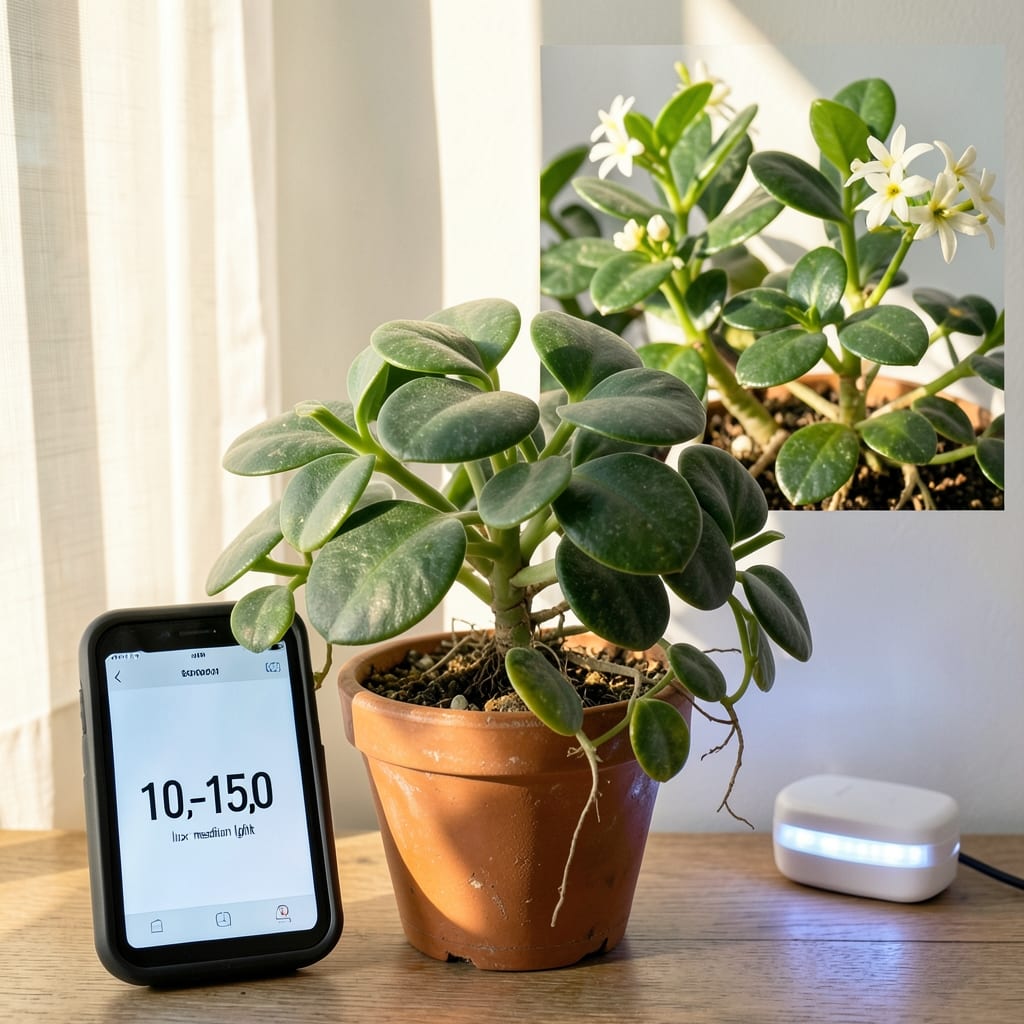
If you’re wondering how much light does a Hoya plant need to thrive despite your best care efforts, the answer might be simpler than you think: light. Getting the balance just right is the key to those glossy leaves and stunning blooms you’re dreaming of. Too little light, and your plant stretches out like it’s searching for the sun, while too much can turn leaves into crispy snacks. Let’s uncover the exact light conditions your Hoya craves to keep it happy and growing.
Most Hoyas flourish in bright indirect light, mimicking their natural habitat under the forest canopy. Think of it as a sunbathing session without the harsh rays—like lounging under a sheer curtain on a sunny day. This means positioning your plant near an east or north-facing window, where it gets 4 to 6 hours of gentle sunlight daily. But here’s the catch: not all Hoyas are created equal, and some varieties, like the Hoya carnosa, can handle a bit more direct light than others.
You might be wondering, “How do I know if my Hoya is getting the right amount?” Watch for telltale signs: leggy growth or pale leaves mean it’s craving more light, while brown spots or crispy edges signal it’s getting too much. The good news? Adjusting light exposure is easier than you’d think, and with a few simple tweaks, you can turn your plant’s light situation around in no time. Let’s dive into the specifics so you can give your Hoya the perfect glow-up.
Whether you’re dealing with a sun-starved vine in a dim corner or a plant that’s turning into a crispy critter near a south-facing window, this guide will help you dial in the ideal light conditions. By the end, you’ll know exactly how to position your Hoya for success—no guesswork required. Ready to transform those sad, stretchy leaves into a lush, thriving masterpiece? Let’s get started.


Hoya plant light requirements: exact hours by light type
Hoyas thrive in bright indirect light, but their exact needs vary by species. Most Hoyas—like the popular Hoya carnosa—need 4 to 6 hours of filtered sunlight daily. This means placing them near an east-facing window or a north-facing window where sunlight is gentler. Direct midday sun can scorch leaves, while too little light leads to leggy, weak growth.
For high-light-tolerant Hoyas (e.g., Hoya obovata or Hoya linearis), you can extend exposure to 6 to 8 hours of bright, indirect light. These varieties often handle morning sun better than afternoon rays. Meanwhile, low-light Hoyas (like Hoya linearis in shaded conditions) can survive with just 2 to 4 hours of light, though their growth may slow.
🌿 Pro Tip: If your Hoya develops pale or yellow leaves, it’s craving more light. If leaves turn brown or crispy, it’s getting too much direct sun.
| Hoya Type | Ideal Light Hours | Best Window Placement | Signs of Stress |
|---|---|---|---|
| Hoya carnosa | 4–6 hours | East or North | Leggy growth, pale leaves |
| Hoya obovata | 6–8 hours | South (filtered) | Brown leaf tips, crispy edges |
| Hoya linearis | 2–4 hours | North or shaded | Stunted growth, thin leaves |
| Hoya kerrii | 4–5 hours | East or West | Yellowing leaves, slow growth |
Note: Adjust based on your home’s light intensity—south-facing windows are brighter!
Outdoors, Hoyas love dappled shade under trees or on a covered patio. Avoid placing them in full sun, especially during summer, as the leaves can develop sunburn spots that look like white or brown patches. If your Hoya is outdoors, rotate the pot quarter-turns weekly to ensure even light exposure and prevent lopsided growth.
For indoor growers, a grow light can supplement weak natural light. Use a full-spectrum LED for 12–14 hours daily, positioned 6–12 inches above the plant. This mimics bright indirect light and encourages healthier foliage and blooms. Just avoid placing the light too close—leaf burn can happen in as little as 24 hours of direct LED exposure.
💡 Light Hack: If your Hoya isn’t flowering, it might need more light. Hoyas bloom best with consistent bright indirect light—aim for at least 5 hours daily during growing seasons (spring and summer). Reduce light slightly in winter when growth slows naturally.
Not all Hoyas are created equal—variegated varieties (like Hoya carnosa ‘Compacta Variegata’) need more light to maintain their striking patterns. Without enough light, the variegation fades, and leaves revert to solid green. If you notice this, move your Hoya closer to the window or supplement with a grow bulb.
Finally, seasonal adjustments matter. In winter, when daylight shortens, Hoyas enter a rest period and tolerate lower light levels. However, if you notice leggy stems or small, sparse leaves, it’s time to boost light exposure before spring growth resumes. A south-facing windowsill or grow light can work wonders during these darker months.
☀️ Remember: The key to happy Hoyas is balance. Too little light = weak growth. Too much direct sun = leaf damage. Find that sweet spot of bright, indirect light, and your Hoya will reward you with glossy leaves and stunning flowers for years to come!
Signs your Hoya isn’t getting the right light (and how to fix it)
Your Hoya’s leaves tell a story—if they’re yellowing or stretching, it’s begging for more light. Leggy growth (long, sparse stems) is the #1 sign of light deprivation. This happens when your Hoya stretches toward distant windows, creating weak, floppy vines. The fix? Move it closer to a brighter window or add a grow light for 2–3 extra hours daily.
On the flip side, brown, crispy leaf edges or white sunburn patches mean your Hoya is getting too much direct sun. These spots start as translucent marks before turning papery and dead. If you spot them, relocate your plant to a shadier spot or use a sheer curtain to filter harsh rays. For outdoor Hoyas, afternoon sun is the biggest culprit—move them to morning sun only.
Another red flag? Leaves losing their glossy finish and turning dull or wrinkled. This dullness signals low humidity + insufficient light, common in north-facing windows or dim corners. Boost light AND increase humidity with a pebble tray or humidifier nearby. Variegated Hoyas are extra sensitive—if their cream or pink patterns fade to green, they’re not getting enough light to maintain their chlorophyll balance.
🌱 Quick Fix: If your Hoya’s leaves are curling inward, it’s often a light + water combo issue. Check soil moisture first—overwatering in low light causes root stress. Then, adjust light. Curling can also happen if your Hoya is too close to a cold window (below 60°F). Move it to a warmer, brighter spot and avoid drafts.
For outdoor Hoyas, watch for uneven growth—one side darker or leggier than the other. This means lopsided light exposure. Rotate the pot quarter-turns weekly to ensure even growth. If your patio Hoya develops small, dark green leaves on one side, it’s shading itself from direct sun. Trim back overgrown vines to improve air circulation and light penetration.
💡 Pro Tip: Use a light meter app (like Light Meter for iOS/Android) to check your plant’s lux levels. Hoyas thrive at 1,000–3,000 lux. If your reading is below 500 lux, supplement with a grow bulb. For variegated Hoyas, aim for 3,000–5,000 lux to preserve their color patterns.
Finally, if your Hoya refuses to flower despite proper care, light is likely the issue. Hoyas need consistent bright indirect light to trigger blooming. Try moving it to a south-facing window (with sheer curtains) or add a 12-hour grow light cycle in winter. Patience pays off—some Hoyas take 2–3 years to flower, but light is 80% of the battle.