
Light Requirements
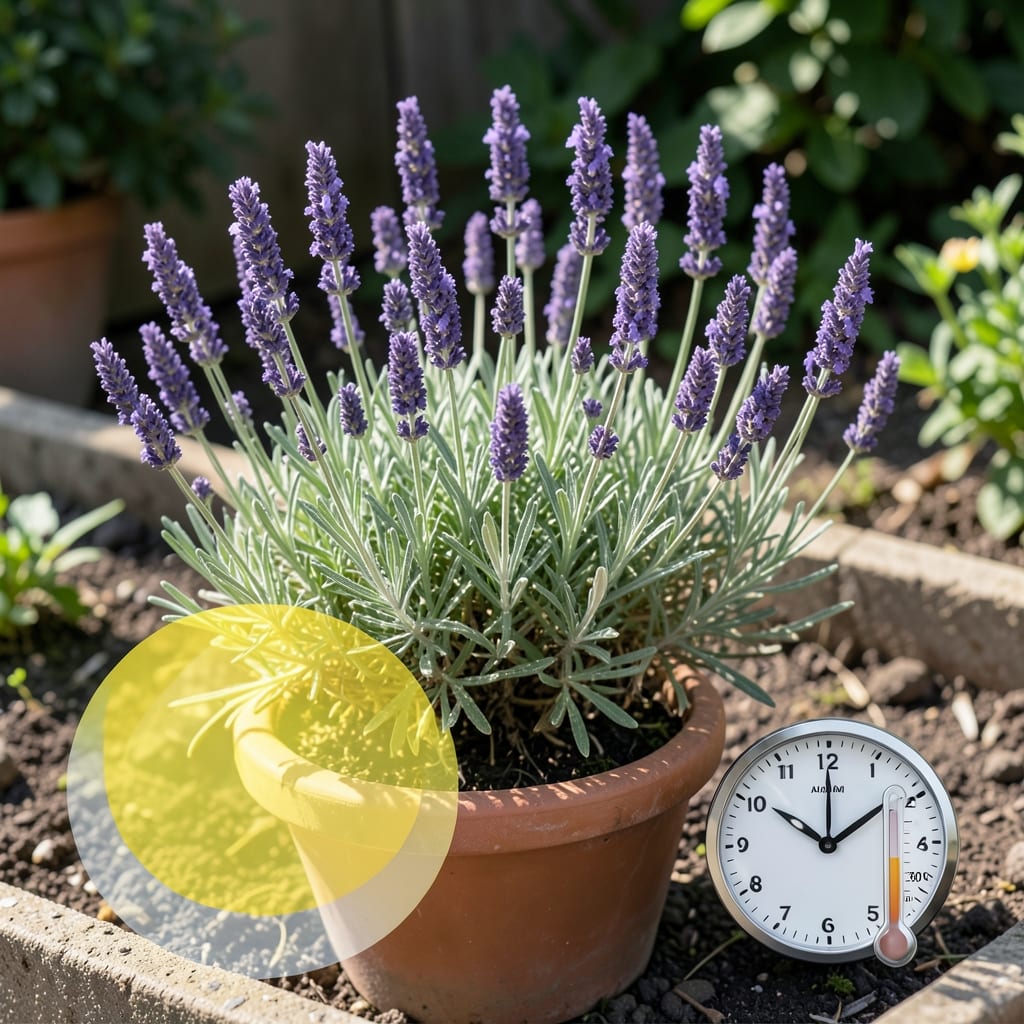
How much light does a lavender plant need to thrive? If you’ve ever watched your fragrant 🌿 lavender stretch toward the sky like a sunflower, you already know the answer: it’s not enough. This Mediterranean beauty demands full sun—at least 6-8 hours daily—to produce those signature purple spikes and intoxicating scent. Without it, your lavender will grow weak, leggy, and forget its signature fragrance.
But here’s the catch: lavender isn’t just picky about sunlight—it’s demanding in the best way. In USDA Zone 6a, where spring planting kicks off in March-April, giving your lavender the right light means the difference between a bushy, blooming powerhouse and a sad, sparse shadow. Whether you’re planting in-ground or in containers, I’ll show you how to meet its needs—even if your garden isn’t basking in endless sunshine.
You might think partial shade is a compromise, but lavender hates it. Too little light leads to weak stems, fewer blooms, and a fragrance that fades faster than a summer breeze. The good news? With a few simple adjustments—like rotating pots or choosing the right spot—you can give your lavender the full-sun experience it craves, no matter where you live.
Ready to unlock the secrets to vibrant, fragrant lavender? Let’s dive into exactly how much light lavender needs, how to spot the signs of underlighting, and the easiest ways to fix it—so you can enjoy those purple spikes all June through September.
 Best Window Placement
Ideal sunlight requirements for lavender plants: the full-sun rule explained
Lavender isn’t just another pretty face in your garden—it’s a sun-hungry Mediterranean native that thrives when basking in 6-8 hours of direct sunlight daily. This isn’t negotiable if you want those fragrant purple spikes and compact growth. In USDA Zone 6a, where I’ve grown lavender for years, the key is mimicking its natural habitat: hot, dry summers with intense sunlight exposure.
Think of lavender like a desert plant—it craves sunlight to fuel its oil production (that’s what gives it that signature scent!). Without enough light, it’ll stretch toward the sun, grow weak, and produce fewer blooms. Even 4-5 hours of partial shade can turn your lavender into a leggy, sad shadow of its full-sun self.
Here’s the golden rule: Full sun = 6+ hours of direct sunlight. For optimal growth and fragrance, aim for 8 hours daily, especially in summer months (June-September) when lavender is actively blooming. In spring (March-April), when you’re planting, give it the sunniest spot you can find—even if it’s not perfect yet.
But what if you live in a shadier climate or have obstructions like trees or buildings? Don’t panic—lavender is flexible but not forgiving. It can tolerate 3-4 hours of sun in extreme cases, but expect smaller plants with fewer blooms. If your garden gets less than 6 hours of sun, consider containers you can move or grow lights for indoor lavender.
Now, let’s talk seasonal adjustments. In winter (October-April), days are shorter, and sunlight is weaker. Lavender enters dormancy, so 5-6 hours of winter sun is usually enough to keep it alive. But if you notice bare stems or no new growth in spring, it’s a sign it didn’t get enough light during dormancy.
Pro tip: Morning sun is gentler than harsh afternoon rays, but lavender still needs direct sunlight. If your garden gets afternoon shade, place lavender where it catches morning sun first. This helps prevent heat stress while still giving it the light it needs.
🌿 Lavender Sunlight Summary
| Requirement | Specification |
|---|---|
| Minimum Daily Sun | 6-8 hours (full sun) |
| Ideal Sun Exposure | 8+ hours (summer), 5-6 hours (winter) |
| Partial Shade Tolerance | 3-4 hours (weak growth) |
| Best Sun Direction | South-facing (most intense light) |
| Winter Light Needs | 5-6 hours (dormancy support) |
💡 Did you know? Lavender’s fragrance oils are produced in response to sunlight—more sun = stronger scent!
One common mistake is assuming bright indirect light (like near a window) is enough. It’s not! Lavender needs direct rays, so if you’re growing it indoors, place it within 1-2 feet of a south-facing window. If your windowsill isn’t sunny enough, supplement with a grow light for 12-14 hours daily.
For outdoor lavender, avoid planting near tall trees or structures that cast shade. Even dappled shade from branches can weaken your plant. If you must plant near trees, choose a spot where it gets sun for at least half the day. And remember: reflective surfaces (like white walls or gravel) can bounce extra light onto your lavender, giving it a boost.
Lastly, overwatering in full sun is a silent killer. Lavender in direct sunlight dries out faster, so let the soil dry completely between waterings. If you notice yellowing leaves or wilting, it’s often a sign of too much water + not enough sun. The fix? Move it to a sunnier spot and cut back on watering.
Now that you know lavender’s sunlight secrets, your next step is to choose the right spot—whether in-ground or in containers. Let’s tackle that in the next section! ☀️
How to adjust light conditions for potted vs. ground-planted lavender
If your lavender is in a container, sunlight needs become even trickier. Pots can’t move like you do, so you’ll need to rotate them weekly to ensure even exposure. Place your containers on a south-facing patio or balcony where they’ll soak up 6-8 hours of direct sun. If your space only gets morning sun, consider a reflective surface like a white wall or mirror to bounce extra light onto your plants.
For ground-planted lavender, the key is choosing the right microclimate. Avoid spots where trees or buildings cast partial shade—even for part of the day. Instead, pick an area with unobstructed sunlight, like a sunny slope or the southern edge of your yard. In USDA Zone 6a, winter sunlight is weaker, so position your lavender where it gets maximum winter sun too.
Potted Lavender vs. Ground-Planted: Light Adjustments
- Rotate pots weekly for even light
- Use reflective surfaces to boost light
- Choose lightweight containers for easy moving
- Pick south-facing, unshaded spots
- Use windbreaks to prevent light loss
- Amend soil for better drainage
- Place pots in full sun daily
- Monitor light changes seasonally
- Use grow lights for winter supplements
- Let pots sit in shade for long
- Ignore winter light reduction
- Plant near tall shade trees
In urban gardens with limited sunlight, get creative! Use vertical planters on sunny walls or group pots together to maximize light exposure. If your lavender starts looking sad by late afternoon, consider a small grow light for 2-3 hours in the evening. Just avoid overhead lights, which can cause heat stress.
One common mistake is assuming morning sun alone is enough. While morning light is great, lavender needs intense midday rays too. If your garden only gets 3-4 hours of direct sun, your lavender will struggle—even with the best soil. The solution? Move it to a sunnier spot or supplement with artificial light during its peak growing months.
For container gardeners, remember: lavender roots are shallow, so they can’t reach deep for sunlight like in-ground plants. That’s why dwarf varieties often thrive better in pots—they’re already adapted to limited space. If you’re growing standard lavender in containers, expect to rotate them every few days to keep stems from leaning toward the light.
Finally, don’t forget that winter sunlight is weaker, especially in Zone 6a. If your lavender starts looking pale by late fall, it’s time to supplement with grow lights or move pots to a sunnier winter spot. With these adjustments, your lavender will stay bushy, fragrant, and full of blooms all season long. 🌿