
Companion Plants
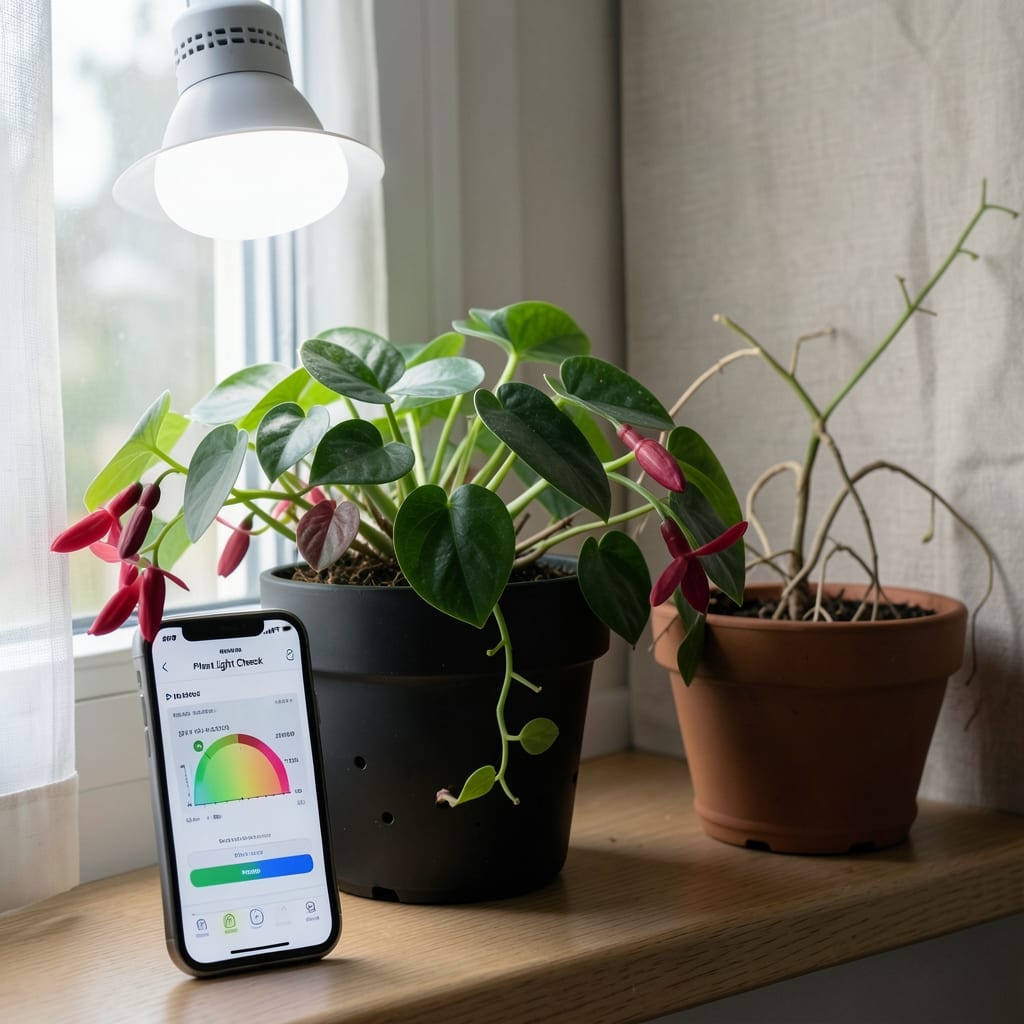
If you’ve ever watched your Lipstick Plant 🌸 struggle with weak growth or sparse blooms, chances are its light needs aren’t being met. This stunning tropical beauty thrives in bright, indirect sunlight—but too much direct sun or dim corners can send it into a downward spiral.
Getting the balance right is easier than you think. I’ll show you exactly how to spot the perfect light spot in your home, whether you’re working with an east-facing window or need to supplement with grow lights. No more guessing whether your plant is getting just enough—or too much.
You’ll also learn how to troubleshoot common light-related issues like yellowing leaves or leggy stems, so your Lipstick Plant stays vibrant and blooms like crazy. Let’s turn those light struggles into lush, happy growth.
Ready to give your plant the ideal conditions? The key is in the details—and I’ve got all the actionable tips you need to keep your Lipstick Plant thriving year-round.

Ideal light requirements for lipstick plant blooms: bright indirect sunlight explained
The Lipstick Plant (Aeschynanthus radicans) thrives in bright, indirect sunlight, mimicking its natural tropical habitat. This means it needs plenty of light to fuel photosynthesis and trigger those stunning blooms, but not the harsh, direct rays that can scorch delicate leaves. Think of it like a sunbather who wants a golden glow without turning into a lobster.
For optimal growth, aim for 4-6 hours of bright indirect light daily. This could be an east-facing window where the morning sun gently filters through, or a west-facing window with sheer curtains to diffuse the afternoon rays. South-facing windows are riskier—they can deliver too much intensity, especially in summer.
If you're growing your Lipstick Plant indoors, position it 2-3 feet away from an east-facing window or 1-2 feet from a west-facing one. The key is to avoid direct sun while ensuring enough light penetrates the leaves. In lower-light conditions, you might see slower growth or fewer blooms, but the plant can adapt—though it won’t reach its full potential.
Outdoor growers in USDA Zone 6a or warmer can place their Lipstick Plants under dappled shade, like beneath a tree canopy or on a shaded patio. Just avoid full sun exposure, which can cause leaf burn and stress. The ideal spot is where the plant gets morning sun and afternoon shade, replicating its natural forest-floor environment.
Here’s how to think about light intensity: Bright indirect light is like standing under a leafy tree on a sunny day—you get plenty of light without the harsh glare. Direct sunlight is like standing in a field at noon—too much, too fast. Your Lipstick Plant will thank you for keeping it in that sweet spot.
🌱 Lipstick Plant Light Requirements Summary
| Light Type | Daily Duration | Ideal Placement | Outdoor Conditions |
|---|---|---|---|
| Bright Indirect | 4-6 hours | East/west window, 2-3 ft away | Dappled shade, morning sun |
| Low Light | Survives with less | North-facing window | Understory, no direct sun |
| Direct Sun | Avoid | South window (risky) | Full sun (leaf burn risk) |
Understanding the science behind photosynthesis helps explain why light matters so much. Your Lipstick Plant uses light to convert water and carbon dioxide into glucose—the fuel it needs for growth and flowering. Without enough light, this process slows down, leading to weaker stems, smaller leaves, and fewer blooms. But too much light, especially direct sun, can overwhelm the plant’s protective pigments, causing leaf scorch and stress.
The perfect balance triggers another critical process: flowering. Lipstick Plants bloom in response to specific light conditions, particularly when they receive consistent, bright indirect light. If you notice your plant putting out lots of foliage but no flowers, it might be getting too much shade. Rotating the pot every few weeks ensures even growth and helps all sides of the plant get equal light exposure.
For indoor growers, grow lights can be a game-changer if natural light is lacking. LED grow lights with a cool white spectrum (around 5000-6500K) mimic natural sunlight and can provide the 4-6 hours of light your plant craves. Place the light 6-12 inches above the plant and set a timer for 12-14 hours of light per day during winter months when daylight is shorter.
One common mistake is assuming all bright light is good light. A south-facing window in summer can deliver intense, direct sunlight, which is harmful. Instead, use a sheer curtain to diffuse the light or move the plant back a few feet. The goal is to provide enough light for photosynthesis without causing stress or damage.
Pro tip: Observe your Lipstick Plant’s leaves. If they’re dark green and vibrant, you’re likely in the sweet spot. If they’re pale or yellowing, it’s getting too much light. If they’re deep green but sparse, it might need more brightness. Adjust accordingly, and your plant will reward you with lush growth and stunning blooms.
Signs your lipstick plant has too much or too little light (and how to fix it)
Your Lipstick Plant 🌸 sends clear signals when its light needs aren’t met. Watch for yellowing leaves or brown leaf tips, which often mean too much harsh sunlight. These symptoms appear when direct rays scorch delicate foliage, especially in south-facing windows where UV exposure peaks.
On the flip side, leggy growth and pale, stretched-out stems scream for more light. This happens when your plant stretches toward the nearest window, a classic sign of light deprivation. Without enough brightness, it can’t photosynthesize properly, leading to weak, floppy stems and sparse blooms.
Another red flag? No flowers at all. Lipstick Plants need bright indirect light to trigger blooming. If your plant sits in a dim corner, it may produce lush leaves but skip the vibrant lipstick-red flowers entirely. Even east-facing windows can be too shady in winter when daylight fades early.
⚠️ Light Stress Warning
Too Much Light: Crispy leaf edges, bleached patches, or drooping leaves in hot afternoon sun.
Too Little Light: Stunted growth, yellow lower leaves, and no blooms after months of care.
Fix: Move to 2-3 feet from an east window or use a sheer curtain to diffuse harsh rays.
Seasonal changes complicate things. In winter months, shorter daylight hours can trick your plant into thinking it’s dormant season. If you notice dropping leaves or slowed growth during colder months, supplement with a grow light for 6-8 hours daily. A simple LED bulb (6500K color temp) mimics natural light and keeps your plant thriving.
Rotate your plant quarter-turns weekly to prevent uneven light exposure. This ensures all sides get equal brightness, which is key for balanced growth and flower production. If your plant leans toward one side, it’s begging for a better spot—or a gentle nudge toward the light.
Pro tip: Use your hand as a light meter. Hold it near your plant’s leaves. If you can’t see your fingers clearly through the foliage, it’s getting enough bright indirect light. If your hand casts a sharp shadow, move it back 1-2 feet.