
Plants
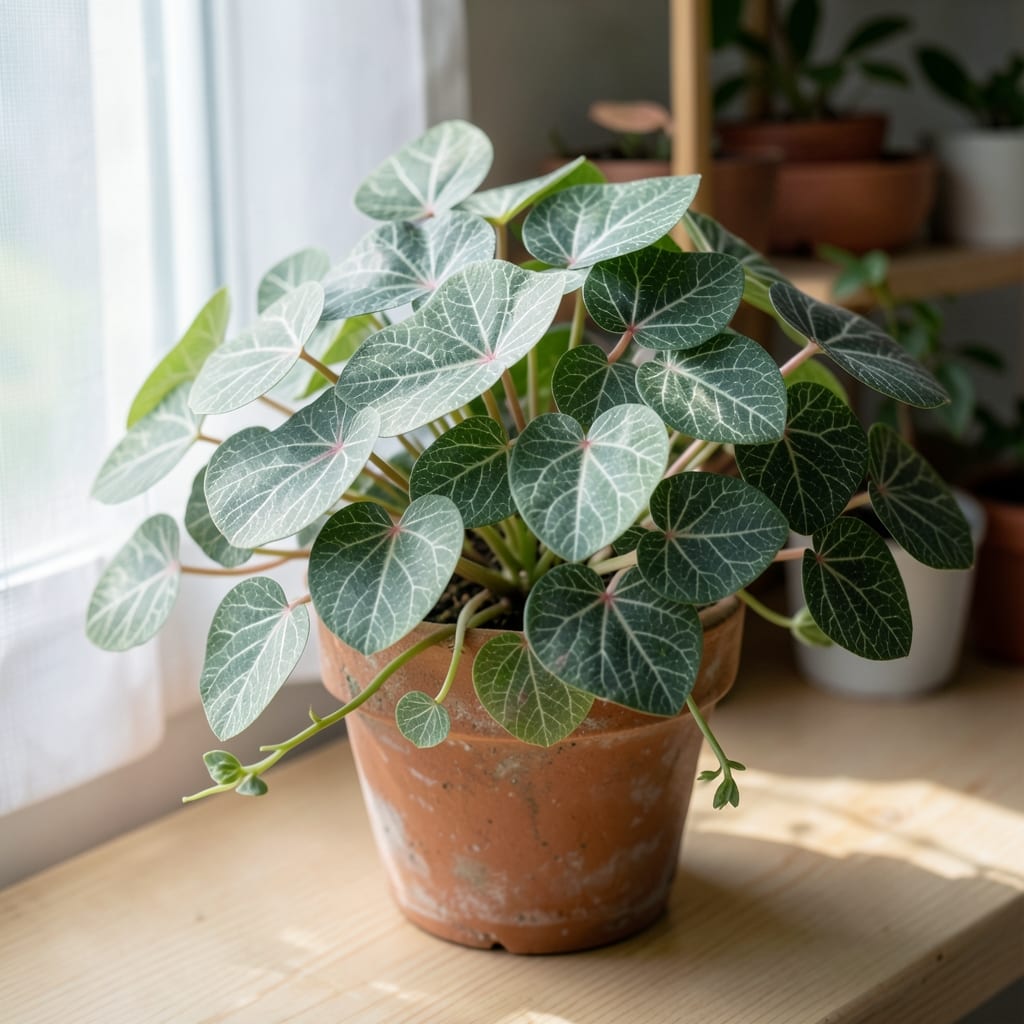
If you're wondering how much light does a nerve plant need to stay vibrant and healthy, the answer might surprise you—it’s not as much as you’d think! This stunning 🌿 with its delicate veined leaves actually thrives in bright, indirect sunlight, but too much direct light can turn those gorgeous patterns dull or even scorched.
Most people assume tropical plants like the nerve plant need 10-12 hours of light daily, but the key is the type of light. Too little, and your plant will stretch out leggy and weak; too much, and those beautiful veins fade. The good news? With the right setup, you can keep your nerve plant happy even in low-light spaces—we’ll show you how.
Let’s break down exactly what your nerve plant needs to flourish, from ideal window spots to grow light solutions for darker rooms. You’ll also learn how to spot signs of over- or under-lighting so you can adjust before it’s too late.
Ready to give your nerve plant the perfect lighting conditions? Let’s dive in—your plant’s health (and those stunning veins!) will thank you.

Optimal light requirements for nerve plant growth: bright indirect sunlight explained
Your nerve plant (Fittonia) thrives under bright indirect sunlight for 10-12 hours daily, but the intensity matters just as much as the duration. Think of it like a tropical rainforest understory—dappled light filters through the canopy, creating the perfect balance for vibrant foliage. Direct sun acts like a harsh spotlight, bleaching those stunning veins and causing leaf burn.
The ideal scenario mimics an east-facing window where morning sunlight gently brightens the room without the harsh afternoon rays. West-facing windows work too, but place your plant 3-4 feet back to avoid the intense late-afternoon sun. South-facing windows are trickier—use sheer curtains to diffuse the light and prevent scorching.
Here’s what happens when you get the lighting wrong: Too little light leads to leggy growth and pale veins, while too much direct sun causes crispy edges and faded patterns. Your goal is to maintain that medium-light balance where leaves stay lush and veins remain crisp.
Seasonal changes can throw off your nerve plant’s lighting routine. During winter months, when natural light dims, supplement with a full-spectrum LED grow light for 6-8 hours daily. Position it 12-18 inches above the plant to mimic the intensity of indirect sunlight. Pro tip: Rotate your plant quarter-turn weekly to ensure even growth—those stunning veins should stay symmetrical!
If you’re unsure whether your space meets the bright indirect light requirement, try this quick test: Hold your hand near the plant’s leaves. If you can’t read a book comfortably in that spot, it’s likely too dim. For extra brightness, place a white or light-colored wall behind the plant to reflect more light onto the foliage.
Remember, nerve plants are tropical understory dwellers, so they crave that filtered, gentle glow. Avoid placing them near heat vents or drafty windows—consistent 65-75°F temperatures and stable humidity (50-60%) work best. With the right light, your nerve plant will reward you with bold, vibrant veins and lush, healthy growth all year round.
Now that you know the ideal lighting setup, let’s tackle how to adjust your home’s lighting for those tricky spots—whether it’s a dim corner or a sun-drenched windowsill.
Optimal light requirements for nerve plant growth: bright indirect sunlight explained
Your nerve plant (Fittonia) thrives under bright indirect light—about 10-12 hours daily—but the quality matters more than the quantity. Think of it like a tropical rainforest understory, where dappled sunlight filters through the canopy. Direct sun will scorch those delicate leaves, while too little light causes the iconic veins to fade and stems to stretch.
The ideal spot is 2-3 feet from an east or west-facing window, where morning or late afternoon sun gently illuminates the plant without harsh rays. South-facing windows can work too, but only if you use a sheer curtain to diffuse the intensity. North-facing windows? Those are typically too dim—we’ll cover solutions for that later.
Here’s the key: your nerve plant needs 60% of the light intensity of full sun. That’s why you’ll often see it thriving under fluorescent lights in offices or near bright lamps at home. The goal is to keep those colorful veins vibrant—a clear sign your plant is happy.
| Light Requirement | Specification |
|---|---|
| Type | Bright indirect sunlight |
| Daily Duration | 10-12 hours |
| Intensity | 60% of full sun |
| Best Windows | East or west-facing |
| Distance from Window | 2-3 feet |
| Signs of Too Much Light | Yellow/brown leaf edges |
| Signs of Too Little Light | Leggy stems, pale veins |
Watch for yellowing leaves or brown crispy edges—these are red flags for too much direct sunlight. On the flip side, if your plant’s stems stretch toward the light and the veins lose their pink or white contrast, it’s begging for more brightness. Rotate your plant quarter-turns weekly to encourage even growth and prevent it from leaning toward one light source.
Seasonal changes can throw off your nerve plant’s light balance. In winter, when daylight shrinks, supplement with a grow light (we’ll cover this in the next section). Conversely, during summer, watch for hot afternoon sun—move your plant away from the window if leaves start curling or developing white patches.
Pro tip: Place your nerve plant near a mirror or white wall to bounce extra light onto its leaves. This simple trick can boost brightness by up to 20% without extra equipment. Your plant’s vibrant veins will thank you!