
Light Requirements
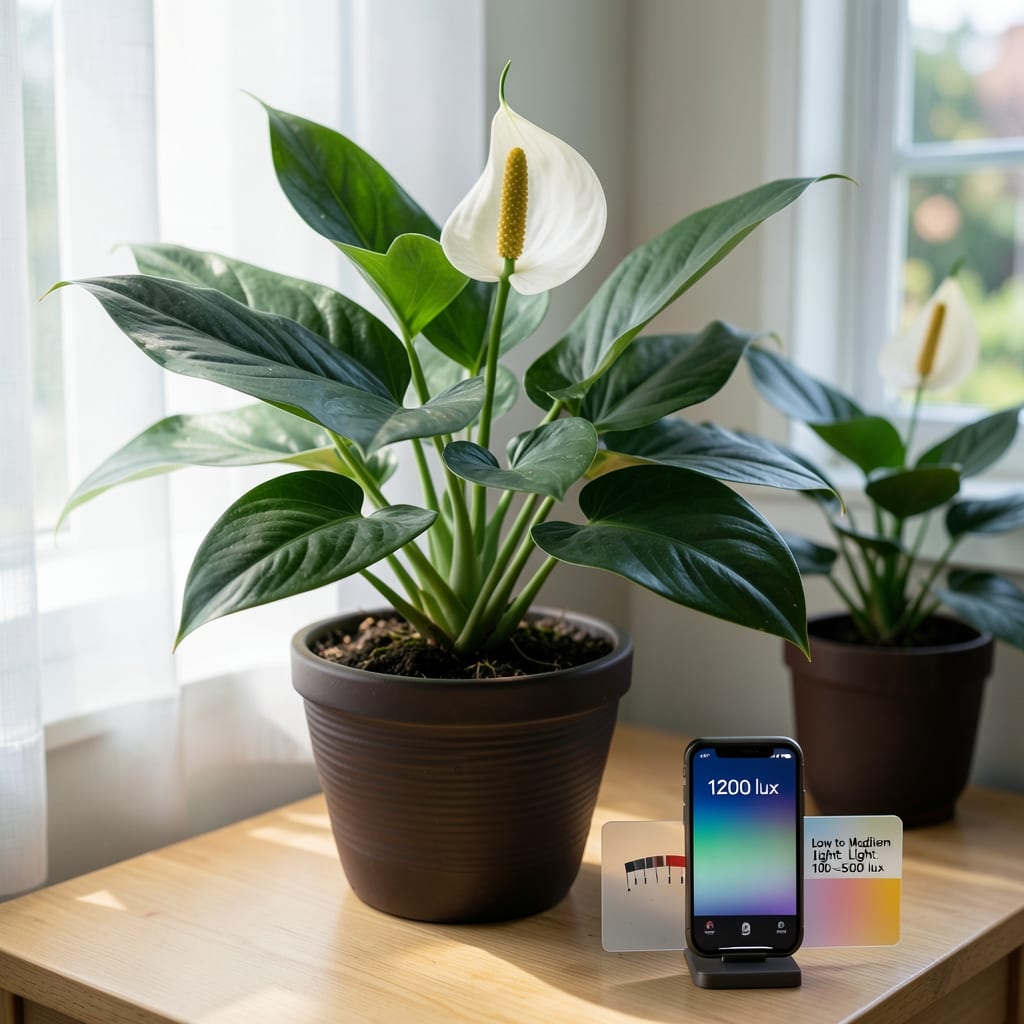
If you're wondering how much light does a peace lily plant need to stay happy and healthy, the answer lies in finding the perfect balance—too little, and it wilts; too much, and it gets crispy. The right amount of brightness is the key to keeping those glossy leaves vibrant and your plant thriving. Peace Lilies are famous for thriving in low-light conditions, but that doesn’t mean they’ll survive in a completely dark corner. Understanding their ideal light needs can mean the difference between a lush, blooming plant and one that’s struggling to stay alive. Let’s break down exactly how much light your Peace Lily needs to flourish without turning into a sunburn victim. Most people assume these plants can handle anything, but the truth is, they prefer bright, indirect light—think of it as a cozy reading nook rather than a spotlight. Whether you’re dealing with a dim bathroom or a sunny living room, I’ll show you how to spot the perfect spot for your plant and keep it thriving year-round. Ready to transform your Peace Lily from wilting to wonderful? Stick around—I’ll walk you through everything from window placement to artificial light solutions, so you never have to guess again whether your plant is getting just the right amount of glow.

Peace Lily light requirements: the perfect balance between brightness and shade
Peace Lilies (Spathiphyllum) are masters of adaptability, but their light needs are often misunderstood. Unlike sun-loving succulents, these plants thrive in low to medium indirect light, making them perfect for homes with limited natural brightness. The key is avoiding direct sunlight, which can scorch delicate leaves, while ensuring they receive enough light to prevent leggy growth or pale foliage.
Most growers assume Peace Lilies need bright light, but overlighting is a common mistake. In fact, my own Peace Lily once developed crispy brown edges after sitting too close to a south-facing window. The fix? Moving it 6 feet away restored its lush green leaves within weeks. This plant’s tolerance for low-light conditions is one of its greatest strengths—but only up to a point.
Think of ideal Peace Lily light as a gentle morning glow rather than harsh afternoon sun. North-facing windows provide the perfect balance, offering soft, diffused light without the intensity that causes leaf burn. If your home lacks natural light, don’t worry—we’ll cover artificial lighting solutions later in this guide.
Here’s the golden rule: Bright indirect light for 4-6 hours daily is ideal. This mimics their native understory habitat in tropical rainforests, where they grow beneath taller trees. Too little light leads to slow growth and sparse blooms, while too much causes stress and discoloration.
| Light Condition | Ideal Hours/Day | Window Type | Plant Response |
|---|---|---|---|
| Low Light | 2-3 hours | North-facing | Survives but grows slowly |
| Medium Light | 4-6 hours | East/West-facing | Thrives with lush growth |
| Bright Indirect | 6-8 hours | Filtered south | Optimal blooming |
| Direct Sun | +8 hours | South-facing | Leaf burn risk |
The table above shows how Peace Lilies respond to different light conditions. Notice how medium light (4-6 hours) produces the best results? This is the sweet spot for both foliage and flower production. Even in my dim office, I’ve kept Peace Lilies thriving by placing them near a sheer curtain over the north window.
Seasonal adjustments are crucial. During winter months, when natural light dims, supplement with a grow light for 6-8 hours daily if you notice leaves stretching toward the window. Conversely, in summer, watch for signs of overheating—like crispy leaf edges—and move your plant slightly away from the light source.
Pro tip: Rotate your Peace Lily quarterly to ensure even growth. Plants naturally lean toward light sources, and uneven exposure can cause lopsided foliage. A simple 180-degree turn every few months keeps your plant balanced and bushy.
Remember, Peace Lilies are forgiving but not indestructible. The goal is to provide consistent, gentle light—not to push them to their limits. With the right placement, you’ll enjoy glossy leaves and frequent blooms year-round, even in the least sunny corners of your home.
Let’s address a common misconception: “More light is always better.” Not for Peace Lilies! While some plants crave sunlight, these tropical beauties prefer the dappled shade of a forest floor. Think of them as the goldilocks of houseplants—neither too dark nor too bright.
Peace Lily light requirements: the perfect balance between brightness and shade
The Peace Lily (Spathiphyllum) thrives in bright, indirect light, making it perfect for homes with limited natural sunlight. Unlike sun-loving plants, these beauties prefer conditions similar to a dappled forest floor—gentle light without harsh rays. Too much direct sun causes leaf scorch, while too little light leads to stunted growth and pale foliage. The ideal spot balances these extremes, ensuring your plant stays lush and blooms regularly.
Most people mistakenly think Peace Lilies can survive in complete darkness, but this leads to weak stems and sparse leaves. Instead, aim for 2-4 hours of indirect light daily, which mimics their natural tropical habitat. East-facing windows provide the perfect morning glow, while west-facing windows can offer afternoon light—just ensure the plant isn’t exposed to hot afternoon sun, which can damage leaves.
🌿 Peace Lily Light Requirements Summary
| Light Type | Ideal Conditions | Signs of Stress |
|---|---|---|
| Bright Indirect Light | East/west windows, 2-4 ft away | Healthy, glossy leaves; regular blooms |
| Low Light | North-facing windows or shaded rooms | Slow growth, pale leaves, fewer blooms |
| Direct Sunlight | South windows without filter | Brown leaf tips, crispy edges, sunburn |
Seasonal changes also affect your Peace Lily’s light needs. During winter months, when daylight is shorter, supplement natural light with a grow light if your plant starts looking leggy. In summer, move it away from south-facing windows to prevent leaf burn. A simple trick is to rotate the pot quarter-turns monthly to ensure even light exposure on all sides.
If your home lacks natural light, don’t despair—Peace Lilies adapt well to artificial grow lights. A fluorescent or LED grow bulb placed 12-18 inches above the plant for 12-14 hours daily mimics ideal conditions. Just avoid incandescent bulbs, which emit too much heat and can damage leaves. Test your light setup by observing leaf color: dark green leaves indicate healthy growth, while yellowing suggests insufficient light.
For outdoor enthusiasts, Peace Lilies can thrive in partial shade gardens or under tree canopies, where they receive filtered sunlight. However, avoid placing them in open, sunny areas during peak summer—even tropical plants need protection from intense rays. If you notice drooping leaves after moving your plant outdoors, it’s likely a sign of too much direct sun or sudden environmental changes.
Pro tip: Use a light meter app to measure foot-candles in your home. Peace Lilies thrive in 100-500 foot-candles—any lower, and growth slows; anything higher risks leaf damage. With the right light balance, your Peace Lily will reward you with glossy leaves and frequent white blooms all year round. 🌿