
Light Requirements
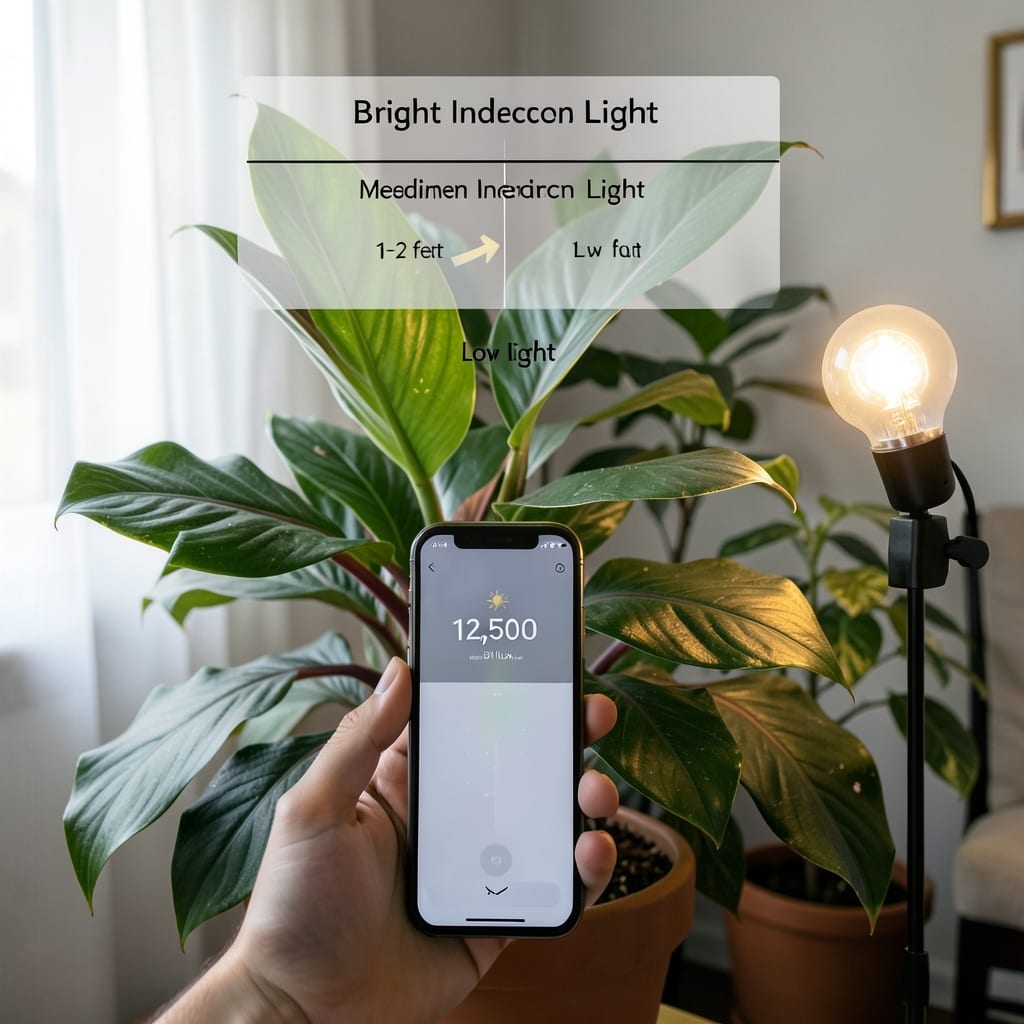
If your Philodendron 🌿 is struggling with yellow leaves or stretched-out vines, chances are it’s not getting how much light does a philodendron plant need—and fixing this could be simpler than you think. These adaptable plants thrive in conditions where fussy houseplants fail, but even they need the perfect balance to avoid common mistakes like over-exposure or under-stimulation.
Most Philodendron varieties do beautifully in low to bright indirect light, making them ideal for offices, bathrooms, or dim corners. The key is avoiding harsh direct sunlight, which can scorch delicate foliage, while ensuring they get enough gentle light to fuel steady growth. I’ll show you exactly how to spot the signs of light stress and adjust your care routine without guesswork.
Whether you’re dealing with a leggy Philodendron hederaceum or a glossy Philodendron micans, understanding their light needs is the first step to lush, vibrant growth. Let’s dive into the simple tweaks that’ll have your plant thriving in no time—no green thumb required.
From identifying the best spot in your home to troubleshooting common light-related issues, you’ll learn how to create the perfect environment for your Philodendron 🌿 to flourish. Ready to transform those sad stems into a thriving jungle corner?

Philodendron light requirements: the ideal spectrum for healthy growth
Philodendrons are masters of adaptability, thriving in spaces where other plants would struggle—but that doesn’t mean they can grow in complete darkness. The ideal light spectrum for these tropical vines falls between low to bright indirect light, with 2-4 hours of filtered sunlight daily being the sweet spot. Think of it as a gentle morning glow rather than harsh midday rays.
Direct sunlight acts like a sunburn for your plant, causing crispy brown edges or bleached patches on leaves. Meanwhile, too little light leads to leggy growth and pale, weak foliage. The key is replicating their natural understory habitat—dappled light through a canopy. If your home lacks natural light, don’t worry; we’ll cover grow light solutions later.
Most Philodendron varieties tolerate fluorescent lighting, making them perfect for offices or north-facing rooms. Even Philodendron hederaceum (heartleaf) and Philodendron micans (velvet leaf) can adapt to 10-20% sunlight intensity, but growth will slow without enough light. Let’s break down the exact conditions your plant needs to thrive.
To test your home’s light conditions, place a white piece of paper near your plant for a few hours. If the paper stays white, you’ve got low to medium light. If it yellows or warms up, it’s too bright. For Philodendron micans, which loves humidity, a bathroom with a window can be ideal—just keep it 3 feet away from direct light.
If your space lacks natural light, grow lights are a game-changer. LED full-spectrum bulbs (6,000-6,500K) mimic sunlight and should run for 12-14 hours daily. Position them 6-12 inches above the plant to avoid stretching. I’ve seen Philodendron hederaceum grow twice as fast under these conditions!
Pro tip: Rotate your plant quarter-turns every 2 weeks to ensure even growth. Uneven light exposure causes lopsided vines, and philodendrons hate that. Even in low light, they’ll reward you with glossy, healthy leaves if you keep their environment stable.
Remember, philodendrons are forgiving but not invincible. A little attention to light—whether natural or artificial—will keep them thriving for years. Next, we’ll tackle the telltale signs that your plant’s light needs aren’t quite right.
Signs your Philodendron isn’t getting enough (or too much) light
Your Philodendron might be silently begging for help—its leaves tell the story. Yellowing leaves often signal too much direct sun, while pale, stretched vines mean it’s craving more light. I’ve seen this happen with my own Philodendron hederaceum, and the fix was simpler than I expected: adjusting its spot and a few care tweaks.
Start by checking the leaf color. Healthy philodendron leaves are deep green with vibrant veins. If they’re turning yellow or brown along the edges, harsh sunlight is likely the culprit. On the flip side, light green or white leaves mean it’s not getting enough light to photosynthesize properly.
Another red flag? Leggy growth. When a philodendron stretches toward the light, it’s a clear sign it’s reaching for more. This happens when placed too far from a window or under artificial lights that aren’t bright enough. I once had a Philodendron micans that grew so tall it looked like a bamboo stalk—until I moved it closer to a north-facing window.
Here’s what to watch for: crispy brown patches on leaves mean sunburn, while slow growth or dropping leaves could signal low light. The key is balance—philodendrons thrive in bright indirect light, not harsh midday sun or dim corners.
⚠️ Warning Signs & Quick Fixes
- Yellow/brown leaf edges → Move to indirect light (e.g., sheer curtain filter).
- Pale, stretched vines → Rotate plant or place 2-3 ft from window.
- Crispy leaf tips → Reduce direct sun; use east-facing window instead.
- Dropping leaves → Check for underwatering + low light combo.
Pro Tip: Rotate your plant every 2-3 weeks for even growth—uneven light causes lopsided foliage!
If your philodendron is showing these signs, don’t panic. Start by moving it to a brighter spot (but avoid south-facing windows in hot climates). For low-light areas, a grow light on a timer can work wonders—just keep it 6-12 inches away to prevent leaf burn.
Remember, philodendrons are forgiving. Even if yours looks sad now, with the right light and a little patience, it’ll bounce back. My Philodendron Brasil went from leggy and sad to lush and bushy in just 4 weeks after I adjusted its light and water routine.
Now that you know what to look for, grab your plant and give it the perfect light spot—your Philodendron 🌿 will thank you with glossy, happy leaves!