
Light Requirements
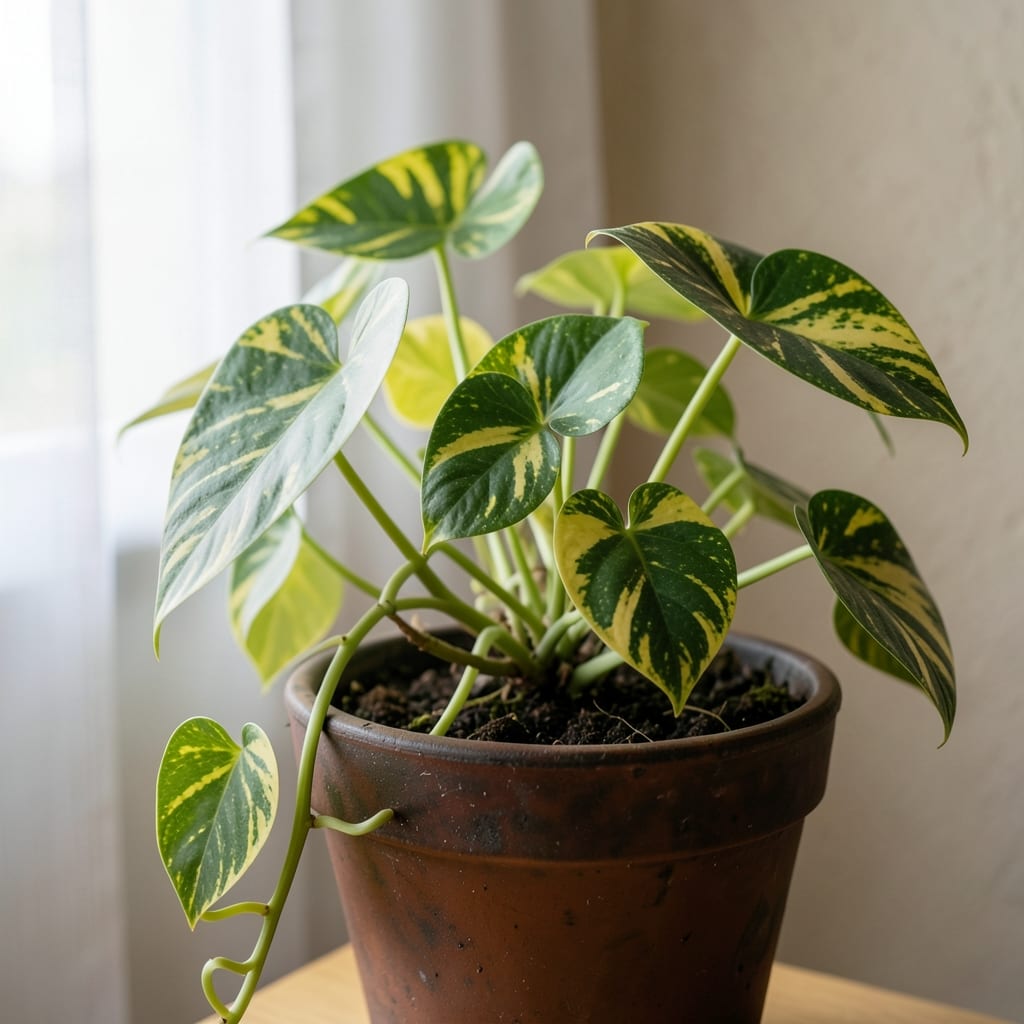
If you’re wondering how much light does a pothos plant need to thrive, the answer might be simpler than you think—light exposure is the unsung hero of happy houseplants. This hardy vine thrives in conditions most people overcomplicate, but getting it right means the difference between lush foliage and leggy, weak stems.
Here’s the truth: pothos plants are masters of adaptability, but they still need the right balance. Too little light, and they’ll stretch desperately toward any source, while too much direct sun can scorch their delicate leaves. The sweet spot? Bright indirect light—think east-facing windows or a few feet back from a south-facing one.
What makes this even better? You don’t need a greenhouse or fancy equipment to nail it. With just a few adjustments—like rotating your plant or choosing the right spot—you can transform that struggling 🌿 into a vibrant, fast-growing centerpiece. Let’s break down exactly how much light your pothos craves and how to give it what it needs without guesswork.
Whether you’re dealing with a sun-starved office plant or a windowsill that’s too harsh, these insights will help you create the perfect growing conditions. Ready to turn your pothos into the star of your space? Let’s get started.

Pothos light requirements: ideal brightness levels for healthy growth
Your pothos plant thrives in low to bright indirect light, making it perfect for offices or homes with limited sunlight. Too little light causes leggy growth (long stems with sparse leaves), while too much direct sun leads to brown leaf tips or crispy edges. The ideal spot balances brightness without harsh rays, like an east-facing window or a few feet from a south-facing window.
Pothos adapts well to artificial lighting too, especially LED grow lights placed 6-12 inches above the plant. These lights mimic natural bright indirect light and prevent the plant from stretching toward a single light source. For variegated pothos (with white/yellow patterns), slightly brighter conditions help maintain those striking colors—though they’re still forgiving.
Here’s how different light levels affect your pothos:
| Light Level | Effects on Pothos | Signs of Stress | Solution |
|---|---|---|---|
| Low Light (<30% brightness) | Slow growth, pale leaves, long stems | Leggy, sparse foliage | Move closer to a window or add grow lights |
| Ideal Bright Indirect (30-50%) | Healthy green leaves, compact growth, vibrant variegation | None (perfect conditions!) | Rotate plant weekly for even growth |
| Direct Sunlight (>50%) | Burned leaf edges, yellowing, crispy texture | Brown spots, wilting | Move to indirect light; trim damaged leaves |
The best windows for pothos are east-facing (gentle morning sun) or north-facing (no direct sun). West-facing windows can work if the plant is placed 3+ feet away to avoid afternoon heat. South-facing windows are riskier unless you use a sheer curtain to diffuse the light.
Variegated pothos varieties, like 'Golden' or 'Marble Queen', need slightly more light to keep their white or yellow patterns vibrant. If you notice the white parts turning green, it’s a sign the plant isn’t getting enough bright indirect light. In such cases, move it closer to a window or supplement with a 12-hour grow light daily.
Even in low-light conditions, pothos can survive—though growth will be slower. If your plant starts looking leggy (stems stretching toward the light), it’s begging for more brightness. A simple fix is to rotate the pot every week so all sides get even exposure, or place it near a bright indoor space like a kitchen or bathroom with indirect light.
Pro tip: If your pothos develops yellow leaves, check for overwatering first, but also consider if it’s getting too much direct sun. Yellowing near the edges often signals sunburn, while yellowing at the base may mean root rot from overwatering in low light. Adjust care based on the pattern!
For maximum leaf production, aim for 4-6 hours of bright indirect light daily. This keeps your pothos lush, compact, and full of those iconic heart-shaped leaves. If you’re unsure about your space’s light levels, a light meter app (like "Light Meter" for smartphones) can help you measure brightness in foot-candles—ideal levels are 200-500 foot-candles.
Remember, pothos is famously forgiving, so even if you misjudge the light at first, it’ll recover with minor adjustments. Start with medium indirect light, observe your plant’s response, and tweak as needed. Your pothos will thank you with glossy, happy leaves!
Pothos light requirements: ideal brightness levels for healthy growth
Pothos plants thrive in low to bright indirect light, making them one of the most adaptable houseplants. The key is finding the right balance—too little light causes leggy growth, while too much can scorch those beautiful heart-shaped leaves. Most Pothos varieties prefer 10-50% sunlight, which translates to bright spots without harsh rays.
Think of your Pothos’ ideal spot as near an east-facing window or a few feet from a north-facing one. These locations provide gentle, diffused light that keeps your plant happy. South-facing windows can work too, but only if your Pothos is placed at least 6 feet away to avoid direct sunburn.
Here’s how to match light levels to your Pothos’ needs:
| Light Level | Ideal Placement | Leaf Color Impact | Signs of Stress |
|---|---|---|---|
| Low Light (10-20%) | North-facing window or 8+ feet from a window | Darker green leaves, less variegation | Leggy stems, sparse leaves |
| Medium Light (20-40%) | East or west-facing window, 3-6 feet away | Balanced green/yellow variegation | Healthy, compact growth |
| Bright Indirect (40-50%) | South-facing window, 6+ feet away or with sheer curtain | Vibrant variegation, lush leaves | Brown tips (if too much direct sun) |
Notice how the variegation (those stunning yellow or white patterns) fades in low light? That’s your Pothos telling you it needs a brighter spot. Conversely, crispy brown edges or bleached patches mean you’ve moved it too close to direct sunlight. The goal is to keep leaves soft, flexible, and uniformly colored.
Pro tip: Rotate your Pothos quarter-turn weekly to ensure even growth. Plants naturally lean toward light sources, so this simple habit keeps them balanced and bushy. If your home lacks natural light, a 12-hour LED grow light can mimic sunlight perfectly—just place it 6-12 inches above the plant.
Remember, Pothos are survivors. Even if your home is dim, they’ll adapt—but their growth rate and leaf vibrancy will suffer. For the healthiest plant, aim for medium indirect light and watch it reward you with rapid, lush growth. 🌿