
Plants
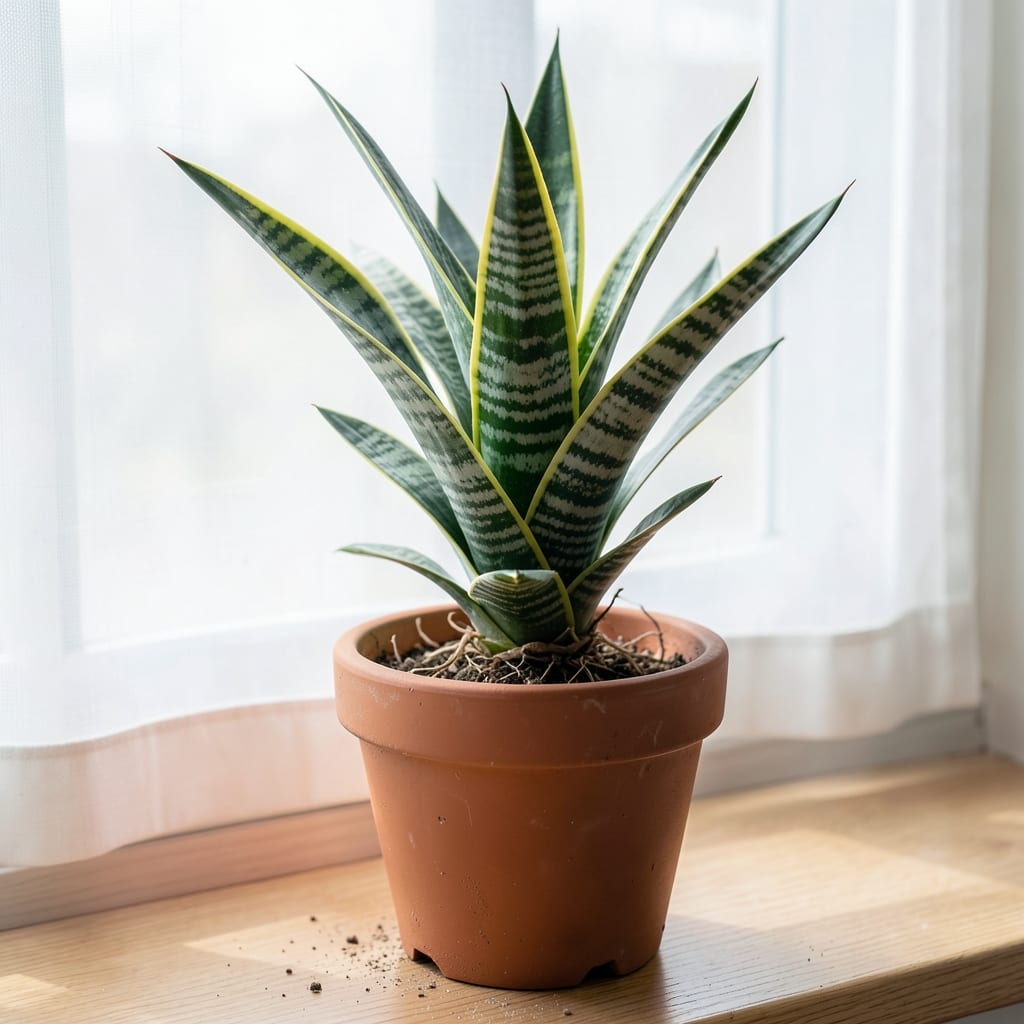
If you're wondering how much light does a rattlesnake plant need, the answer lies in giving it the right balance—bright but indirect sunlight is the golden rule. This stunning foliage plant thrives under those conditions, but too much direct light or too little can leave it looking sad with droopy leaves or faded patterns.
The key to keeping your rattlesnake plant happy lies in understanding its natural habitat preferences. Unlike sun-loving plants, this beauty prefers the dappled light of a forest understory—think east or west-facing windows where the sun's rays are gentle but plentiful. Too much harsh midday sun will scorch those gorgeous leaves, while too little light means you'll miss out on seeing its signature velvety patterns truly shine.
I've seen firsthand how a simple adjustment in placement can transform a struggling plant into a lush, vibrant centerpiece. Whether you're dealing with a bright living room or a dim corner, we'll cover exactly how to create the perfect light environment for your rattlesnake plant—no guesswork required.
From identifying signs of light stress to seasonal adjustments, you'll learn the game-changer tips that make all the difference. Let's get your rattlesnake plant basking in the ideal conditions it deserves.


Optimal light requirements for rattlesnake plants: bright indirect sunlight explained
Your rattlesnake plant (Calathea orbifolia) thrives under bright indirect sunlight, mimicking its natural understory habitat. This means it needs moderate light intensity—enough to showcase its stunning patterns but never harsh direct rays that can scorch those delicate leaves. Think of it like a forest floor plant that gets filtered light through the canopy.
The ideal spot is near an east or west-facing window, where morning or late afternoon sun gently illuminates the leaves without the intensity of midday. North-facing windows also work well, though you might need to supplement with artificial light during shorter winter days. South-facing windows can be too harsh unless you use a sheer curtain to diffuse the light.
Here's the light intensity scale your rattlesnake plant prefers: 40-60% of full sunlight. This translates to about 4-6 hours of bright indirect light daily. Too little light, and the leaves will lose their vibrant patterns and grow pale. Too much direct sun, and you'll see brown crispy edges or bleached patches on the foliage.
One of my favorite tricks is placing the plant 2-3 feet away from the window. This distance provides enough light without exposing it to direct rays. If you notice the leaves developing yellow patches, it's a sign of too much direct sun—move it further back immediately.
For indoor growers, pay attention to the seasonal light changes. During summer, when days are longer, your rattlesnake plant might handle slightly more light, but always avoid placing it in a spot where it gets more than 2 hours of direct sun. In winter, when natural light is weaker, you may need to rotate the pot quarter-turns weekly to ensure even growth.
If you're unsure whether your current spot is ideal, watch for these tell-tale signs: Slow growth or smaller leaves mean it needs more light, while drooping leaves or brown tips indicate too much intensity. Your plant will thank you with bold, velvety patterns that truly stand out.
| Light Requirement | Specification | Ideal Placement |
|---|---|---|
| Light Intensity | Bright indirect (40-60%) | East/west window, 2-3 ft away |
| Daily Light Hours | 4-6 hours | Morning or late afternoon sun |
| Direct Sun Tolerance | 0-2 hours max | Use sheer curtains for south windows |
| Low Light Signs | Pale leaves, slow growth | Move closer to light source |
| Too Much Sun Signs | Brown crispy edges | Relocate to indirect light |
When setting up your rattlesnake plant's light environment, consider the room's natural light patterns. For example, a kitchen with south-facing windows might be too intense, while a north-facing bedroom could be too dim. My solution? I place a reflective surface, like a white shelf, behind the plant to bounce extra light onto the leaves without direct exposure.
If you're dealing with artificial lighting, opt for a full-spectrum LED grow light placed about 12-18 inches above the plant. These lights mimic natural sunlight and can help during winter months when days are shorter. Aim for 12-14 hours of light daily if using artificial sources, but always keep the light on a timer to maintain a natural day-night cycle.
Remember, your rattlesnake plant's leaf patterns are its crowning glory, and proper light is what makes them pop. With the right conditions, you'll be rewarded with deep green leaves adorned with striking patterns that make this plant a true showstopper in any room.
How to adjust light conditions for different seasons and climates
Seasonal changes can dramatically shift the amount of light your rattlesnake plant receives, and without adjustments, you might find its leaves losing their luster or even developing brown patches. For example, during summer months, the sun's intensity increases, which means you'll need to provide more shade protection than in winter. I've found that moving my rattlesnake plant a few feet away from the window during peak afternoon sun can make all the difference in preventing leaf scorch.
In winter, when natural light is scarce, you might notice slower growth or duller foliage. This is your cue to supplement with artificial light if needed. A simple grow light placed 12-18 inches above the plant for 6-8 hours a day can mimic the brighter conditions it craves. I use a basic LED grow bulb on a timer to keep things consistent without overdoing it.
Climate also plays a role—humid tropical environments naturally provide the bright indirect light rattlesnake plants love, while dry indoor settings might require extra attention. If you live in a region with harsh winters, consider placing your plant near a south-facing window during colder months to maximize available light. However, always use sheer curtains to diffuse any direct rays.
For those in high-altitude areas, UV exposure can be more intense, so monitoring your plant's response is key. If you notice crispy edges or yellowing, it's time to back off and provide more shade. I’ve seen rattlesnake plants thrive in high-altitude greenhouses with adjustable shade cloths—something worth considering if you're dealing with extreme conditions.
🌱 Seasonal Light Adjustments for Rattlesnake Plants
- Spring: Gradually introduce more light as days lengthen; avoid sudden exposure to strong sun.
- Summer: Provide afternoon shade to prevent leaf burn; rotate plant weekly for even growth.
- Fall: Increase light exposure to compensate for shorter days; supplement with grow lights if needed.
- Winter: Place near brightest window or use grow lights for 6-8 hours daily to maintain health.
If you're dealing with low-light conditions, like in a north-facing room, don’t despair. Rattlesnake plants can adapt, but their foliage patterns may fade. To counteract this, I recommend using reflective surfaces like mirrors or white walls to bounce light toward the plant. Even a simple aluminum foil-lined box behind the pot can help redirect light and improve growth.
For those in dry climates, maintaining humidity is just as important as light. A humidifier near the plant or a pebble tray filled with water can help recreate the tropical conditions it prefers. I’ve noticed my rattlesnake plants respond better to light adjustments when humidity levels stay above 50%. Pairing proper light with consistent moisture keeps those stunning patterns vibrant year-round.