
Companion Plants
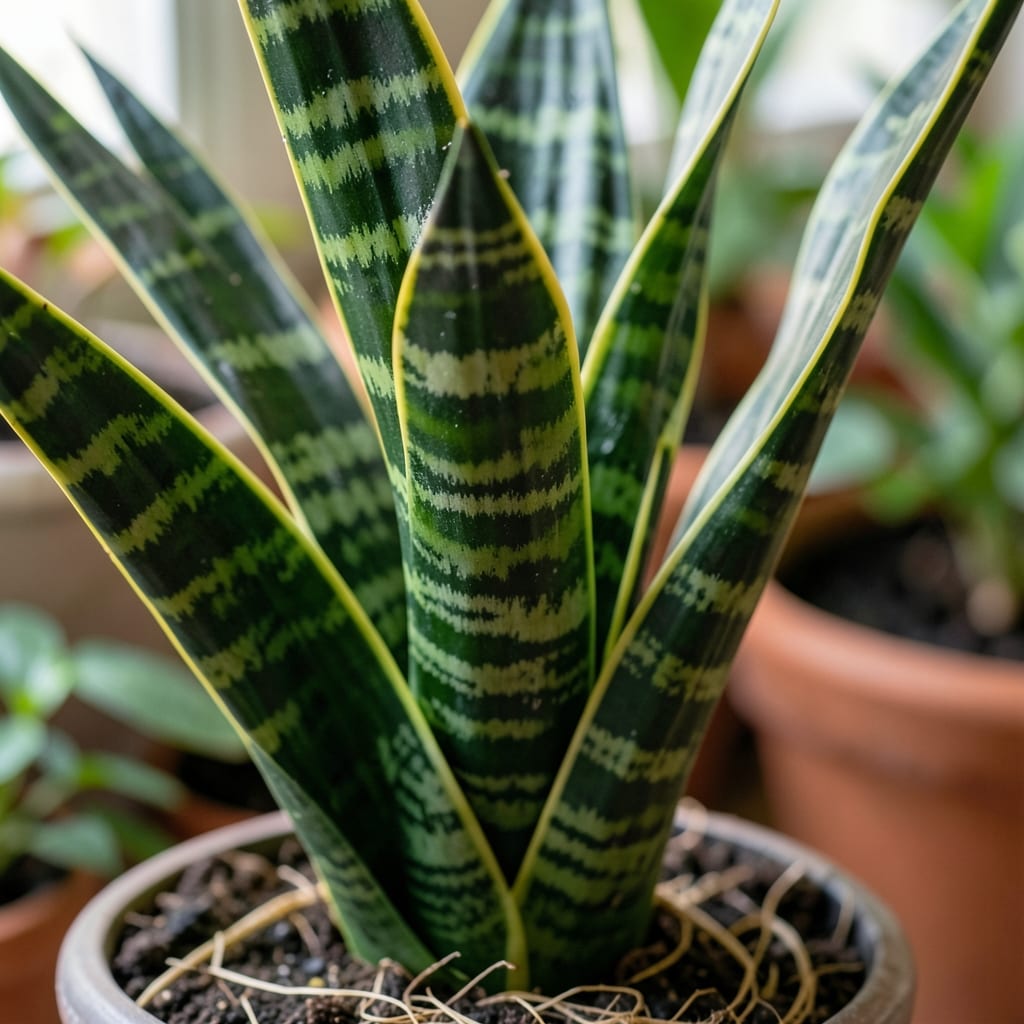
If you're asking "how much light does a snake plant require", you're already on the right track—because this one factor makes the difference between a thriving 🌱 and a struggling one. Snake plants are famously resilient, but even they need the right balance of light to stay happy, especially in low-light spots like offices or dim corners.
Most people assume these plants can handle anything, but too little light leads to weak, stretched leaves, while too much direct sun can scorch their edges. The good news? Snake plants thrive in low to bright indirect light, making them perfect for almost any room. Let’s break down exactly what your plant needs—and how to spot when it’s getting it wrong.
Whether you’re dealing with a north-facing window or a shadowy bathroom, I’ll show you how to adjust placement for optimal growth. You’ll also learn how to fix common light-related issues, like yellowing or brown tips, so your snake plant stays lush and healthy year-round.
Ready to give your plant the perfect light setup? Let’s dive into the details so you can keep your 🌱 looking its best with minimal effort.

Ideal light conditions for snake plants: low to bright indirect sun explained
Snake plants (Sansevieria) are famous for their adaptability, but their light needs still require attention. Unlike sun-loving succulents, they thrive in low to bright indirect light, making them perfect for offices, bedrooms, or homes with limited sunlight. Understanding these light ranges will help you avoid common issues like yellowing leaves or leggy growth.
Most snake plants do best with 2-6 hours of indirect light daily. This means placing them near a window but not in direct sunlight, especially during peak hours (10 AM–4 PM). Their ability to tolerate low light is one reason they’re called the "mother-in-law’s tongue"—they survive where other plants fail. However, pushing them into direct sunlight can scorch their leaves.
Low light (e.g., north-facing windows or rooms without windows) slows growth but won’t kill your plant. Bright indirect light (e.g., east or west-facing windows with sheer curtains) encourages lush, upright foliage. The key is balance—too little light weakens the plant, while too much causes stress.
| Light Type | Description | Ideal Placement | Signs of Stress |
|---|---|---|---|
| Low Light | <2 hours indirect light | North-facing windows, offices, hallways | Slow growth, pale leaves, weak stems |
| Medium Light | 2-4 hours indirect light | East/west windows, 3-5 ft from south window | Healthy upright leaves, steady growth |
| Bright Indirect | 4-6 hours indirect light | 1-3 ft from east/west window, filtered south light | Dark green leaves, compact growth |
| Direct Sun | >6 hours direct light | South-facing windows without curtains | Brown patches, crispy edges, sunburn |
If your snake plant shows signs of light stress, like brown tips or stretched leaves, it’s time to adjust its location. For example, a leggy snake plant (long, thin leaves) needs more light, while yellowing leaves may indicate too much sun or overwatering. Rotate the pot every few weeks to ensure even growth, especially if placed near a single window.
For indoor growers, artificial grow lights (LED or fluorescent) can supplement low light. Place the light 6-12 inches above the plant for 12-14 hours daily. This mimics natural light cycles and prevents etiolation (stretching) during winter months when daylight is scarce.
Outdoor snake plants can handle partial shade but avoid harsh afternoon sun. In USDA Zones 9-11, they thrive in filtered sunlight under trees or on shaded patios. Mulching with gravel or bark helps regulate soil temperature, reducing heat stress.
Pro tip: Compare your snake plant’s light needs to other low-light plants like pothos or ZZ plants. While snake plants tolerate dimmer conditions, they’ll reward you with darker, fuller leaves in brighter indirect light. Test different spots in your home—your plant will thank you with vibrant, healthy growth!
Remember, snake plants are forgiving, but consistency is key. Once you find the sweet spot in your space, you’ll have a low-maintenance green thumb that requires minimal effort but delivers maximum air-purifying benefits.
How to adjust your snake plant’s light exposure for different environments
Adjusting your snake plant’s light exposure depends entirely on where you place it. Unlike high-maintenance plants, snake plants are flexible—but that doesn’t mean you should ignore their needs. In a north-facing window, for example, your plant will thrive with 2-4 hours of filtered morning light, while a south-facing window might require moving it back 3-4 feet to avoid harsh afternoon rays. The key is observing how your plant reacts to its current spot.
If your home has low-light conditions (like a basement or office far from windows), your snake plant will still survive—but it may grow slower and develop longer, thinner leaves. In these cases, supplement with a grow light for 4-6 hours daily to mimic natural brightness. Even a simple LED bulb can make a difference without scorching the leaves.
For bright indirect light (ideal for most homes), position your plant within 1-3 feet of an east or west-facing window. This balance prevents the yellowing or crispy edges that come from too much direct sun. Rotate the pot quarter-turns every 2-3 months to ensure even growth and prevent leaning toward the light source.
Seasonal changes also affect your snake plant’s light needs. During winter months, shorter daylight hours mean your plant may need a slightly brighter spot or supplemental light. Conversely, in summer, if you notice brown tips or sunburn, move it to a shadier area or use a sheer curtain to diffuse the light. Pay attention to your plant’s leaf color—rich, deep green means it’s happy, while pale or yellowing leaves signal a light adjustment is needed.
Pro tip: Place your snake plant near a white or light-colored wall to naturally reflect more light onto its leaves. This DIY trick can boost brightness by up to 30% without extra equipment. For offices or bathrooms with minimal light, group your snake plant with other low-light-tolerant plants like ZZ plants or pothos to create a micro-environment that supports growth.
Remember, snake plants are forgiving—but they’re not invincible. If you notice your plant stretching toward the light or developing weak, pale leaves, it’s time to reassess its placement. With these adjustments, your snake plant will stay lush, upright, and thriving year-round—no matter where you put it. 🌱