
Light Requirements
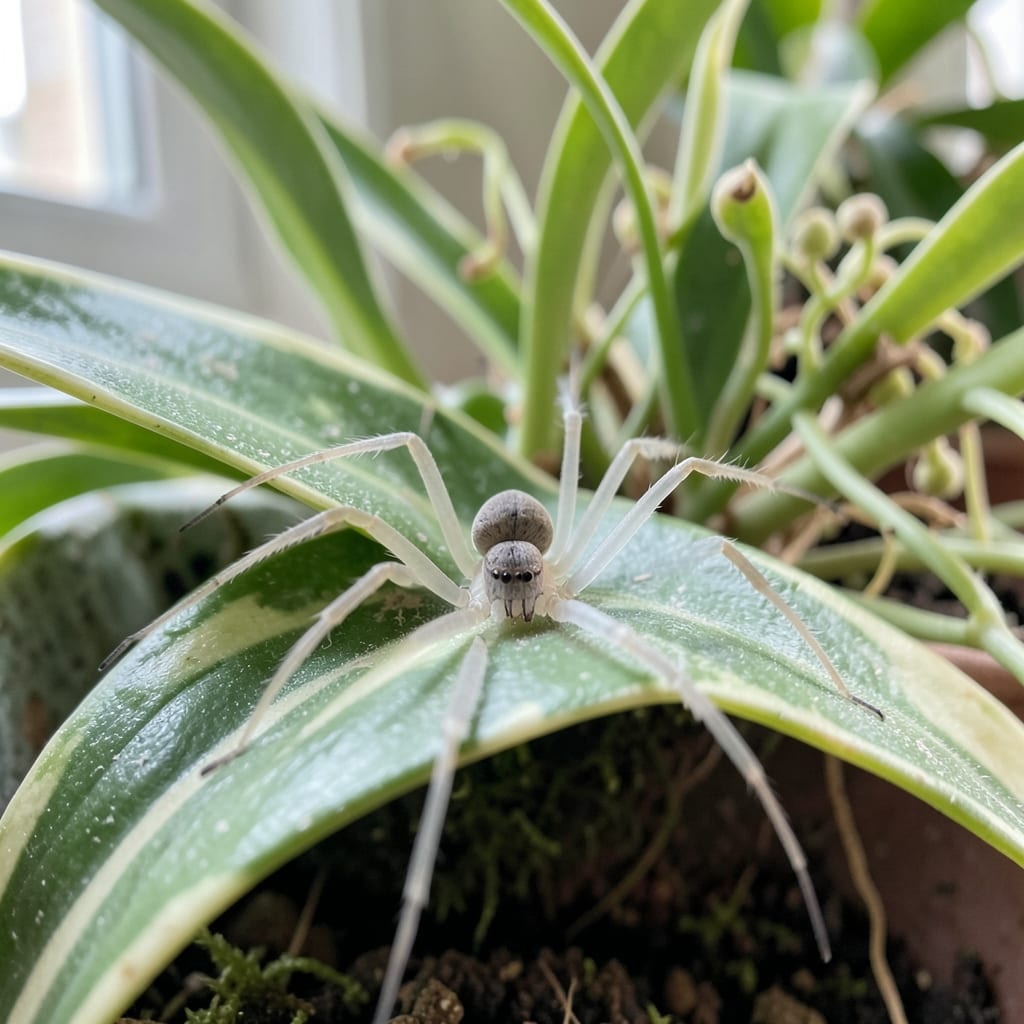
If you’re wondering how much light does a spider plant need indoors, the answer might be simpler than you think—it’s all about finding the right balance. Too little, and your plant stretches weakly; too much, and those pretty stripes fade or crisp at the edges. The sweet spot? Bright indirect light that mimics its natural understory habitat without scorching it.
I’ve watched mine transform from leggy shadows to vibrant, bushy plants just by tweaking their spot. The key isn’t blinding sunlight—it’s finding that cozy middle ground where leaves stay plump and variegation pops. Let’s break down exactly where to place yours for healthy, happy growth, whether you’ve got a sun-drenched kitchen or a dim corner office.
You might assume north-facing windows are the only safe bet, but east or west exposure can work too—if you know the tricks. I’ll show you how to spot the signs of over- or under-lighting (those brown tips or pale streaks are dead giveaways) and how to adjust without guessing. Ready to give your plant the perfect glow?
No harsh midday sun, no shadowy neglect—just the ideal balance for a thriving Spider Plant that’ll reward you with those signature striped leaves year-round. Let’s get started.

Spider plant light requirements: the perfect balance between brightness and indirect sun
Spider plants (Chlorophytum comosum) thrive in bright indirect light, mimicking their natural habitat under forest canopies. This means they need plenty of ambient light—but never direct sun, which can scorch their delicate leaves. Think of it like a cozy reading nook: enough light to see clearly, but no harsh overhead glare.
The key is understanding the light spectrum your plant needs. Spider plants fall into the medium to bright indirect light category, which translates to about 4-6 hours of gentle sunlight per day. Too little light leads to leggy growth and pale leaves, while too much causes brown tips and faded variegation. I’ve seen this firsthand—my own spider plant went from a lanky shadow to a bushy beauty once I moved it to the right spot.
Here’s how to decode your home’s lighting: North-facing windows provide the safest, most consistent indirect light, while east-facing windows offer morning sun that’s gentle enough. West-facing windows can work in cooler months, but avoid placing your plant where it gets hot afternoon rays. South-facing windows? Those are a no-go unless you’re using sheer curtains to diffuse the light.
If you’re unsure about your space, start by observing the light levels. Hold your hand near potential spots—if you can read a book comfortably without straining, it’s likely bright enough for your spider plant. If the room feels dim even during the day, you’ll need to supplement with grow lights (more on that later).
One of the first signs your spider plant isn’t getting enough light is leggy growth—long, sparse stems with leaves spaced far apart. This is your plant stretching toward any available light source, like a sunflower reaching for the sky. The fix? Rotate the pot quarter-turn weekly to encourage even growth, and consider moving it to a brighter spot. If that’s not possible, grow lights are a game-changer.
On the flip side, over-exposure shows up as brown tips or bleached patches on the leaves. This happens when direct sunlight hits the plant, especially in hot afternoon hours. If you notice these symptoms, move your spider plant further from the window or add a sheer curtain to diffuse the light. I’ve had to do this with my own plant during summer—those west-facing windows can be brutal!
Pro tip: Pay attention to the variegation on your spider plant’s leaves. Healthy plants have bold white or yellow stripes that stand out against the green. When light levels drop, those stripes fade, and the leaves turn uniformly green. This is your plant’s way of saying, “I need more light to keep my patterns sharp!”
For those with low-light homes, don’t despair. Spider plants are surprisingly adaptable. They can survive in low-light conditions for months, though they’ll grow slower and produce fewer offsets. If you’re in this situation, supplemental grow lights (like LED panels) can make all the difference. Aim for 12-14 hours of light daily to keep your plant thriving, even in a dim office or basement.
Remember, the goal is to mimic the dappled shade of a forest floor. Your spider plant doesn’t need to bask in the sun—it just needs enough light to photosynthesize happily. With the right balance, you’ll reward yourself with a lush, offset-producing powerhouse that’s the envy of every plant lover. 🌱
Best indoor locations for spider plants: where to place them for optimal growth
Finding the perfect spot for your spider plant isn’t just about windows—it’s about understanding how different rooms in your home provide varying light conditions. I’ve tested this with my own plants in the kitchen, bathroom, and living room, and the results speak for themselves. The brightest indirect light typically comes from east or north-facing windows, while west-facing spots can work in cooler months with careful placement.
For east-facing windows, your spider plant will get gentle morning sunlight that’s ideal for growth without the risk of afternoon heat. This is my top recommendation because it provides consistent 4-6 hours of light while avoiding the harsh afternoon sun. Place your plant 1-3 feet away from the window to ensure the light is diffused naturally. If you notice the leaves stretching toward the window, it’s a sign you need to move it closer.
West-facing windows can be tricky because they offer intense afternoon light, especially in summer. If you must place your spider plant here, position it at least 3 feet away from the window or use a sheer curtain to filter the light. I’ve had to adjust my own plant’s location multiple times during summer—those golden hours can turn from beneficial to damaging in minutes. Watch for brown tips as your first warning sign.
For south-facing windows, direct sunlight is almost always too harsh unless you’re using heavy diffusers or placing the plant in a spot where it only gets filtered light. If your home has large south windows, consider placing your spider plant on a side table or shelf rather than directly on the windowsill. The goal is to replicate the dappled shade of its natural habitat, not expose it to full sun.
Don’t overlook bathrooms as potential spots! Many people assume bathrooms are too humid, but spider plants actually thrive in the steady moisture levels they provide. Just ensure the area gets some indirect light—even a small window or a grow light can make all the difference. I’ve kept a thriving spider plant in my bathroom for years by placing it near the shower window with supplemental lighting.
If your home lacks natural light, don’t give up—grow lights are a game-changer. LED grow lights designed for houseplants can provide the 12-14 hours of light your spider plant needs daily. Place the light 6-12 inches above the plant and keep it on for 10-12 hours during the day. This setup works wonders in basements, offices, or north-facing rooms