
Light Requirements
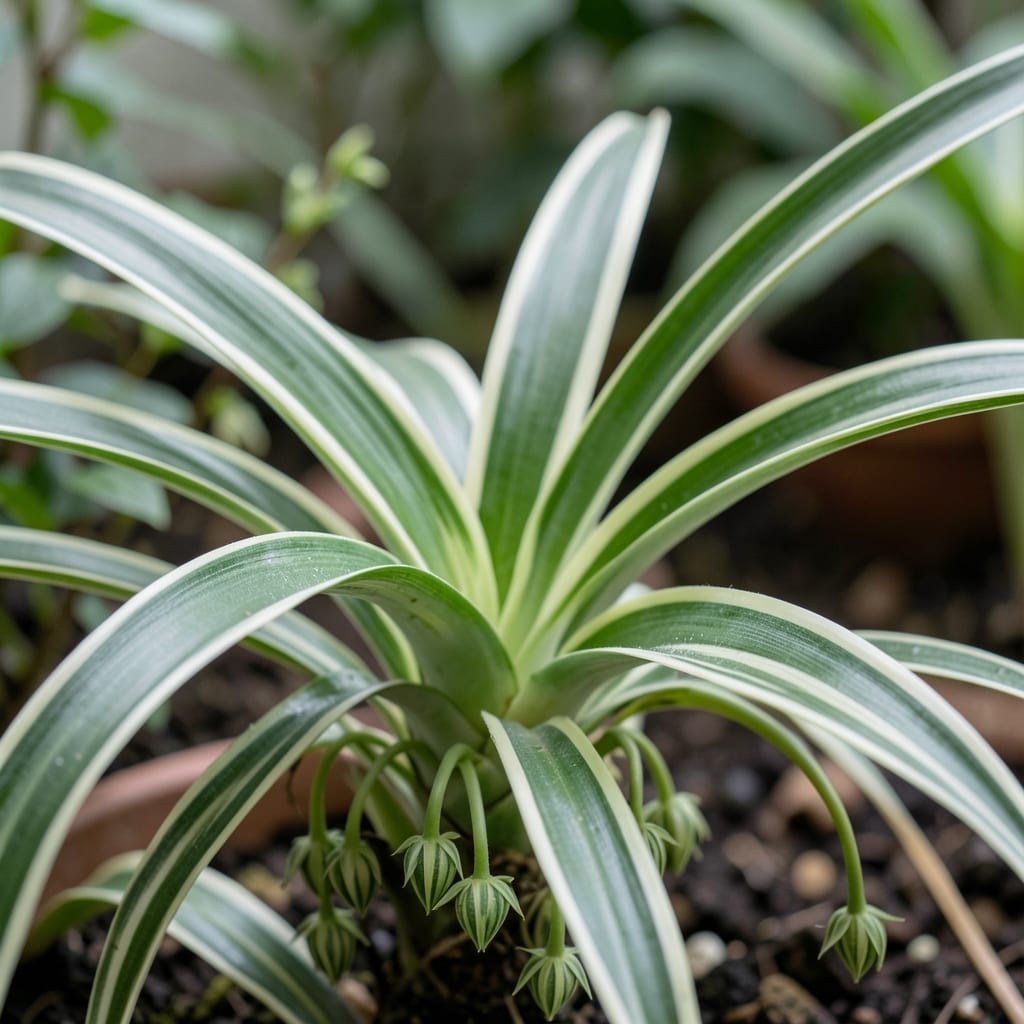
Spider plant light requirements: the ideal spectrum from low to bright indirect sun
Spider plants (Chlorophytum comosum) are famous for their adaptability, but they still need the right light conditions to thrive. Unlike sun-loving plants, spider plants prefer bright indirect light—think dappled sunlight through sheer curtains or filtered light from an east-facing window. Too much direct sun can scorch their leaves, while too little light slows growth and dulls their variegated patterns.
Most spider plants tolerate low to medium light, making them perfect for offices or dimly lit rooms. However, for the healthiest growth and vibrant foliage, aim for 4-6 hours of bright indirect light daily. If your plant is struggling, observe its leaves: pale or stretched-out leaves mean it needs more light, while brown or crispy edges signal too much sun.
| Light Level | Ideal Conditions | Growth Impact |
|---|---|---|
| Low Light | North-facing windows, artificial grow lights, or rooms with minimal natural light | Slow growth, pale leaves, fewer spiderettes |
| Medium Light | East or west-facing windows, 2-3 feet from a window | Healthy growth, vibrant variegation, moderate spiderette production |
| Bright Indirect Light | Filtered sunlight (e.g., sheer curtains), 4-6 hours daily | Optimal growth, lush foliage, frequent spiderettes |
| Direct Sun | South-facing windows without shade, afternoon sun | Brown tips, crispy leaves, sunburn |
For baby spider plants or newly propagated cuttings, start with medium light to avoid shocking their delicate roots. As they mature, gradually increase light exposure to bright indirect to encourage robust growth. If your plant is in a low-light environment, supplement with a 12-hour grow light (LED or fluorescent) to mimic natural daylight cycles.
Outdoor spider plants can handle morning sun but should be moved to shade by midday. In containers, rotate the pot every few weeks to ensure even light exposure, preventing lopsided growth. A south-facing patio with afternoon shade is ideal for outdoor placement, especially in hot climates.
Variegated spider plants (with white or yellow stripes) need slightly more light than solid-green varieties to maintain their striking patterns. If the variegation fades or turns green, it’s a sign the plant isn’t getting enough bright indirect light. Move it closer to a window or add a grow light to revive its color.
Pro tip: Use a light meter app (like "Light Meter" for smartphones) to measure foot-candles in your plant’s location. Spider plants thrive in 1,000-2,000 foot-candles of light. If readings are below 1,000, supplement with artificial light to prevent leggy growth.
Even the hardiest spider plants can suffer from light stress if conditions change abruptly. For example, moving a plant from a shady corner to a sunny windowsill overnight can cause leaf burn. Acclimate your plant by gradually increasing light exposure over 1-2 weeks to avoid shock.
Remember, spider plants are forgiving, but consistency is key. Monitor your plant’s response to its lighting conditions and adjust as needed. With the right balance, your spider plant will reward you with lush, arching leaves and those adorable baby spiderettes year-round.
Signs your spider plant isn’t getting enough (or too much) light
Your spider plant’s leaves tell a story—pay attention to their color, texture, and growth patterns to diagnose light issues. One of the first signs of insufficient light is leggy growth, where stems stretch upward in search of more brightness. You’ll also notice pale or yellowing leaves, especially on older foliage, as the plant struggles to produce enough chlorophyll. Variegated varieties may lose their striking stripes, turning entirely green as they prioritize survival over aesthetics.
On the flip side, too much direct sunlight causes brown or crispy leaf tips, a classic sign of sunburn. These edges may appear dry and brittle, while the rest of the leaf stays green. In severe cases, entire leaves can curl or wilt, especially in hot afternoon sun. If you spot these symptoms, your spider plant is begging for shade—move it to a spot with filtered light or sheer curtains to protect its delicate foliage.
⚠️ Warning: Light Stress Symptoms
Not enough light: Stretched stems, sparse foliage, pale leaves, fewer spiderettes
Too much light: Brown crispy tips, curled leaves, sunburn patches, slowed growth
Solution: Adjust placement or use grow lights to balance exposure
Weak stems or floppy leaves can also indicate light deprivation, as the plant struggles to support its own weight without proper energy from sunlight. If your spider plant’s leaves are smaller than usual or growing closer together, it’s likely not getting enough light to fuel its growth. These compact leaves are a survival mechanism, not a sign of health. To encourage fuller growth, relocate your plant to a brighter spot or supplement with a 12-hour grow light.
Another red flag is reduced spiderette production. Healthy spider plants produce those adorable baby plants (spiderettes) as a way to propagate, but low light slows this process. If you’ve gone months without seeing new growth at the ends of long stems, your plant may need more light to trigger flowering and reproduction. Even a few extra hours of bright indirect light can jumpstart this process.
For variegated spider plants, fading patterns are a clear cry for help. When the white or yellow stripes disappear, turning entirely green, it’s a sign the plant is struggling to maintain its variegation without sufficient light. This isn’t permanent—simply move your plant to a brighter location, and over time, the variegation should return as the plant adjusts. Just be patient; it may take a few weeks for the colors to reappear.
If you’re unsure whether your spider plant’s symptoms stem from light issues, rule out other problems first. Overwatering or underwatering can mimic light-related stress, so check the soil moisture before adjusting light exposure. Once you’ve confirmed the issue is lighting-related, act quickly: spider plants recover well when given the right conditions, but prolonged stress can weaken the plant over time.
Pro tip: Keep a plant journal to track changes in your spider plant’s appearance and its location. Note when you move it, how the leaves respond, and any new growth. This simple habit helps you identify the perfect light balance for your specific plant and environment. With a little observation, you’ll become a spider plant whisperer—able to diagnose and fix light issues before they become serious problems.