
How To
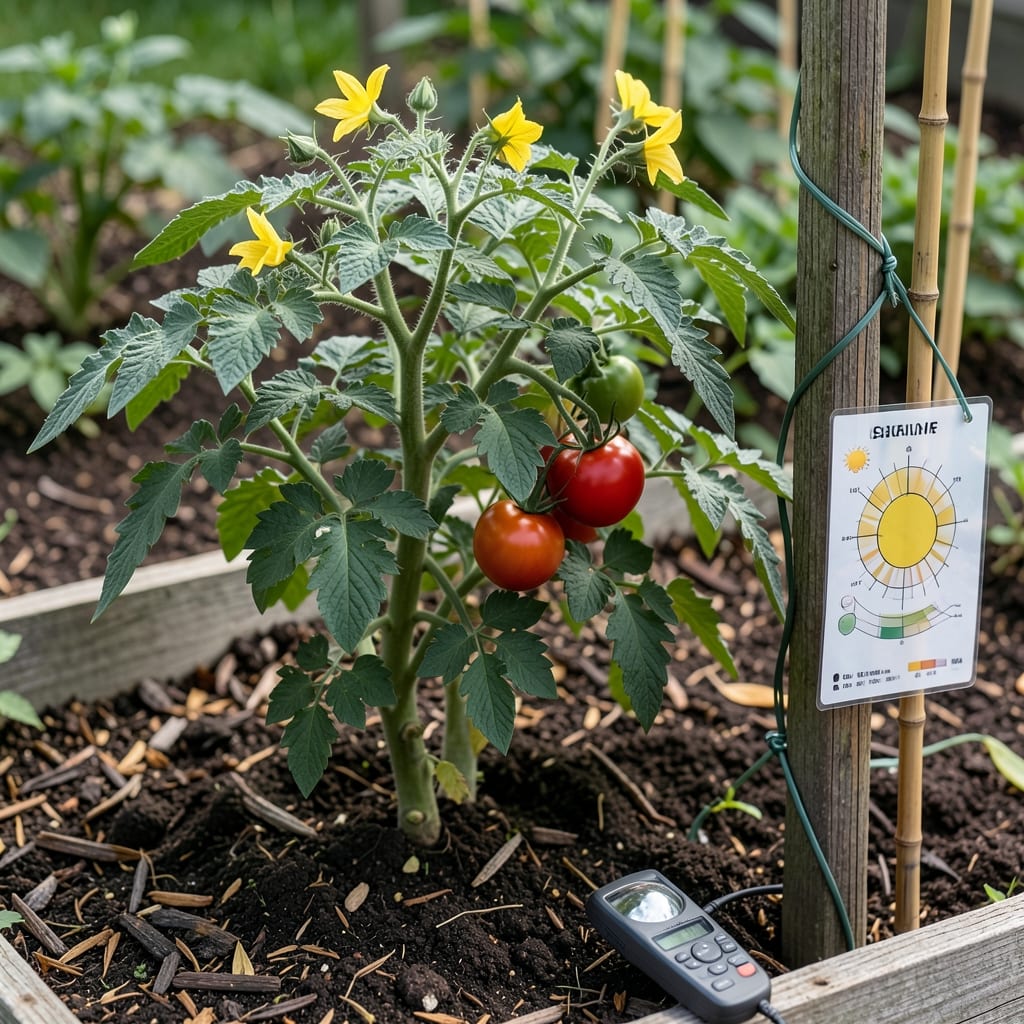
If you’re wondering how much light a tomato plant needs to thrive—or why yours is struggling to produce fruit—you might be missing the most critical factor: sunlight. The right amount of light isn’t just about keeping your plants alive; it’s the secret weapon for bigger yields, juicier tomatoes, and stronger vines that can handle heat and pests.
Most gardeners assume tomatoes need "lots" of sun, but 6 to 8 hours of direct sunlight per day is the sweet spot—and falling short can lead to leggy stems, weak flowers, or even no fruit at all. Whether you’re growing in a backyard garden, containers, or even indoors, understanding how light affects each stage of growth (from seedlings to ripe tomatoes) is the difference between a disappointing harvest and a bounty you’ll brag about.
Here’s the kicker: too much sun can scorch leaves, while too little leaves your plants stretching desperately toward any light source. I’ll break down exactly how to strike the perfect balance, plus creative hacks for maximizing sunlight in shady spots, small spaces, or even urban balconies. Let’s turn your tomato dreams into reality—starting with the light.
Ready to transform your garden? You’ll learn how to spot light-related problems early, adjust your setup for peak performance, and troubleshoot common mistakes that keep tomatoes from thriving. No more guesswork—just science-backed sunlight strategies that work for your climate and growing style.

Optimal sunlight hours for tomato plants: the science behind 6-8 hours of direct sun
Tomatoes are sun-worshippers, and their fruit production depends entirely on getting enough direct sunlight. While most varieties thrive with 6–8 hours of sunlight daily, some heat-tolerant types can handle up to 10+ hours—especially in cooler climates. The key lies in balancing light exposure with temperature to avoid stressing your plants.
Sunlight fuels photosynthesis, the process that converts light energy into sugars for growth and fruit development. Without enough light, your tomatoes will struggle to set flowers, let alone produce juicy, flavorful fruits. Even partial shade can reduce yields by up to 50%, so positioning is everything.
Here’s how sunlight needs shift through a tomato’s lifecycle: - Seedlings: Start with 4–6 hours of indirect light to prevent legginess. - Flowering stage: Bump up to 6–8 hours of direct sun to encourage pollination. - Fruiting stage: Maintain 8+ hours for optimal sugar development and color.
Regional adjustments matter too. In northern climates (like USDA Zone 4), early-season tomatoes may need extra protection from intense afternoon sun, while southern gardens (like Zone 9) can benefit from afternoon shade during peak summer heat.
| Growth Stage | Sunlight Needs | Consequences of Too Little | Consequences of Too Much |
|---|---|---|---|
| Seedlings | 4–6 hours (indirect) | Leggy, weak stems | Sunburn on tender leaves |
| Vegetative Growth | 6–8 hours (direct) | Slow growth, pale leaves | Stunted growth from heat stress |
| Flowering/Fruiting | 8+ hours (direct) | Poor fruit set, small tomatoes | Blossom drop from heat |
Tomatoes also need consistent light exposure. Sudden shade shifts—like moving plants from full sun to partial shade—can cause blossom end rot or poor fruit development. If your garden has morning sun and afternoon shade, opt for determinate varieties (like Roma or Celebrity) that tolerate shorter daylight better.
For container growers, place pots in the sunniest spot possible, even if it means moving them throughout the day. South-facing windowsills or balconies work well, but ensure your tomatoes get at least 6 hours of direct light—even on cloudy days.
In low-light conditions, supplement with LED grow lights (12–16 hours/day) to mimic natural sunlight. Place lights 6–12 inches above the plants and adjust as they grow. Avoid incandescent bulbs, which generate too much heat and can scorch leaves.
Pro tip: Monitor your tomatoes’ leaf color as a quick light-check. Deep green leaves indicate ideal light, while yellowing or purple hues signal stress—either too much or too little sun.
🌱
Optimal sunlight hours for tomato plants: the science behind 6-8 hours of direct sun
Tomatoes are sun-worshippers, and their light needs change dramatically as they grow. While seedlings can handle gentle morning sun, mature plants crave 6 to 8 hours of direct sunlight daily—any less and you’ll see weak stems, sparse fruit, or flowers that drop before setting. This isn’t just about survival; it’s about photosynthesis power that fuels those juicy, flavor-packed tomatoes you’re dreaming of.
The magic happens in the chloroplasts of tomato leaves, where sunlight triggers the chemical reactions that turn water and CO₂ into sugars—fuel for growth and fruit development. When light dips below 6 hours, plants stretch toward any available light (a process called etiolation), creating leggy, weak vines that struggle to support heavy fruit. On the flip side, more than 10 hours of direct sun can scorch leaves, especially in hot climates, leading to sunburn and reduced yield.
Here’s the breakdown by growth stage—because a tomato’s light needs evolve alongside its size and purpose:
Regional adjustments matter too. In northern climates (like USDA Zone 4), tomatoes often need supplemental light in early spring or late fall, while desert regions (Zone 9+) may require afternoon shade to prevent leaf scorch. If you’re in a low-light zone, choose determinate varieties (like ‘Roma’ or ‘Celebrity’) that produce fruit faster and tolerate slightly less sun than indeterminate types.
Pro tip: Pay attention to the quality of light, not just hours. Morning sun (cooler and less intense) is ideal for preventing stress, while afternoon sun can be harsh. In containers or urban gardens, rotate pots weekly to ensure even light exposure on all sides—this prevents lopsided growth and maximizes fruit production.
Ready to troubleshoot? Watch for these red flags: yellowing leaves (often a sign of too much sun), stretched stems (not enough light), or flowers that fall off without setting fruit. We’ll dive into fixes for these in the next section—so keep your tomatoes basking in that golden glow! ☀️🍅