
Light Requirements
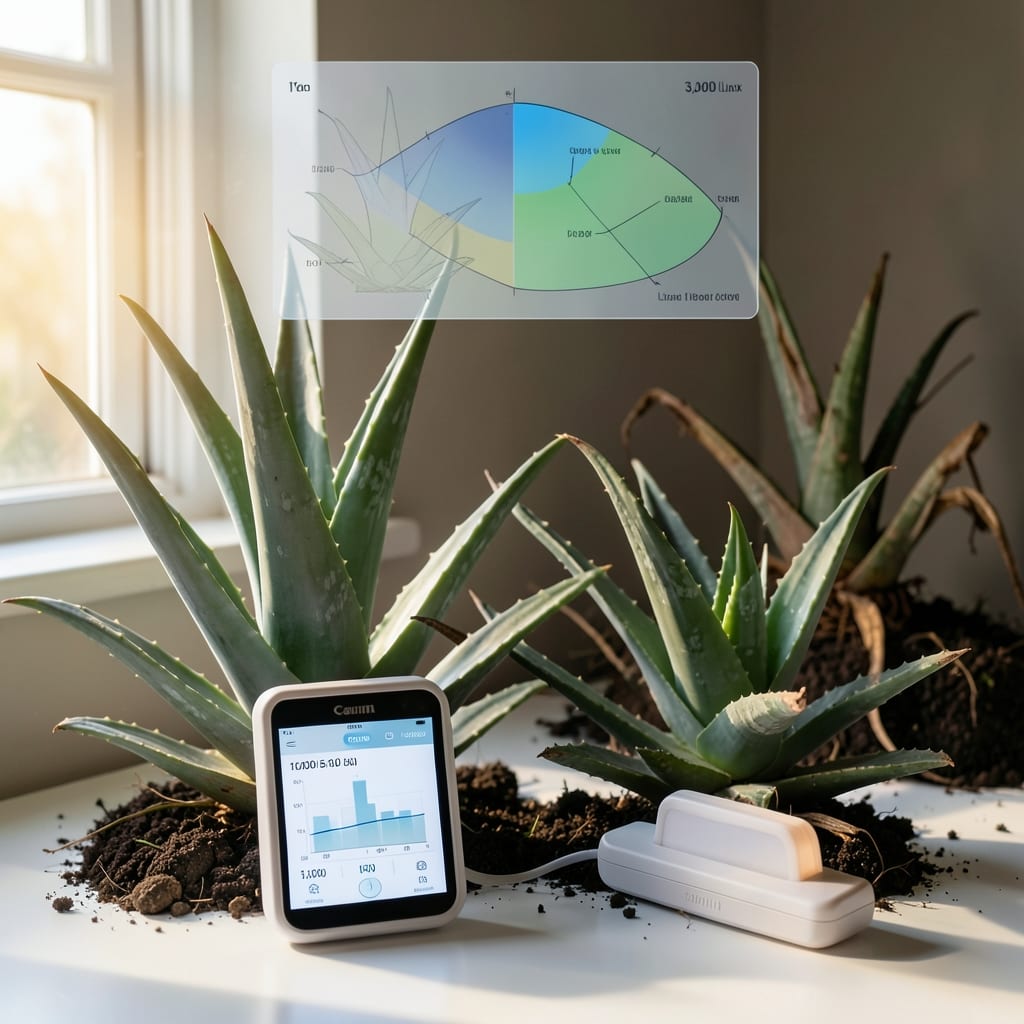
Wondering how much light does an aloe plant need to stay healthy and happy? If your 🌱 friend is looking a little sad—maybe stretched out or with brown tips—light might be the culprit. Aloe thrives in bright conditions but can easily get sunburned or weak if the balance is off.
Most aloe plants crave 6+ hours of sunlight daily, whether that’s direct rays or bright indirect light. In USDA Zone 6a, spring is the perfect time to place them near a south-facing window or outside where they can soak up natural light. Too little light, and your plant will stretch toward the sun like it’s reaching for a hug.
But here’s the trick: aloe isn’t picky about intensity—just consistency. Indoor grow lights can work in a pinch, but outdoor plants in full sun might need afternoon shade during scorching summer days. The key is watching for signs: yellowing leaves mean not enough light, while crispy edges scream "too much sun!"
Let’s break down the best spots for your aloe, whether you’re dealing with a sun-starved windowsill or a blazing hot patio. You’ll learn how to spot the perfect balance and keep your plant thriving year-round.


Ideal sunlight requirements for aloe vera growth and health
Aloe vera thrives under bright, direct sunlight but can also adapt to bright indirect light when outdoors isn’t an option. The key is providing 6 to 8 hours of sunlight daily—this mimics its natural desert habitat where intense sun is the norm. Without enough light, your aloe will stretch toward windows or grow weak, while too much can scorch its leaves. Let’s break down the perfect light conditions for your plant’s health.
For outdoor aloe plants, place them in a location with full sun exposure—think south-facing patios or garden beds. If you’re in a hotter climate, provide afternoon shade during peak summer months to prevent leaf burn. In cooler regions, aloe can handle direct sun year-round, but monitor for signs of stress like brown patches or crispy edges.
Indoor aloe plants need the brightest spot you can offer, ideally near a south-facing window. East or west windows work too, but your aloe may grow leggy if it doesn’t get enough light. Avoid north-facing windows entirely—these provide the least sunlight and will stunt your plant’s growth. Rotate your aloe every few weeks to ensure even light exposure on all sides.
Here’s a quick guide to understanding your aloe’s light needs based on its location and season:
| Location | Light Requirement | Hours of Sunlight | Best Seasonal Adjustments |
|---|---|---|---|
| Outdoor (Patio/Garden) | Full sun | 6-8 hours daily | Afternoon shade in summer |
| Indoor (South Window) | Bright indirect to direct | 4-6 hours daily | Rotate plant weekly |
| Indoor (East/West Window) | Bright indirect | 3-4 hours daily | Supplement with grow lights |
| Indoor (North Window) | Grow lights only | 12-14 hours daily | Use LED grow bulbs |
If you’re growing aloe in a greenhouse or conservatory, ensure it receives direct sunlight for at least 6 hours. Greenhouses can trap excessive heat, so ventilate during peak sunlight hours to prevent leaf scorch. Aloe plants in greenhouses also benefit from occasional outdoor time to harden off and prevent weak, etiolated growth.
Seasonal changes affect your aloe’s light needs too. In spring and fall, when sunlight is less intense, your plant can handle more direct exposure. During summer’s harshest months, provide afternoon shade to protect delicate leaves from UV damage. In winter, if natural light is scarce, supplement with a grow light to maintain your aloe’s health.
One common misconception is that aloe plants can thrive in low-light conditions like a dim corner. While they can survive briefly in such spots, they’ll grow slowly, develop weak stems, and produce fewer leaves. If you notice your aloe stretching toward the light or its leaves turning pale, it’s a clear sign it needs more brightness. Move it closer to a window or invest in a grow light to revive its growth.
For outdoor aloe plants in containers, ensure the pot is placed where it gets morning sun and afternoon shade during summer. This balance prevents the soil from drying out too quickly while protecting the roots from overheating. If your aloe is in a shaded area, like under a tree, it may not grow as vigorously, but it won’t die—it’ll just need extra care to stay healthy.
Pro tip: Observe your aloe’s leaves for color changes. Healthy aloe leaves are green with a slight blue-gray tint. If they turn yellow or brown, it’s often a sign of too much sun or water stress. If they stretch and become pale or thin, your plant needs more light. Adjust its placement accordingly to keep it thriving.
🌱
Signs your aloe isn’t getting the right light (and how to fix it)
Your aloe plant might be silently screaming for help if it’s not getting the right amount of light. The most obvious clue is leaf color changes. Healthy aloe leaves are thick, fleshy, and have a blue-gray tint. When light is lacking, they’ll turn pale green or yellowish, almost like they’ve lost their energy. This is your aloe’s way of saying, “I need more sunshine!”
Watch for stretched or leggy growth, where the stems elongate dramatically while leaves grow sparse. This happens when your aloe stretches toward the nearest light source, like a window. It’s a classic sign of light deprivation, and if ignored, your plant may become weak and prone to pests. Move it closer to a brighter spot immediately to encourage compact, healthy growth.
On the flip side, too much direct sunlight can cause brown or crispy leaf tips, almost like sunburn. If your aloe’s edges look dry and papery, it’s getting scorched. This is common in south-facing windows during peak summer hours. Provide afternoon shade or move your plant a few feet back from the window to protect it while still giving it plenty of light.
Here’s a quick reference for spotting light-related issues and fixing them:
Too Little Light: Pale leaves, leggy growth → Move to brighter spot or add grow lights.
Too Much Light: Brown tips, crispy edges → Provide afternoon shade or filter sunlight.
Uneven Light: Leaning growth → Rotate plant weekly for balanced exposure.
Another red flag is red or purple tinges on the leaves, especially near the edges. This isn’t always a light issue—it can also signal cold drafts or overwatering—but if combined with weak growth, it’s worth checking your aloe’s light conditions. In cooler months, supplement with a grow light to maintain its health.
If your aloe’s leaves start curling or drooping, it could be a sign of heat stress from too much intense sunlight. Unlike sunburn, which affects the edges, heat stress often causes the entire leaf to wilt. In this case, move your plant to a slightly shadier spot and ensure it’s well-hydrated (but not soggy). Mist the leaves lightly to help them recover.
For indoor aloes, dust can accumulate on leaves, blocking sunlight and reducing photosynthesis. Wipe the leaves gently with a damp cloth every few weeks to keep them clean and able to absorb light efficiently. A quick clean can make a surprising difference in your plant’s overall health and appearance.
🌿