
Light Requirements
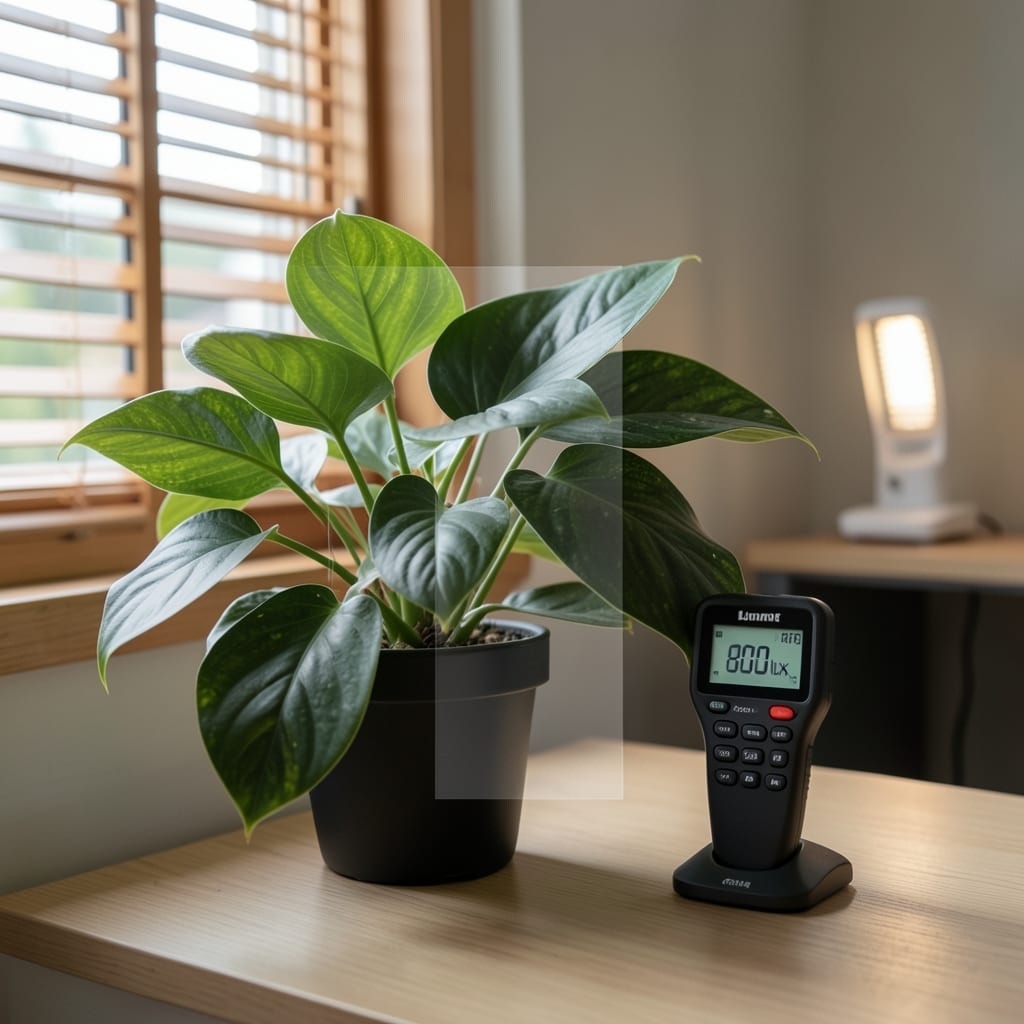
If your Arrowhead Plant 🌿 is looking a little sad with droopy leaves or pale stems, chances are it how much light does an arrowhead plant need—but not too much. This tropical beauty thrives in bright, indirect sunlight, making it the perfect indoor companion for most homes.
Too little light, and you'll see slow growth or leggy stems reaching for any scrap of sunshine. Too much direct sun, and those gorgeous leaves will crisp up like toast. The key is finding that sweet spot where your plant gets enough energy to flourish without getting fried.
Don't worry if your space doesn't have perfect natural lighting. I'll show you how to spot the ideal location, recognize when your plant is struggling, and even use simple hacks to give it the light boost it needs—whether you're dealing with a dim corner or a sunroom.
From east-facing windows to grow light setups, we'll cover everything you need to know to keep your Arrowhead Plant 🌿 happy and healthy year-round. Let's get those leaves glowing!


Ideal light requirements for arrowhead plants: bright indirect sunlight explained
Arrowhead plants (Syngonium podophyllum) thrive in bright indirect sunlight, mimicking their native tropical understory habitat. These plants crave 4-6 hours of filtered light daily, but direct sun exposure can scorch their delicate leaves. Think of it like providing a gentle canopy—just enough light to fuel growth without harsh rays.
In nature, arrowheads grow beneath taller trees, where sunlight is diffused. Recreate this by placing your plant 2-3 feet away from an east or north-facing window. South-facing windows can work too, but use a sheer curtain to filter the intensity during peak afternoon sun (12 PM–4 PM).
If you notice yellowing leaves or crispy edges, your plant is getting too much direct sun. Conversely, pale or stretched-out leaves signal it needs more light. The goal is to balance light intensity and duration—too little causes weak growth, while too much leads to stress.
| Light Condition | Ideal For | Signs of Stress |
|---|---|---|
| Bright Indirect Light | Healthy growth, vibrant leaves | None (perfect balance) |
| Direct Sunlight | Avoid—causes burns | Brown spots, crispy edges |
| Low Light | Survives but weakens | Leggy stems, pale leaves |
Seasonal adjustments are key! During spring and summer, when sunlight is strongest, move your arrowhead plant further from the window or rotate it weekly to ensure even growth. In winter, when natural light dims, supplement with a grow light for 6-8 hours daily if needed.
Pro tip: Rotate your plant quarter-turn every 2 weeks to prevent lopsided growth. Arrowheads grow toward their light source, so consistent rotation keeps their foliage symmetrical and full. This is especially important if your plant is near a single window.
For indoor gardeners, east-facing windows are ideal because they provide gentle morning light without the harsh afternoon heat. If you only have a south-facing window, place your arrowhead at least 5 feet away and use a white sheer curtain to diffuse the light further.
Outdoor arrowheads (in zones 9-11) can handle dappled shade under trees, but avoid placing them in full sun. Even a few hours of direct exposure can lead to leaf bleaching or scorching. If you’re growing yours outdoors, opt for a shady patio or balcony with afternoon shade.
Remember, arrowhead plants are forgiving—they can tolerate low-light conditions for short periods, but they’ll reward you with lush, arrow-shaped leaves when given their preferred bright indirect light. Start with these guidelines, observe your plant’s response, and adjust as needed!
Signs your arrowhead plant isn’t getting enough (or too much) light
Your arrowhead plant’s leaves tell a story about its light conditions. If they’re yellowing along the edges or developing brown, crispy patches, it’s a clear sign of too much direct sunlight. These symptoms appear when UV rays burn the delicate foliage, often starting on leaves exposed to the sun. Check the south-facing windows first—these are the usual culprits for overheating your plant.
On the flip side, if your arrowhead’s leaves are pale green or even white, it’s begging for more light. This chlorosis (loss of chlorophyll) happens when the plant can’t produce enough energy. You’ll also notice long, spindly stems with leaves spaced far apart—this is your plant stretching toward any available light source, a condition called etiolation. It’s like watching a toddler reach for a cookie jar!
🌿 Light Stress Symptoms
Brown spots
Crispy edges
Bleached patches
Pale leaves
Leggy growth
Red/purple hues
Don’t overlook red or purple tinges on newer leaves—this is another red flag for insufficient light. While some arrowhead varieties naturally develop these colors in low light, excessive purpling suggests your plant is struggling to photosynthesize. Pair this with slow growth or small, underdeveloped leaves, and you’ve got a clear case of light deprivation.
Here’s how to diagnose quickly: Hold your plant’s leaves up to a bright light source. If the undersides are darker green than the tops, it’s a sign the plant isn’t getting enough light from above. This uneven coloring happens because the plant is trying to maximize light absorption from any angle. For a healthy arrowhead, both sides should be similar in color.
If you spot these signs, act fast! Move your plant to a brighter spot with indirect light (like near an east window) or add a grow light if natural light is limited. For sunburned leaves, trim the damaged parts with sterilized scissors to encourage new growth. Remember, arrowheads are resilient—they’ll bounce back once you adjust their lighting!
Pro tip: Keep a light journal for your arrowhead. Note where you place it each week and how the leaves respond. Over time, you’ll learn exactly what your specific plant craves. Most arrowheads thrive with 4-6 hours of bright indirect light daily, but your home’s lighting conditions might require slight tweaks—like moving it closer or further from the window based on seasonal sun patterns.