
Plants
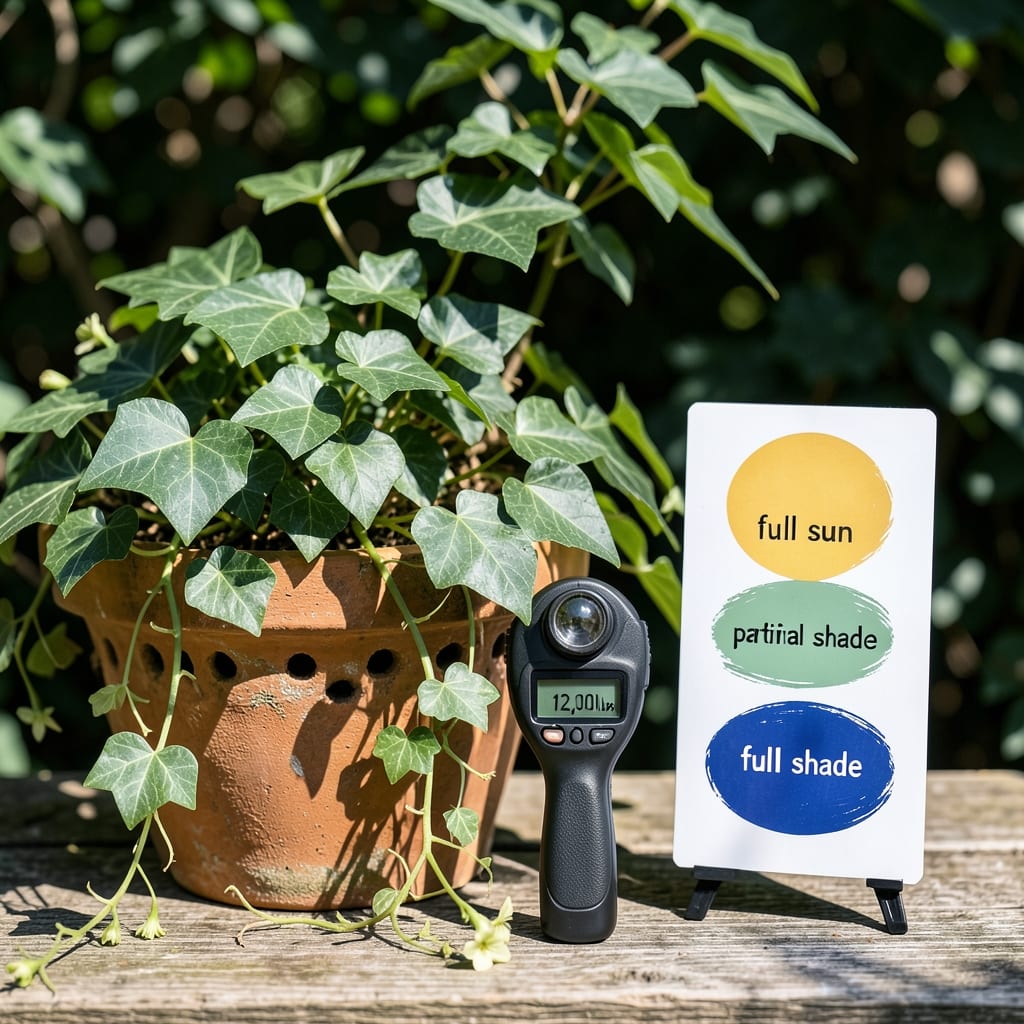
If your English Ivy 🌿 keeps struggling despite your best efforts, chances are it’s not getting how much light does this plant need—and that’s an easy fix. Unlike sun-loving plants, ivy thrives in low to bright indirect light, making it perfect for spaces where direct sunlight is scarce.
Too little light, and you’ll notice leggy stems and sparse leaves. Too much direct sun, and those delicate leaves can turn crispy at the edges. The key is finding that sweet spot where your ivy stays lush and vibrant year-round.
Whether you’re growing it indoors near a north-facing window or outdoors in dappled shade, I’ll show you exactly how to create the ideal lighting conditions. Let’s make sure your ivy gets just what it needs to flourish.
From recognizing the signs of poor lighting to adjusting placement for seasonal changes, you’ll have all the tools to keep your ivy healthy and thriving—no guesswork required.
 Best Window Placement
Ivy plant light requirements: ideal light levels for healthy growth
Ivy plants are famously adaptable, but their light needs are the foundation for healthy growth. While they can thrive in low-light conditions, too little light leads to weak, leggy growth, and too much direct sun can scorch those delicate leaves. The sweet spot? Bright indirect sunlight or dappled shade—think of a north-facing window or a spot under a tree canopy.
For indoor ivy, aim for 2-6 hours of filtered light daily. This could be a west-facing window with sheer curtains or an east-facing spot where morning sun gently brightens the room. Outdoor ivy? It loves partial shade gardens with morning sun and afternoon shade, especially in hot climates where afternoon sun can be intense.
Here’s the key: ivy’s light tolerance varies by variety. English ivy (Hedera helix) handles low light better than Boston ivy, which prefers slightly brighter conditions. Always observe your plant—if leaves are pale or sparse, it’s crying out for more light. If they’re crispy or yellowing, it’s getting too much direct sun.
| Light Condition | Ideal Hours | Signs of Healthy Ivy | Adjustments Needed |
|---|---|---|---|
| Low Light (Under 2 hrs) | 2-4 hrs | Leggy growth, sparse leaves | Move to brighter spot or use grow lights |
| Ideal (Bright Indirect) | 4-6 hrs | Dark green, glossy leaves; compact growth | Perfect! No changes needed. |
| Too Much Sun (Direct) | Over 6 hrs direct | Brown patches, crispy edges | Filter light with sheer curtains or move to shade |
Indoor ivy thrives near north-facing windows because they provide cool, gentle light without harsh rays. If your home lacks natural light, a grow light (like a full-spectrum LED) can supplement for 6-8 hours daily. For outdoor ivy, morning sun is ideal—it warms the plant without the intensity of afternoon heat. In hot climates, afternoon shade is a must to prevent leaf scorch.
Pro tip: Rotate your ivy plant quarter-turns weekly to ensure even light exposure. This prevents one side from stretching toward the window while the other stays weak. Think of it like giving your ivy a sunbath—balanced and gentle!
Seasonal shifts matter too. In winter, indoor ivy may need extra light as days shorten. Move it closer to a window or add a grow bulb to mimic natural light cycles. Conversely, in summer, watch for sudden heat spikes—if leaves start curling, it’s time to provide afternoon shade.
Remember, ivy’s light flexibility is its superpower. Whether you’re growing it as a hanging basket, a wall climber, or a ground cover**, adjust its light exposure based on its response. Pay attention to its leaf color and growth pattern—they’re your best guides!
For new ivy growers, start with moderate indirect light and adjust slowly. Rushing to full sun can shock delicate foliage. Patience and observation are your best tools for nurturing a thriving ivy plant that stays lush and vibrant year-round. 🌿
Signs your ivy isn’t getting the right light (and how to fix it)
Your ivy’s leaves tell a story—if they’re pale or sparse, it’s begging for more light. Leggy growth with long stems and tiny leaves means it’s stretching toward light sources like a sunflower. This happens when indoor ivy sits too far from a window or when outdoor ivy is shaded by taller plants. The fix? Move it closer to indirect light or rotate the pot quarter-turns weekly to encourage even growth.
On the flip side, brown patches or crispy edges scream "too much sun!" Direct afternoon rays can scorch ivy leaves faster than you’d expect, especially in south-facing windows. If you notice these signs, filter the light with sheer curtains or relocate your ivy to a shadier spot. For outdoor plants, provide afternoon shade using a lattice or nearby tree.
Yellow leaves aren’t always about light—they can signal overwatering or nutrient deficiency. But if the yellowing starts at the bottom leaves and the plant looks otherwise healthy, it’s likely too much light. If it’s top leaves turning yellow, check your watering routine or soil drainage instead.
Another red flag? Slow growth or no new leaves. Even with proper watering, ivy needs consistent light to thrive. If your plant has gone dormant-like in winter but spring arrives with no new shoots, it’s not getting enough light. Boost brightness with a grow light or move it to a sunnier window. Pro tip: South-facing windows work for ivy, but only if you diffuse the light—never let direct sun hit the leaves for more than 2 hours daily.
Seasonal changes can throw ivy’s light needs off balance. In winter, shorter days mean indoor ivy may need supplemental light. Watch for stretched stems or drooping leaves—these are clear signals to add a grow bulb or move the plant to a sunroom. Conversely, in summer, watch for leaf curling when temperatures rise. This often means too much heat paired with light—increase shade during peak sun hours (10 AM–4 PM).
For outdoor ivy, seasonal light shifts matter too. Spring and fall offer gentle morning sun, perfect for growth. But summer’s intense rays can damage leaves quickly. If your outdoor ivy starts looking bleached or brittle, it’s getting too much direct sun. Create dappled shade with a sheer fabric canopy or plant it where a tree provides natural filtering.
Don’t overlook root-bound stress—when ivy outgrows its pot, it can’t absorb light efficiently, even in the right spot. If your plant’s leaves are small and clustered at the top, it’s time to repot into a larger container with fresh well-draining soil. Combine this with better light, and you’ll see new growth within weeks!
Remember: ivy’s adaptability is its strength, but it still needs consistent cues. Observe your plant daily—leaf color, growth pattern, and stem strength are your best tools. With these signs as your guide, you’ll keep your ivy thriving in any light condition. 🌿