
Plants
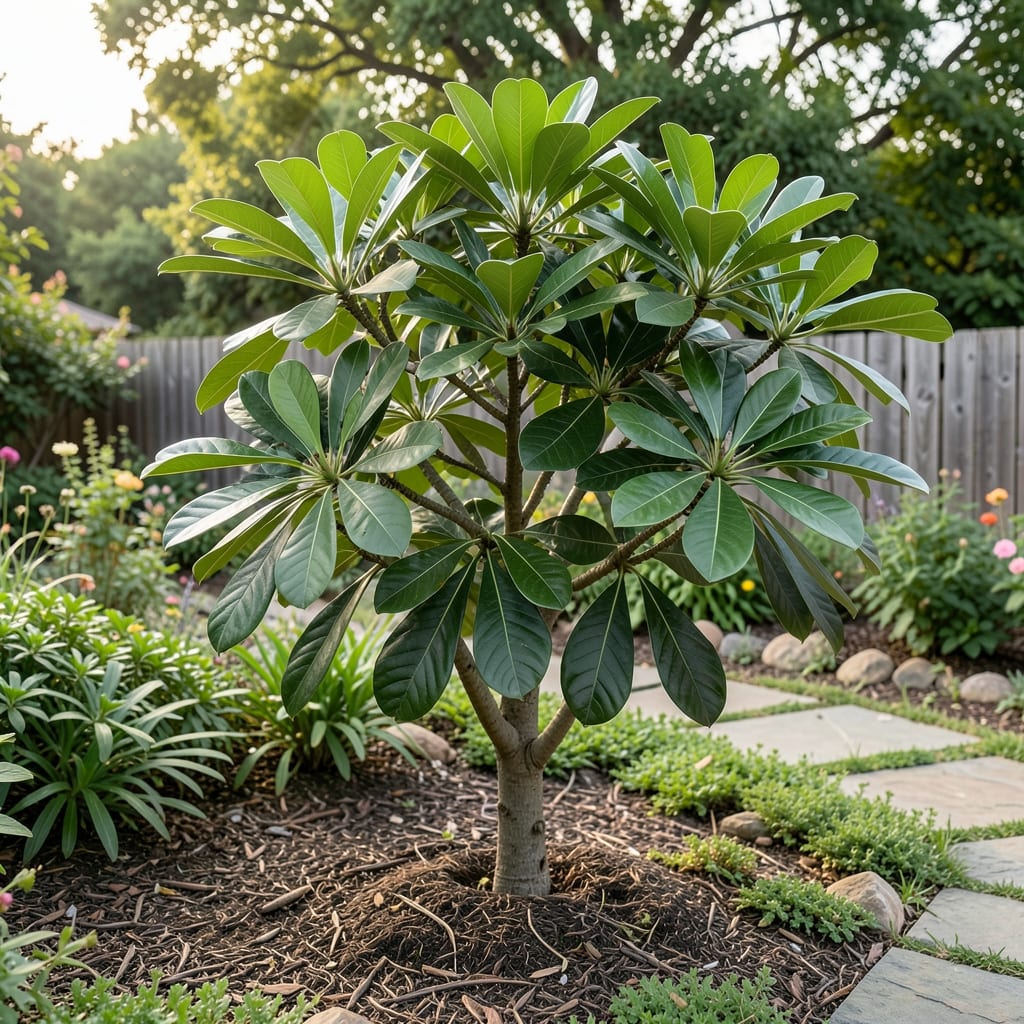
Optimal light requirements for umbrella plants: hours and intensity breakdown
Umbrella plants (Schefflera actinophylla) thrive in bright indirect light, but their exact needs depend on your home’s lighting conditions. Unlike sun-loving succulents, they despise harsh afternoon rays that can scorch their delicate leaves. The ideal range is 4 to 6 hours of filtered light daily, but flexibility exists depending on the season and your plant’s maturity.
Indoor umbrella plants often struggle in dim corners, showing pale, leggy growth when deprived of sufficient light. Meanwhile, too much direct sun causes brown crispy edges and leaf burn. Balancing these extremes is key to keeping your plant’s vibrant foliage intact. Let’s break down the perfect light setup for your Schefflera.
🌿 Bright Indirect Light Guide
| Light Condition | Daily Hours Needed | Best Placement | Signs of Correct Light |
|---|---|---|---|
| Bright Indirect | 4–6 hours | East or west-facing window, 2–3 feet away | Dark green, glossy leaves; steady growth |
| Low Light | 2–4 hours (supplement needed) | North-facing window or 5+ feet from bright window | Pale leaves, slow growth, leggy stems |
| Direct Sun | 0 hours (avoid) | South-facing window without filter | Brown crispy edges, yellow patches, leaf drop |
For indoor growers, east-facing windows provide the gentlest morning light, while west-facing windows offer afternoon warmth without the intensity of south-facing rays. If your only option is a south window, place your umbrella plant at least 5 feet away or use a sheer curtain to diffuse the light.
Outdoor umbrella plants in USDA Zone 6a can handle morning sun and afternoon shade, especially during spring and fall. In summer, move them to partial shade (like under a patio umbrella) to prevent leaf burn. The key is mimicking their natural habitat—dappled forest light—where they grow under taller trees.
Seasonal adjustments are crucial. In winter, when natural light dims, supplement with a grow light (6–8 hours daily) to maintain your plant’s health. Look for full-spectrum LED bulbs that mimic sunlight, as they encourage stronger growth without heat damage.
Pro tip: Rotate your plant quarter-turns weekly to ensure even light exposure. This prevents one side from stretching toward the light while the other stays weak. Uneven growth is a classic sign of light deprivation or one-sided exposure—both easy to fix with simple adjustments.
Watch for these tell-tale signs of lighting issues: yellowing leaves (too much water + low light), brown tips (direct sun + dry air), or leggy stems (stretching for light). Addressing these early keeps your umbrella plant lush and compact.
How to adjust light for different umbrella plant growth stages
Umbrella plants don’t have static light needs—they change as your plant grows! A seedling needs gentler conditions than a mature 5-foot shrub. Understanding these shifts helps you avoid common pitfalls like leggy growth in young plants or leaf burn in established ones. Let’s walk through how to adjust lighting at each stage to keep your Schefflera thriving year-round.
For new seedlings (first 6–12 months), prioritize bright indirect light with 3–4 hours daily. Their delicate stems can’t handle intense light yet, and too much causes yellowing leaves. Place them near a north-facing window or under a grow light on low intensity. If you notice stems stretching toward the light, it’s time to move them closer—just avoid direct sun.
- 🌱 Seedlings (0–12 months): 3–4 hours bright indirect light; use grow lights if natural light is weak. Rotate weekly to prevent leaning.
- 🌿 Young Plants (1–3 years): Gradually increase to 4–5 hours daily. Watch for brown tips—a sign of too much direct sun. Use sheer curtains near south windows.
- 🌳 Mature Plants (3+ years): 5–6 hours bright indirect light. In summer, move to partial shade (e.g., under a patio umbrella) to protect from harsh afternoon rays.
- 🌸 Flowering Stage (rare but possible): Increase to 6 hours if buds appear. Use a south-facing window with filtered light or a full-spectrum grow bulb for 8 hours daily.
Transitioning your umbrella plant between stages requires patience. For example, when moving a young plant from a north window to a brighter east window, do it gradually over 1–2 weeks. Sudden changes cause shock stress, leading to dropped leaves. If your plant develops yellow patches or curling leaves, it’s often a sign of light adjustment stress—slow down the transition.
Grow lights are a game-changer for indoor growers. If your umbrella plant is in a dim corner, supplement with a 15W–20W full-spectrum LED bulb placed 12–18 inches away. Run it for 6–8 hours daily to mimic natural light cycles. Avoid cool-white bulbs, as they lack the red and blue spectrum needed for healthy foliage growth.
Outdoor umbrella plants in USDA Zone 6a need seasonal light tweaks. In spring and fall, they thrive with morning sun and afternoon shade. But in summer’s intense heat, move them to dappled shade (like under a tree canopy) to prevent leaf scorch. In winter, when days shorten, bring potted plants indoors near a bright window or extend their light exposure with a grow light.
Pro tip: Use a light meter (or your phone’s lux app) to measure light levels. Aim for 10,000–20,000 lux for bright indirect light. If readings drop below 5,000 lux, supplement immediately. This simple tool helps you avoid guesswork and keeps your umbrella plant’s light needs perfectly balanced at every stage.