
Light Requirements
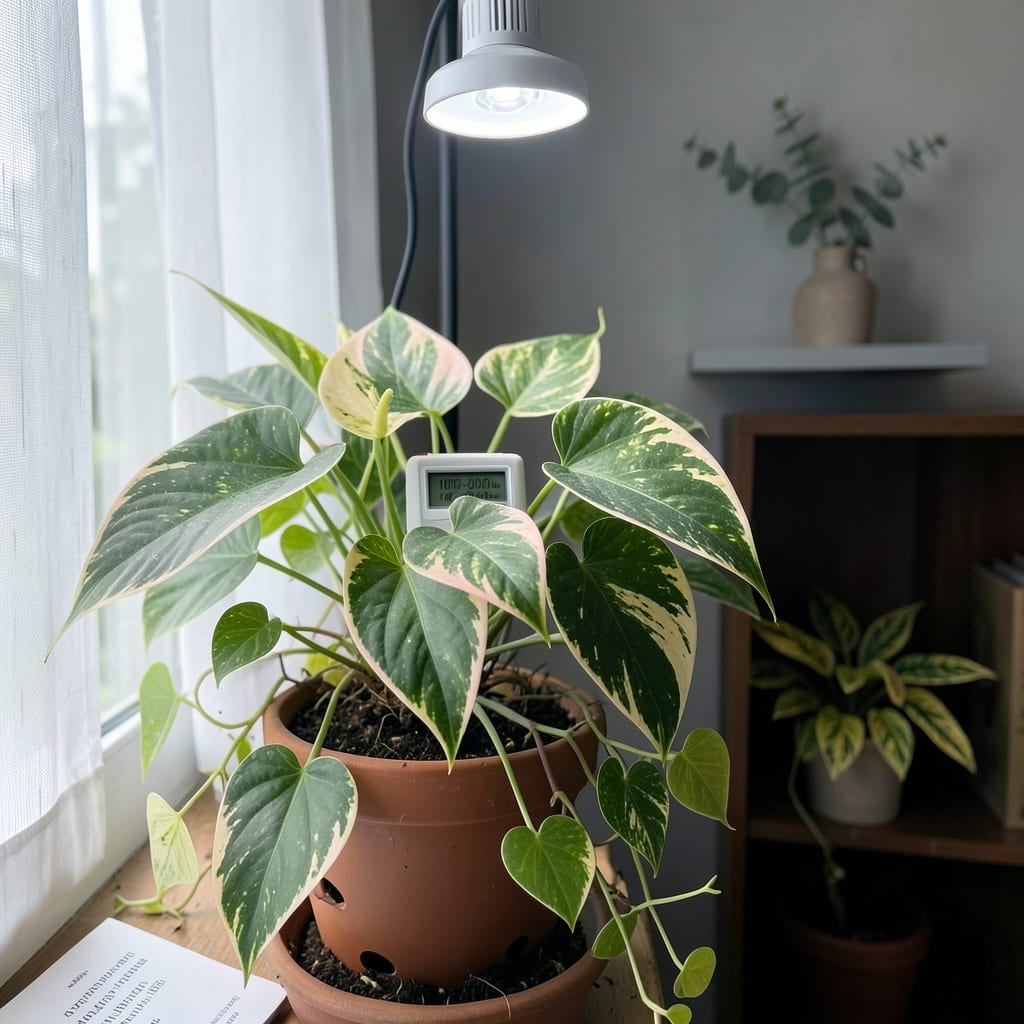
If you're wondering how much light does an arrowhead plant need, the answer might surprise you—it’s not as simple as "more is better." This stunning 🌿 tropical beauty thrives in bright, indirect sunlight, but too much direct sun can turn its leaves into crispy souvenirs. Let’s cut through the confusion and find the sweet spot for keeping your arrowhead plant lush and happy.
Picture this: your arrowhead plant basking near an east-facing window, its arrow-shaped leaves reaching for the light without getting sunburned. That’s the ideal setup, but many of us don’t have perfect lighting at home. The good news? Arrowhead plants are forgiving—they can adapt to lower light conditions, though their growth might slow down or their leaves lose that vibrant pop.
What you’re about to discover isn’t just about placing your plant in the right spot—it’s about reading its signals. Yellowing leaves? Too much sun. Leggy, stretched-out stems? Not enough light. I’ll show you how to spot these clues and adjust your care routine so your arrowhead plant becomes the star of your indoor garden.
Ready to unlock the secrets of bright indirect sunlight and keep your arrowhead plant thriving year-round? Let’s dive into the details and turn your plant-parenting game into a success story.


Ideal light requirements for arrowhead plants: bright indirect sunlight explained
The arrowhead plant (Syngonium) thrives in bright indirect sunlight, mimicking its natural tropical habitat. Too much direct sun causes leaf scorch, while too little results in leggy, weak growth. Aim for 3,000–5,000 lux of light—similar to the glow of a cloudy day—about 2–3 feet from an east-facing window. This balance keeps foliage vibrant and growth compact.
For indoor growers, east-facing windows provide the gentlest morning light, perfect for arrowheads. North-facing windows work too, offering consistent, soft light without harsh afternoon rays. Avoid south- or west-facing spots, where intense afternoon sun can bleach or crisp leaves. If your space lacks natural light, grow lights with a 6,500K color temperature are ideal.
Here’s how to visualize the perfect setup for your arrowhead plant’s light needs:
| Light Source | Intensity (Lux) | Best For | Distance from Plant |
|---|---|---|---|
| East Window | 3,000–4,000 | Mature plants | 2–3 ft |
| North Window | 2,000–3,000 | Seedlings/juveniles | 3–4 ft |
| Grow Light (6,500K) | 4,000–5,000 | Low-light spaces | 12–18 inches |
| Fluorescent Bulb | 2,500–3,500 | Temporary supplement | 6–12 inches |
Natural light varies by season, so adjust your arrowhead’s position in winter vs. summer. During shorter winter days, move plants closer to the window (even touching the glass) to compensate. In summer, filter light with sheer curtains or shift the plant 1–2 feet back to prevent leaf burn.
Pro tip: Rotate your arrowhead plant quarter-turns every 2 weeks to ensure even light exposure on all sides. This prevents lopsided growth and keeps those stunning arrow-shaped leaves symmetrical. Watch for leaves leaning toward the light—this is a clear sign your plant needs repositioning.
If your home lacks ideal windows, artificial light can save the day. A full-spectrum LED grow light on a 12–14 hour timer mimics natural daylight cycles. Place it 12–18 inches above the plant and adjust height as leaves grow taller. For budget-friendly options, a cool-white fluorescent bulb works in a pinch, though it won’t support as vigorous growth.
Even with perfect light, leaf color changes can reveal hidden issues. Dark green leaves with visible veins mean ideal conditions, while pale yellow leaves signal low light. Conversely, brown crispy edges or bleached patches scream too much direct sun. Keep an eye on these clues to fine-tune your arrowhead’s environment.
For outdoor growers in warm climates, arrowheads can handle partial shade outdoors during spring and fall. However, avoid harsh midday sun—even tropical plants need protection. A dappled shade cloth with 30–50% coverage works wonders for outdoor arrowheads, allowing them to enjoy fresh air without stress.
Remember, every arrowhead plant is unique. Start with bright indirect light, monitor leaf responses, and adjust gradually. With the right light, your Syngonium will reward you with bold foliage and vigorous growth that turns heads—literally! 🌿
How to adjust light for different arrowhead plant stages: from seedlings to mature growth
Arrowhead plants don’t need the same light intensity at every growth stage. Seedlings and juvenile plants are far more sensitive to light than mature specimens. Start them in low to medium indirect light—think 1,500–2,500 lux—to prevent leaf burn or etiolation. Place them 3–4 feet from an east-facing window or under a fluorescent bulb for gentle growth. This gradual exposure helps young arrowheads develop strong stems and compact foliage.
As your arrowhead plant matures, it can handle brighter conditions. Once it reaches 6–12 inches tall, gradually increase light exposure by moving it 1–2 feet closer to a window over 2–4 weeks. Mature plants thrive in 3,000–5,000 lux, but avoid harsh afternoon sun. If you notice new leaves developing smaller or stretched stems, it’s a sign the plant needs more light—but only if the older leaves stay healthy.
Here’s a step-by-step guide to adjusting light for each growth phase:
- Seedlings (0–6 inches): Place near north-facing window or under fluorescent bulb (1,500–2,500 lux). Water lightly to avoid over-saturation.
- Juvenile (6–12 inches): Gradually move to east-facing window (2,000–3,000 lux). Rotate weekly for even growth.
- Mature (12+ inches): Position 2–3 feet from east window or use grow light (4,000–5,000 lux). Monitor for leaf scorch in summer.
- Outdoor Transition: Acclimate slowly by placing in partial shade for 2–3 hours/day before full outdoor exposure.
One of the biggest mistakes I see is rushing light exposure for seedlings. Too much sun too soon causes yellowing leaves or crispy edges, while too little leads to leggy, weak stems. The key is patience. If your seedling starts stretching toward the light, it’s begging for more—but only increase exposure by 10–20% per week to avoid shock.
For mature arrowhead plants, seasonal adjustments are crucial. In winter, when daylight is shorter, supplement with a 12-hour grow light to maintain 4–6 hours of indirect light. In summer, use sheer curtains to diffuse intense afternoon rays. If your plant develops brown patches on leaves facing the window, it’s a clear sign of sunburn—move it back immediately.
Pro tip: Use a plant light meter (or a free app like Light Meter) to track lux levels. Aim for 3,000 lux for mature plants and 2,000 lux for juveniles. If your home lacks natural light, a LED grow light on a timer is a game-changer. Place it 12–18 inches above the plant and adjust height as it grows taller. For budget-friendly setups, a cool-white CFL bulb works, but it won’t support as vigorous growth.
Remember, every arrowhead plant is unique. If yours starts dropping leaves or developing yellow spots, reassess its light conditions. Sometimes, the issue isn’t the light itself but drafts or temperature fluctuations near the window. Keep your plant in a stable environment with 65–80°F temperatures and moderate humidity for best results. With the right light adjustments, your arrowhead will reward you with bold, arrow-shaped leaves and vigorous vines that climb or trail beautifully. 🌿