
How To
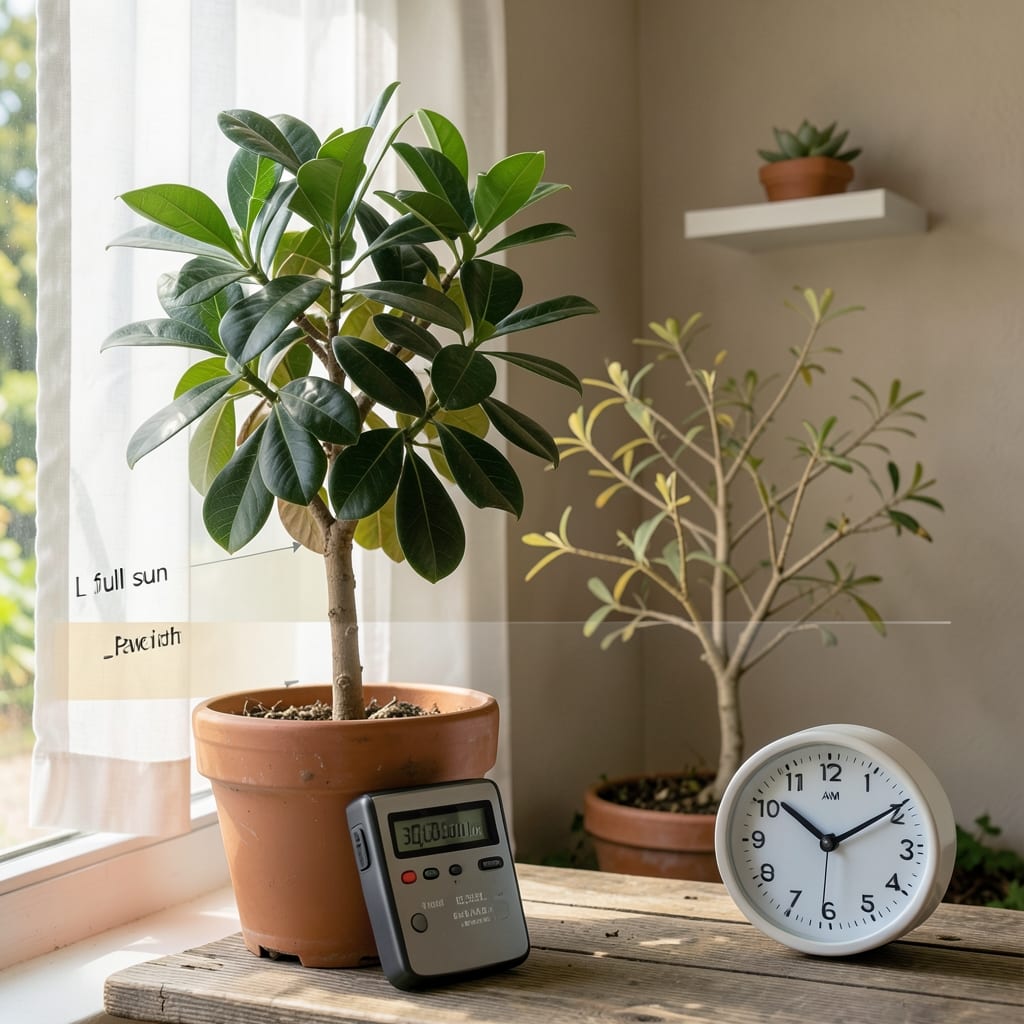
If you’re wondering how much light does an avocado plant need, you’re probably dealing with a classic light dilemma. The truth is, avocados are finicky about sunlight—too much burns them, too little stunts their growth, and finding that sweet spot is the key to keeping your leafy friend thriving.
Most gardeners assume avocados need full sun like a sunbathing lizard, but the reality is more nuanced. Whether you’re growing yours indoors by a window or outdoors in USDA Zone 6, understanding the exact light requirements can mean the difference between a lush, productive tree and a sad, struggling sapling.
In this guide, I’ll break down exactly how many sunlight hours your avocado plant needs—from seedlings to mature trees—and how to adjust light conditions without risking leaf burn or leggy growth. You’ll learn the warning signs of over- or under-exposure and practical tips to optimize light for your specific setup.
Ready to give your avocado the perfect light conditions? Let’s dive into the sunlight secrets that’ll have your plant reaching for the sky—without frying its leaves in the process.

Optimal sunlight hours for avocado plants: preventing leaf burn and overheating
Avocado plants thrive on bright, indirect sunlight for most of the day, but their exact needs change as they grow. Seedlings and young plants need 4-6 hours of filtered light daily, while mature trees crave 6-8 hours of direct sun—though they can handle up to 10 hours in cooler climates. The key is avoiding intense midday sun, which can scorch delicate leaves, especially in hotter regions like USDA Zone 6 summers.
Outdoors, place your avocado where it gets morning sun and afternoon shade. If growing in containers, rotate the pot weekly so all sides receive even light exposure. This prevents the plant from leaning toward the sun, which creates weak, leggy growth. For indoor growers, a south-facing window is ideal, but east or west windows work too—just supplement with grow lights if natural light drops below 4 hours daily.
Here’s how to measure sunlight intensity for your avocado: Hold your hand near the plant. If the light feels warm and direct (like standing in sunlight), it’s too harsh. If it’s cool and diffused, it’s perfect. Use sheer curtains to filter harsh rays during peak hours (10 AM–2 PM) to prevent leaf burn.
| Growth Stage | Daily Sunlight Needs | Light Type | Warning Signs of Stress |
|---|---|---|---|
| Seedling (0-1 year) | 4-6 hours | Bright, indirect | Yellowing leaves, slow growth |
| Young Plant (1-3 years) | 6-8 hours | Morning sun + afternoon shade | Brown leaf edges, crispy texture |
| Mature Tree (3+ years) | 6-10 hours | Full sun (with shade in heatwaves) | Leaf drop, fruit drop, sunburn spots |
In USDA Zone 6, where summers can be brutal, avocados need extra protection. If temperatures exceed 85°F (29°C), provide afternoon shade using a 50% shade cloth or move potted plants to a sheltered spot. Even mature trees benefit from this—think of it as their built-in sunscreen. Without shade, you’ll see white or brown patches on leaves within days, a classic sign of sunburn.
Another common mistake? Assuming all sunlight is equal. Direct afternoon sun is far more intense than morning light, so adjust your plant’s position accordingly. For example, if your avocado is near a west-facing window, move it back by 2-3 feet during summer months. This small tweak can save your plant from heat stress.
To test if your avocado is getting the right light, observe its leaves for 3-5 days. Healthy leaves should be dark green and glossy. If they’re pale or stretching toward the light (etiolation), it needs more brightness. If leaves curl or develop crispy edges, it’s getting too much direct sun. Adjust gradually—sudden changes can shock the plant.
For container growers, remember that smaller pots dry out faster and may need more frequent watering when exposed to full sun. Pair adequate light with well-draining soil and regular watering to keep your avocado thriving. The right balance of light and moisture is the secret to avoiding both leaf burn and root rot.
Pro tip: If you’re growing avocados indoors, invest in a full-spectrum LED grow light for 12-14 hours daily during winter. This mimics natural daylight and prevents stunted growth when sunlight is scarce. Place the light 12-18 inches above the plant and adjust as it grows.
Lastly, don’t forget that humidity matters. Avocados love 50-70% humidity, and dry air (common in sun-drenched rooms) can make leaves crispy even with perfect light. Use a pebble tray or humidifier near your plant to keep it happy year-round.
How to adjust light for indoor vs outdoor avocado plants: solutions for different environments
Growing avocados indoors or outdoors changes the light game entirely. While outdoor plants bask in natural sunlight, indoor avocados rely on strategic window placement or grow lights. The key is replicating 6+ hours of direct light—whether from a sunny window or artificial sources—without causing leaf burn.
Outdoor avocados thrive in full sun exposure, but in hot climates like USDA Zone 6, afternoon shade helps prevent overheating. Indoor plants, however, face a bigger challenge: most homes lack the intensity of natural sunlight. Without adjustments, your avocado will stretch toward the light, growing leggy and weak.
Here’s how to match your avocado’s light needs—whether it’s perched on your windowsill or planted in your backyard.
| Environment | Best Light Source | Daily Exposure | Adjustments Needed |
|---|---|---|---|
| Outdoor (Zone 6+) | Direct sunlight | 6–8 hours | Use shade cloth in peak afternoon sun (2–4 PM). |
| Indoor (South Window) | Natural light | 4–6 hours | Rotate plant weekly for even growth; supplement with grow lights if leaves pale. |
| Indoor (North Window) | Grow lights | 12–14 hours | Use full-spectrum LED (6400K) 12 inches above plant; replace bulbs every 12 months. |
| Outdoor (Containers) | Morning sun + afternoon shade | 5–7 hours | Move containers to shaded area after 2 PM; ensure pots have drainage holes. |
For indoor growers, grow lights are a game-changer. A full-spectrum LED (like the Samsung LM301B) mimics sunlight and prevents etiolation (stretched, weak stems). Place it 12–18 inches above your plant and run it for 12–14 hours daily. If using fluorescent bulbs, opt for cool white (5000K–6500K) to avoid heat stress.
Outdoor avocados benefit from seasonal adjustments. In summer, provide afternoon shade to prevent sun scorch, especially in Zone 6 where temperatures can spike. A 50% shade cloth works wonders. In winter, move potted avocados to a sunny spot or under grow lights to maintain their light cycle.
Pro tip: Monitor your avocado’s leaves for color changes. Yellowing leaves mean too little light, while brown crispy edges signal overexposure. Tweak your setup gradually—sudden light changes shock the plant. With the right balance, your avocado will reward you with lush growth and maybe even fruit! 🌱