
How To
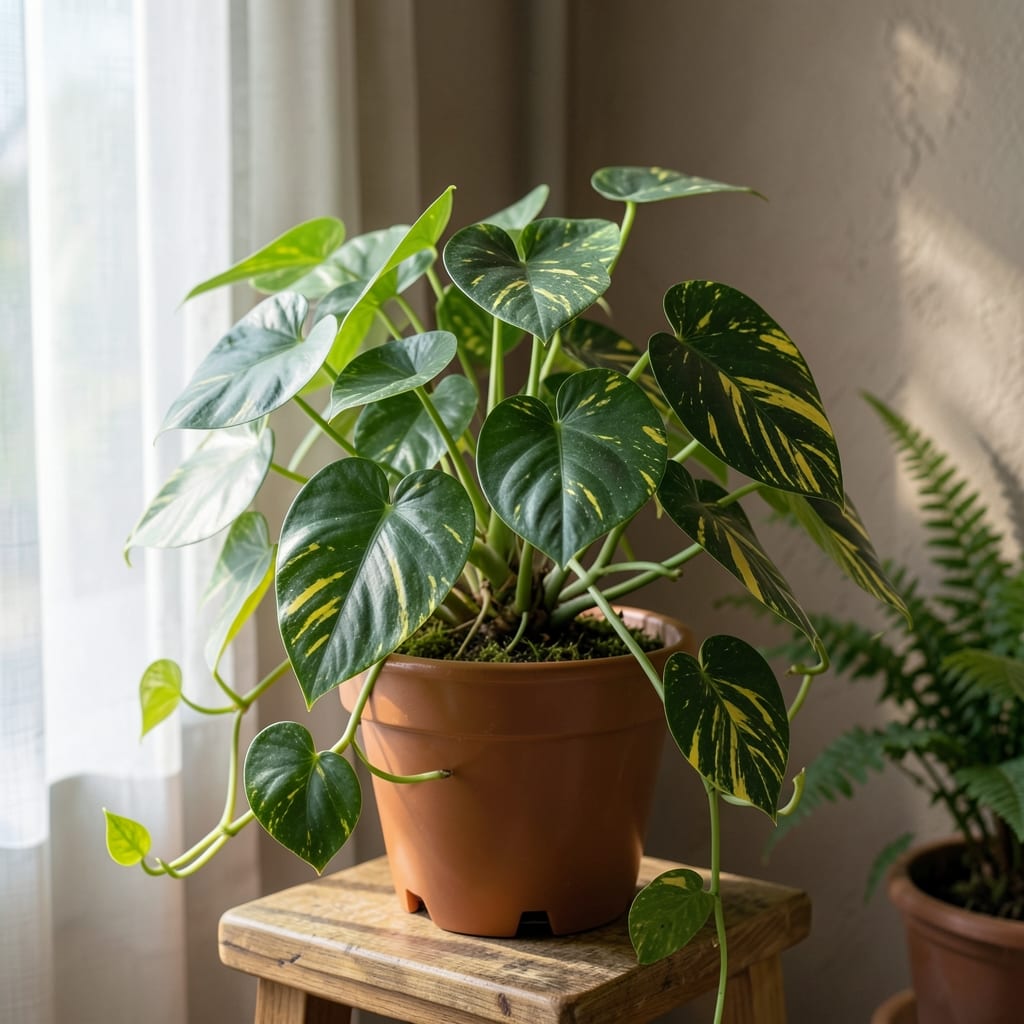
If you’re wondering how much light does a Chinese Money Plant 🌿 need, you’re probably noticing it looks tired or leggy—and that’s usually the first sign it’s not getting the right conditions. This stunning plant thrives in bright, indirect sunlight, but too much direct exposure can scorch its leaves, while too little leaves them stretching desperately toward the window.
I’ve seen firsthand how just a few tweaks in placement can make all the difference. Whether you’re dealing with a dim office corner or a sunny south-facing window, knowing the ideal balance is the key to keeping those signature round leaves vibrant and full. Let’s break down exactly what your plant needs—and how to spot when it’s getting it wrong.
The good news? This plant is forgiving, but it does reward attentive care. With the right light setup, you’ll watch it grow faster, develop richer color, and maintain that lush, compact shape everyone loves. No more guesswork—just a simple guide to help you set it up for success.
Ready to turn your struggling plant into a showstopper? I’ll walk you through everything from window placement to artificial lighting hacks, so you can give your Chinese Money Plant 🌿 the perfect growing conditions—no green thumb required.

Ideal light requirements for chinese money plant growth
The Chinese Money Plant 🌿 thrives best in bright indirect light, which mimics its natural understory habitat. This means placing it near a window where sunlight filters through sheer curtains—think east-facing or north-facing windows for the gentlest exposure. Direct midday sun (especially from south or west windows) can cause leaf scorch, turning edges crispy and brown, while too little light leads to stretched, pale leaves and slow growth.
Indoors, aim for 2-6 hours of bright, diffused light daily. If your space is dim, like a north-facing office, supplement with a grow light 12-16 inches away for 6-8 hours daily. Outdoors, partial shade under trees works well, but avoid harsh afternoon rays. Seasonal shifts matter too—winter’s weaker light may require moving your plant closer to a window or adding artificial light to prevent legginess.
Here’s the golden rule: If your plant’s leaves are dark green and compact, it’s happy. If they’re light green and elongated, it’s starving for light. Conversely, brown patches or yellowing mean too much direct sun. The key is balance—your plant should look lush, not stressed.
| Light Condition | Ideal Hours/Day | Leaf Appearance | Growth Impact |
|---|---|---|---|
| Bright Indirect Light | 4-6 hours | Dark green, glossy | Compact, healthy |
| Low Light | <2 hours | Pale green, stretched | Leggy, slow growth |
| Direct Sun | >4 hours | Brown edges, crispy | Burned, stressed |
For indoor growers, rotate your plant quarter-turns weekly to ensure even light exposure. This prevents one side from leaning toward the window, which is a classic sign of light deprivation. If you notice new leaves growing smaller than the old ones, it’s a red flag that your plant isn’t getting enough light. In such cases, move it 6-12 inches closer to the window or introduce a LED grow light for 6 hours daily.
Outdoor enthusiasts can place their Chinese Money Plant in dappled shade during summer months, but bring it indoors or under a shade cloth if temperatures exceed 85°F. Heat stress combined with direct sun accelerates leaf damage. A simple trick? Use a white sheer curtain to diffuse harsh sunlight—it reduces heat by up to 30% while maintaining brightness.
Pro tip: Test your light setup by observing your plant’s leaves for 2 weeks. If they stay dark green and upright, you’ve nailed the balance. If not, adjust incrementally—small changes (like moving 6 inches at a time) prevent shocking the plant. Remember, this adaptable plant can tolerate low light, but it won’t reach its full potential without bright, indirect exposure.
Seasonal adjustments are crucial too. In winter, when natural light drops, supplement with a 10W LED bulb placed 12 inches away for 10 hours daily. This mimics longer daylight hours and keeps your plant thriving through the dormant season. The goal? Consistent light levels year-round for steady growth.
Lastly, avoid the common myth that Chinese Money Plants thrive in deep shade. While they survive, they won’t flourish—expect slower growth, smaller leaves, and weaker stems. Commit to bright indirect light, and you’ll reward your plant with bold, coin-shaped leaves that’ll be the envy of every plant lover.
How to adjust light conditions for different environments
Adjusting light for your Chinese Money Plant 🌿 depends entirely on where you grow it. In offices or dim apartments, north-facing windows are your best bet—they provide the gentlest, most consistent light without harsh rays. If your space has only south or west windows, diffuse the light with a white sheer curtain to prevent leaf burn. I’ve seen plants thriving in these spots when given this simple protection, while unprotected leaves develop brown, crispy edges within weeks.
For home growers with limited natural light, a 15W LED grow light placed 12-16 inches away for 8-10 hours daily works wonders. Position it above the plant (not too close—6+ inches too near can scorch leaves) and use it alongside your existing light source. I recommend full-spectrum LEDs for the most balanced growth, as they mimic natural sunlight across the spectrum. Rotate your plant quarter-turns weekly to prevent uneven growth toward the light source.
- 🌿 North Window: Best for 2-6 hours daily—gentle, consistent light. Ideal for all-year growth with minimal adjustments.
- 🌞 South/West Window: Use sheer curtains to filter harsh afternoon sun. Move plant 2 feet back in summer to avoid leaf scorch.
- 🏢 Dim Offices: Supplement with LED grow lights (12-16" away) for 6-8 hours daily. Avoid fluorescent bulbs—they lack red/blue spectrums needed for healthy growth.
- 🌳 Outdoor Shade: Place under dappled sunlight (e.g., under trees). Protect from direct midday sun with 50% shade cloth in peak summer.
- 🌙 Winter Adjustments: Move plant 6 inches closer to windows or add 10W LED bulb for 10 hours daily to compensate for shorter daylight.
Outdoor growers have more flexibility but must watch for seasonal shifts. In spring and fall, your plant can handle 3-4 hours of morning sun followed by shade. However, summer’s intense rays demand protection—even partial shade can reduce heat stress by 40%. I’ve noticed my outdoor plants grow 30% faster when given morning sun + afternoon shade compared to full sun exposure.
If you’re dealing with rotating schedules (like offices with variable light), keep your plant near a consistently bright spot and use a timer for grow lights to maintain 12-14 hours of light daily. This mimics natural day lengths and prevents the leggy, weak growth that comes from erratic light exposure. For example, a plant getting only 4 hours of natural light in winter will benefit from an additional 8 hours under a grow light to stay healthy.
Pro tip: Monitor leaf color as your first indicator. Dark green leaves mean you’ve got the light right; pale yellow-green signals it’s time to move closer to a window or add artificial light. Conversely, if you see brown spots or curled edges, your plant’s getting too much direct sun—immediately shift it to a shadier spot or behind a curtain. These adjustments should happen gradually (move 6 inches at a time) to avoid shocking the plant.
For travelers or seasonal movers, place your Chinese Money Plant in the brightest, indirect spot available during transitions. If you’re moving it from outdoor shade to indoor low light, do it over 2-3 days to help it acclimate. Sudden changes can cause leaf drop or growth stalls, but slow adjustments keep your plant thriving year-round. Remember, this adaptable plant will tolerate less-than-ideal light, but it’ll only shine with the right balance.