
Light Requirements
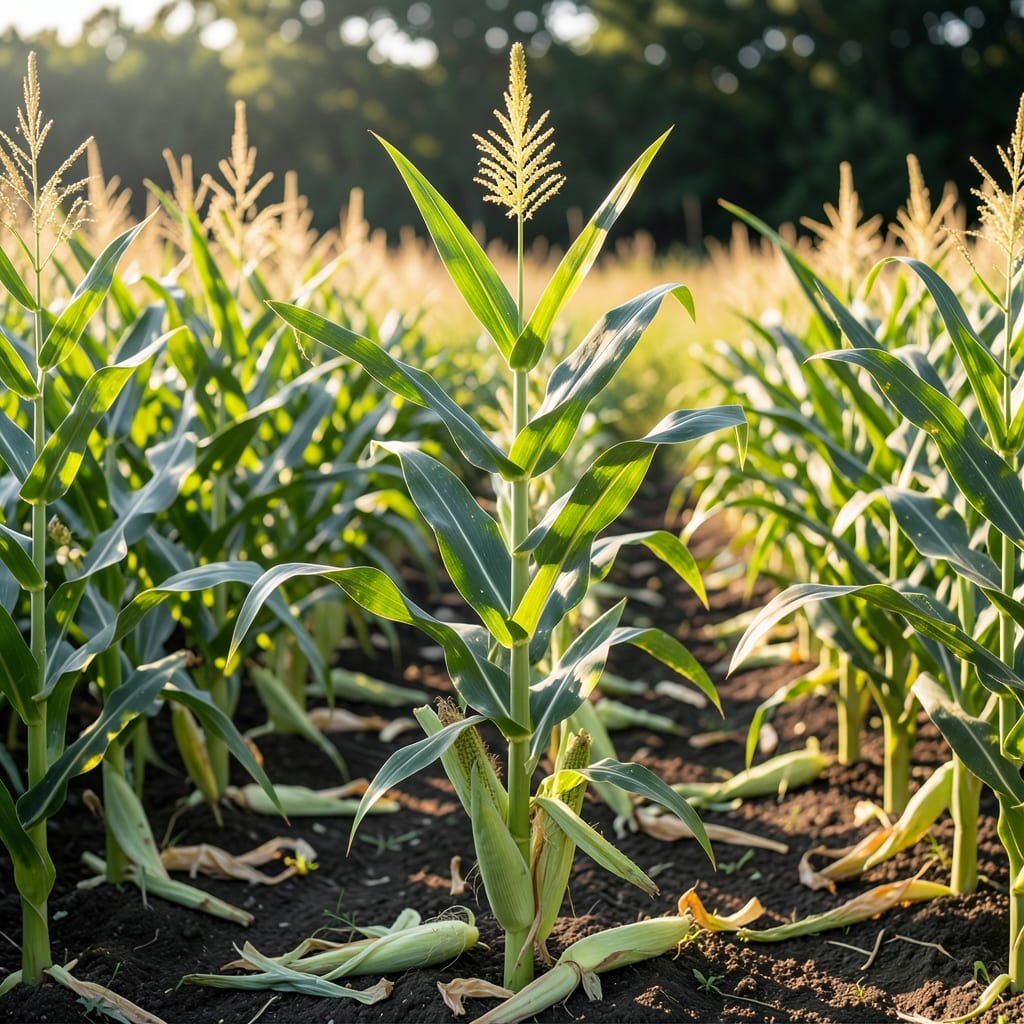
If you’re wondering how much light does a corn plant need, the answer is critical—because weak stalks or underdeveloped ears often mean you’re missing the light equation entirely. Corn isn’t just any plant—it’s a sun-worshipper that demands 6-8 hours of direct sunlight daily to thrive, especially in USDA Zone 6a where spring planting kicks off after the last frost.
Too little light, and you’ll end up with spindly stalks or underdeveloped ears. Too much, and the plants can scorch. The trick? Balancing exposure without guessing—because unlike shade-loving veggies, corn won’t compromise. I’ll break down exactly how much light your corn needs, how to spot the signs of light stress, and even how to tweak care for partial shade if your garden isn’t a sunbathing paradise.
Think you’re giving your corn enough light? Let’s test that theory. Most gardeners overestimate sunlight exposure, especially in urban areas where buildings cast sneaky shadows. I’ll show you how to measure light accurately and adjust your planting strategy—whether you’re prepping rows in April or troubleshooting a lackluster harvest in July.
By the end, you’ll know the exact light requirements for lush 🌽 corn growth, plus pro tips to maximize yield without burning your plants. Ready to turn those weak stalks into towering, ear-bearing giants?

Optimal light requirements for corn plant growth: hours and intensity breakdown
Corn plants (Zea mays) are sun-lovers that thrive under bright, direct sunlight. For healthy growth and maximum ear production, they need 6-8 hours of full sun daily. This means positioning your plants where they receive unfiltered sunlight for most of the day, especially during peak hours (10 AM to 4 PM). Without enough light, your corn will grow tall and leggy but produce small, poor-quality ears.
In outdoor gardens, corn should be planted in the sunniest spot available, ideally facing south in the Northern Hemisphere. If you're growing corn in containers or raised beds, ensure they’re placed where they won’t be shaded by trees, fences, or other plants. Even partial shade can reduce yield and weaken stalks, making them more susceptible to lodging (falling over).
For indoor growers, corn is a challenging plant because it requires so much light. A south-facing window may not provide enough intensity, especially in cloudy or northern climates. If you’re determined to grow corn indoors, you’ll need to supplement with grow lights to mimic full sun conditions. Without this, your plants will struggle to develop properly.
| Condition | Specification | Notes |
|---|---|---|
| Minimum Daily Light | 6 hours | Leggy growth below 5 hours |
| Optimal Daily Light | 6-8 hours | Maximizes ear development |
| Light Intensity | Full sun (direct) | Partial shade reduces yield |
| Indoor Supplement | Grow lights (12-16 hrs/day) | LED or fluorescent, 2-3 ft above plants |
| Seasonal Adjustment | Spring/Fall: 6+ hrs | Summer: 8+ hrs for peak yield |
Corn plants also respond to the intensity of sunlight. While 6-8 hours of direct light is ideal, the brightness matters just as much. In northern climates or during overcast days, corn may need even more hours to compensate for weaker sunlight. Pay attention to your plants’ leaf color: deep green leaves indicate healthy light exposure, while pale or yellowing leaves signal insufficient light.
If you’re growing corn in hot, dry climates, provide some afternoon shade during the peak heat (1-4 PM) to prevent heat stress. However, avoid excessive shade, as it can lead to poor pollination and fewer ears. A simple solution is to use lightweight shade cloth (30-50%) during the hottest part of the day while still allowing plenty of morning and late-afternoon sun.
For container-grown corn, choose the largest pot possible (at least 12 inches deep) and place it in a sunny, sheltered spot. Corn plants in containers dry out faster and need more frequent watering, but their light requirements remain the same. If your balcony or patio doesn’t get enough sun, consider reflective surfaces like white walls or mirrors to bounce extra light onto your plants.
Monitor your corn’s growth closely, especially during the vegetative stage (first 6-8 weeks). This is when plants establish their root systems and stalks. If you notice slow growth or weak stalks, it’s a sign they’re not getting enough light. At this stage, you can’t compensate for poor light conditions, so preventative placement is key. Once tasseling begins, the plant’s light needs become even more critical for ear development.
In urban gardens with limited space, consider vertical trellising for dwarf corn varieties. These can tolerate slightly less light (4-6 hours daily) but still require bright, indirect light for best results. Varieties like 'Golden Bantam' or 'Tiny and Tender' are great choices for smaller spaces, though they won’t produce ears as large as standard varieties.
Finally, remember that light quality changes with the seasons. In spring and fall, days are shorter, so corn may need to be planted earlier or later to maximize sunlight exposure. Use a sunlight tracker or app to monitor daily light hours in your specific location. This will help you adjust planting times and ensure your corn gets the optimal 6-8 hours of sun it craves.
Optimal light requirements for corn plant growth: hours and intensity breakdown
Corn plants are sun-hungry giants that demand 6-8 hours of direct sunlight daily to reach their towering 6-10 foot potential. Without enough light, your stalks will stretch weakly toward the sun—a condition called etiolation—while ears may fail to develop properly. This isn’t just about hours, though; it’s about intensity too. Bright, unfiltered sunlight (like midday rays) fuels photosynthesis far better than diffused morning light.
In USDA Zone 6a, where spring planting begins after the last frost (around April 15), corn needs to soak up every possible sunbeam. Early mornings and late afternoons count toward that 6-8 hour minimum, but midday sun (10 AM–4 PM) is non-negotiable. Without it, your plants will struggle to produce the energy needed for ear development, leading to smaller, underdeveloped harvests.
Here’s the breakdown: Indoor corn (yes, it’s possible!) needs a south-facing window with unobstructed light or supplemental grow lights. Outdoors, choose the sunniest spot in your garden, even if it means sacrificing a shady corner for your corn patch. Remember, corn won’t tolerate shade—it’s a full-sun plant through and through.
Seasonal shifts matter too. In spring and fall, when days are shorter, corn may need supplemental lighting to hit that 6-8 hour mark. If you’re planting in March or June (good months for Zone 6a), monitor sunlight carefully—early spring shadows can sneak up on you. Pro tip: Use a light meter or observe your plants’ shadows at noon. If the shadow is faint, you’re likely in partial shade.
Light intensity also affects leaf color. Healthy corn leaves are deep green and upright, while light-starved plants develop pale, yellowish leaves or stretch toward the light at odd angles. Even worse, too much direct sun can scorch leaves, turning them brown and crispy—especially in July and August when temperatures soar. The key is balance: bright but not scorching sunlight.
If your garden lacks natural sunlight, don’t despair. Grow lights can bridge the gap, but choose full-spectrum LEDs (12-16 hours/day) to mimic sunlight. Place them 6-12 inches above the plants and adjust as they grow. For outdoor gardens, rotate plants weekly to ensure even light exposure—corn stalks will lean toward the sun if one side gets more light.