
Light Requirements
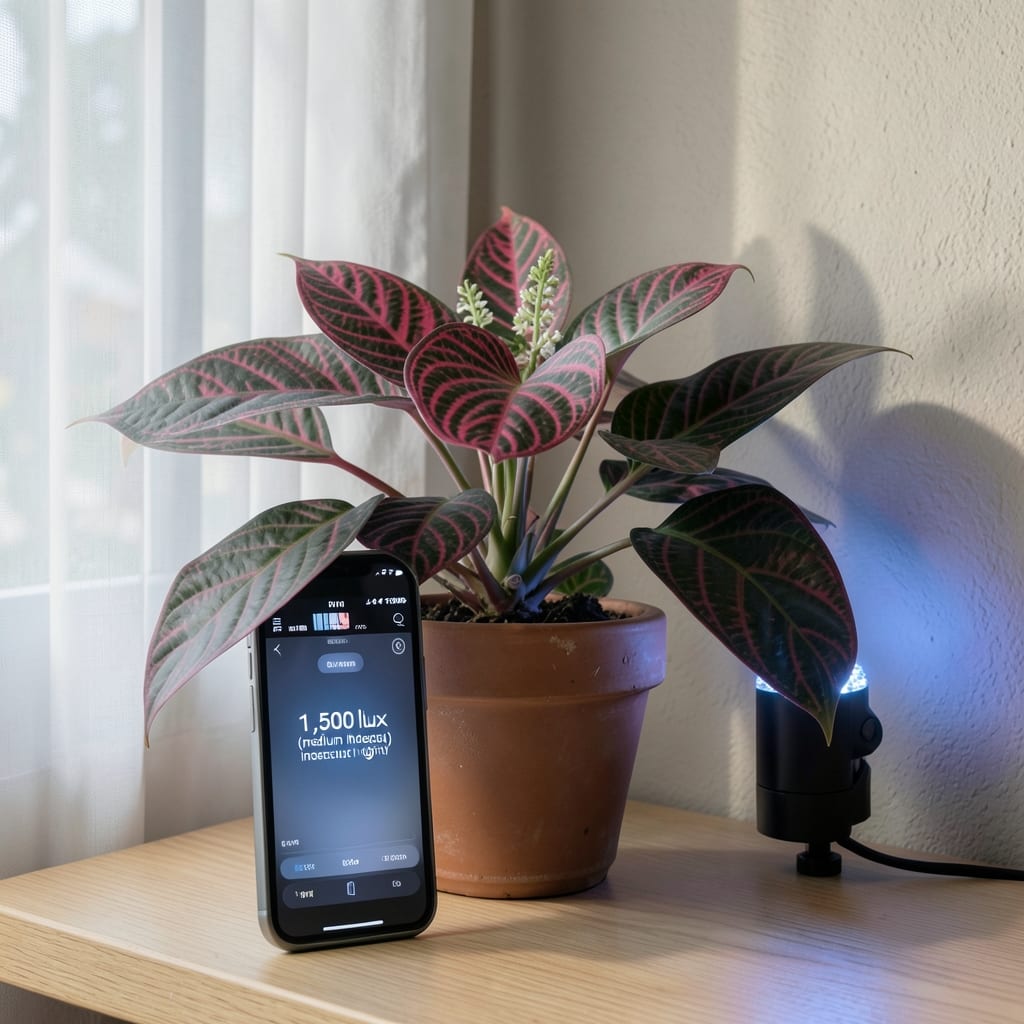
Ideal light requirements for prayer plant growth (Maranta leuconeura)
The prayer plant (Maranta leuconeura) thrives in bright, indirect light—think of it as the perfect balance between too dim and too harsh. Unlike sun-loving succulents, this tropical beauty needs protection from direct afternoon sun, which can scorch its delicate leaves. Aim for 4-6 hours of filtered light daily, mimicking its native understory habitat in South American rainforests.
I’ve found that placing my prayer plant 3-5 feet from an east-facing window creates the ideal environment. East-facing windows provide gentle morning sun while shielding it from the intense midday rays. If your home lacks natural light, don’t worry—we’ll cover artificial lighting solutions later in this guide to keep your plant happy year-round.
🌿
One common misconception is that prayer plants need low light like ferns. While they can tolerate lower light, their variegated leaves (like the stunning Maranta leuconeura 'Kerchoviana') will lose their vibrant patterns if deprived of enough light. I’ve seen variegated varieties fade to solid green when placed in dark corners—so don’t let that happen to your plant!
Seasonal changes also affect your prayer plant’s light needs. During spring and summer, when sunlight is strongest, use a sheer white curtain to diffuse light. In fall and winter, when natural light dims, you might need to rotate your plant every few weeks to ensure even growth. This prevents the plant from leaning toward the light source, which can cause weak stems.
For those with south-facing windows, be extra cautious. The intense midday sun can cause leaf burn within hours. If you notice crispy edges or bleached patches, immediately move your plant further away or add a sheer curtain. Trust me, your prayer plant will thank you with lush, vibrant foliage!
🪴
Pro tip: If you’re unsure about your home’s light conditions, try the shadow test. Place a white piece of paper near your potential spot and observe the shadows cast by nearby objects. If the shadows are sharp and dark, the light is too direct. If they’re soft and fuzzy, it’s likely the perfect bright indirect light your prayer plant craves.
Finally, remember that humidity plays a role in light tolerance. Prayer plants thrive in 50-70% humidity, which helps them handle slightly brighter conditions. Pairing proper light with a pebble tray or humidifier can make all the difference in preventing stress symptoms.
Signs of overlighting vs. underlighting (and how to fix them)
Your prayer plant's leaves tell a story about its light conditions. Overlighting often shows up as crispy, brown edges or bleached patches on leaves—these are classic signs your plant is getting too much direct sun. I’ve seen this happen quickly when a prayer plant sits near a south-facing window without protection. The delicate foliage can’t handle the intensity, especially in afternoon sunlight.
🌿
If your prayer plant’s leaves develop crispy brown edges or white/yellow patches, it’s a clear sign of overlighting. Move it further from the window or add a sheer curtain immediately. These symptoms can appear within hours of too much direct sun!
On the flip side, underlighting causes leaves to curl downward (hence the "prayer" name!) or stretch toward the light—a condition called etiolation. I’ve noticed my prayer plants develop long, leggy stems and smaller leaves when they’re not getting enough light. Variegated varieties also lose their color patterns, turning entirely green as they struggle to photosynthesize efficiently.
🪴
To diagnose your plant’s light needs, check these key visual cues:
- Overlighted: Crispy edges, bleached spots, or yellowing between veins
- Underlighted: Leaves curling downward, stretched stems, or dull foliage
- Perfect light: Bright green leaves with no brown edges, upright growth
If you spot overlighting symptoms, move your prayer plant 3-5 feet away from the window or use a light-colored sheer curtain to diffuse the light. For underlighted plants, try rotating the pot quarter-turns weekly to encourage even growth, or supplement with a grow light (we’ll cover this in the next section!).
💧
Pro tip: Humidity can mask light issues. If your home is dry (below 50% humidity), your prayer plant might show underlighting symptoms even in adequate light. Pair proper lighting with a pebble tray or humidifier to help your plant thrive in bright indirect light.
Remember, prayer plants are adaptable, but they communicate their needs clearly. Pay attention to these visual cues, and you’ll keep your plant’s foliage lush and vibrant for years to come!