
How To
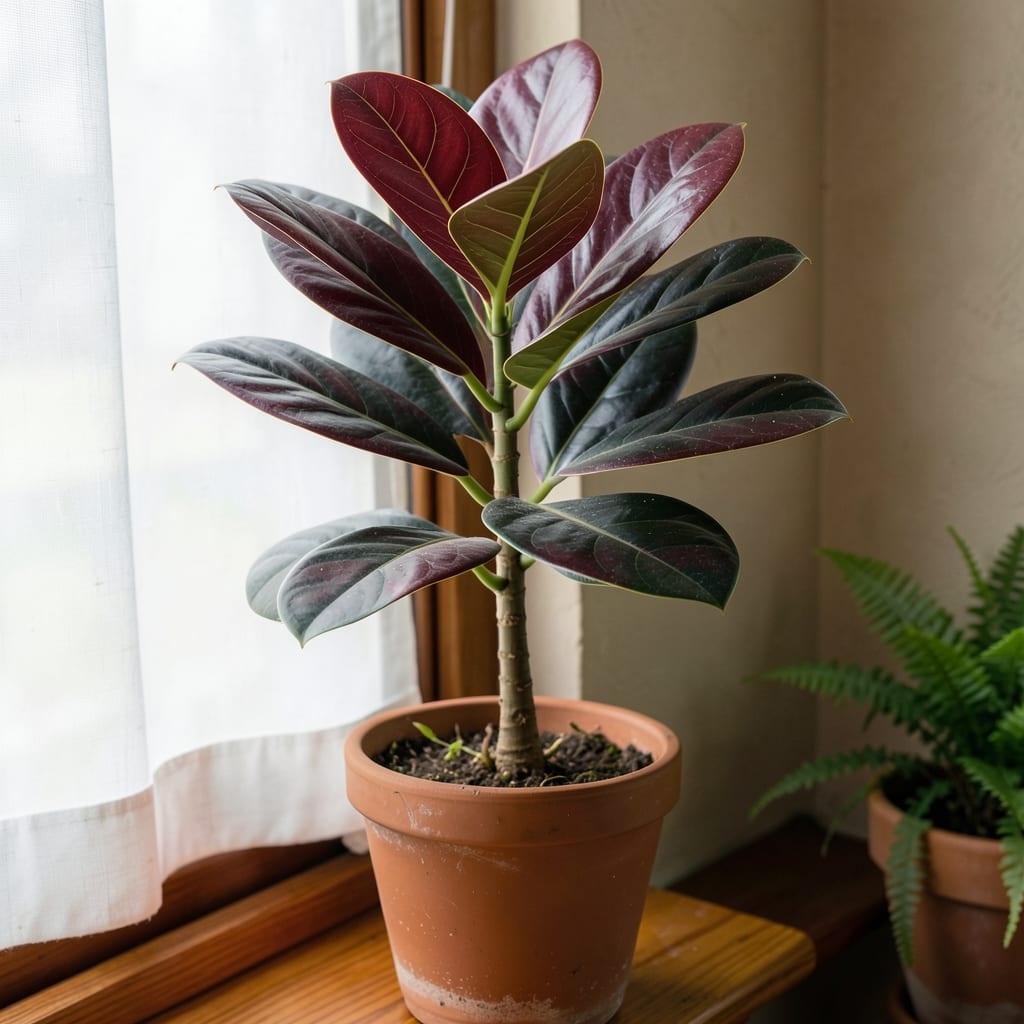
Figuring out how much light for rubber plant success can feel like solving a puzzle—too little, and your 🌿 wilts; too much, and it crisps at the edges. The key isn’t guessing; it’s understanding your rubber plant’s sweet spot: 6-10 hours of bright, indirect sunlight daily. This isn’t just about survival—it’s about helping your plant grow those bold, glossy leaves you love.
Most people assume rubber plants thrive in any corner, but they’re actually picky about their light conditions. Place yours near an east or north-facing window, where morning sun gently filters through without scorching. If your space lacks natural light, don’t panic—we’ll cover how to mimic those ideal conditions with artificial lighting too.
You’ll also learn to spot the subtle (and not-so-subtle) signs your plant is begging for more—or less—light. Yellowing leaves? Stretched-out stems? These clues are your plant’s way of saying, “Adjust my light, please!” By the end, you’ll know exactly how to create the perfect environment for your rubber plant to flourish all year round.
Whether you’re a beginner with a single leaf or a seasoned plant parent, these tips will help your rubber plant reach its full potential. Let’s get your 🌿 growing strong and healthy—no more guesswork, just results.

Optimal light requirements for rubber plant growth: the 6-10 hour rule
Your rubber plant thrives on bright indirect light, not harsh direct sunlight. Think of it like a morning coffee—just enough to wake up without burning. The ideal spot delivers 6-10 hours of filtered light daily, which encourages those signature glossy leaves and sturdy stems. Without this balance, your plant will either stretch painfully toward any available light or develop unsightly brown patches from too much intensity.
Natural light is best, but not all windows are created equal. East-facing windows provide gentle morning sun perfect for rubber plants, while north-facing windows offer consistent indirect light year-round. South-facing windows can work too, but only if you place your plant 3-5 feet away from the glass to diffuse the intensity. West-facing windows? Avoid them entirely—the afternoon sun is too aggressive for your rubber plant’s delicate leaves.
Rubber plants are adaptable, but they have limits. While they can tolerate 4-6 hours of light in lower-light conditions, growth will slow dramatically. On the flip side, more than 12 hours of direct sun will scorch leaves and stress the plant. The key is finding that Goldilocks zone where light is abundant but gentle, mimicking their natural understory habitat in tropical forests.
Seasonal adjustments are crucial. During summer months, your rubber plant may need partial shade, especially if you notice leaves curling or developing crispy edges. In winter, when natural light is scarce, supplement with a grow light if leaves start fading or stems elongate excessively. This seasonal flexibility ensures your plant maintains its vibrant health year-round.
Here’s a quick rule of thumb: If your rubber plant’s leaves are facing the window, it’s likely stretching for more light. If they’re curling or developing brown spots, it’s getting too much direct sun. The goal is to position your plant where leaves grow upright and maintain their rich, deep green color—this is your visual cue for perfect lighting.
| Light Condition | Ideal Hours/Day | Window Placement | Leaf Response |
|---|---|---|---|
| Bright Indirect | 6-10 hours | East/North window, 2-3 ft away | Deep green, glossy leaves |
| Low Light | 4-6 hours | North window or room corner | Pale leaves, leggy growth |
| Direct Sun | >12 hours | South/West window, no filter | Brown spots, crispy edges |
| Artificial Light | 12-14 hours | Grow light, 6-12 inches away | Steady growth, no stretching |
If your home lacks natural light, grow lights are a game-changer. LED grow lights with a 5000-6500K color temperature mimic natural sunlight and can keep your rubber plant thriving. Position the light 6-12 inches above the plant and provide 12-14 hours of light daily. Rotate the plant weekly to ensure even growth—this prevents the plant from leaning toward the light source, which creates weak, spindly stems.
Outdoor rubber plants also need careful light management. In spring and fall, they can handle morning sun with afternoon shade, but during summer’s peak, move them to a spot with dappled shade or provide a sheer curtain to filter harsh rays. This mimics their natural forest-floor habitat, where sunlight is abundant but never overwhelming.
Pro tip: Use a light meter or phone app to measure light levels in your space. Aim for 1,000-3,000 foot-candles of light—this range keeps your rubber plant happy without risking sunburn. If you’re unsure, start with a north-facing window and adjust based on your plant’s response over a few weeks.
Remember, your rubber plant’s leaves are its superpower. When they’re deep green and glossy, you’ve nailed the light balance. When they’re yellowing or developing brown patches, it’s time to reassess. With these guidelines, your rubber plant will reward you with lush, vibrant growth for years to come.
Optimal light requirements for rubber plant growth: the 6-10 hour rule
The rubber plant (Ficus elastica) thrives in bright indirect light, but many gardeners accidentally place it in spots that either stunt its growth or scorch its leaves. The magic number is 6-10 hours of filtered sunlight daily—think of it as a balance between morning sun and afternoon shade. This mimics its natural habitat under tropical forest canopies, where dappled light reaches the ground.
Direct midday sun (11 AM–3 PM) can turn your rubber plant’s leaves crispy along the edges, while deep shade causes leggy, weak stems and pale leaves. The goal is to replicate the east-facing window glow—gentle morning rays followed by softer afternoon light. If you’re unsure about your space, start with 4-6 hours of indirect light and adjust based on your plant’s response.
🌿
| Light Condition | Ideal Hours/Day | Leaf Appearance | Growth Effect |
|---|---|---|---|
| Bright Indirect Light | 6-10 hours | Glossy, deep green | Compact, healthy |
| Direct Sunlight | >3 hours | Brown/yellow edges | Burnt, stunted |
| Low Light | <2 hours | Pale, small leaves | Leggy, weak stems |
Seasonal adjustments are key. In summer, your rubber plant may need afternoon shade—move it 2-3 feet away from south-facing windows or use a sheer curtain to diffuse harsh rays. Conversely, winter’s weaker sunlight means supplementing with a grow light (12-14 inches away) for 12-14 hours daily to maintain its energy levels.
Pro tip: Rotate your plant quarter-turns every 2 weeks to ensure even growth. Rubber plants grow toward the light, so uneven exposure leads to lopsided foliage. This simple habit keeps your plant symmetrical and prevents weak stems from bending toward the window.
For outdoor growers, partial shade (like under a patio cover) works best in USDA Zones 9-11. In cooler zones, bring potted rubber plants indoors before temperatures drop below 50°F—cold drafts stress them, and their light needs change dramatically in winter.