
Light Requirements
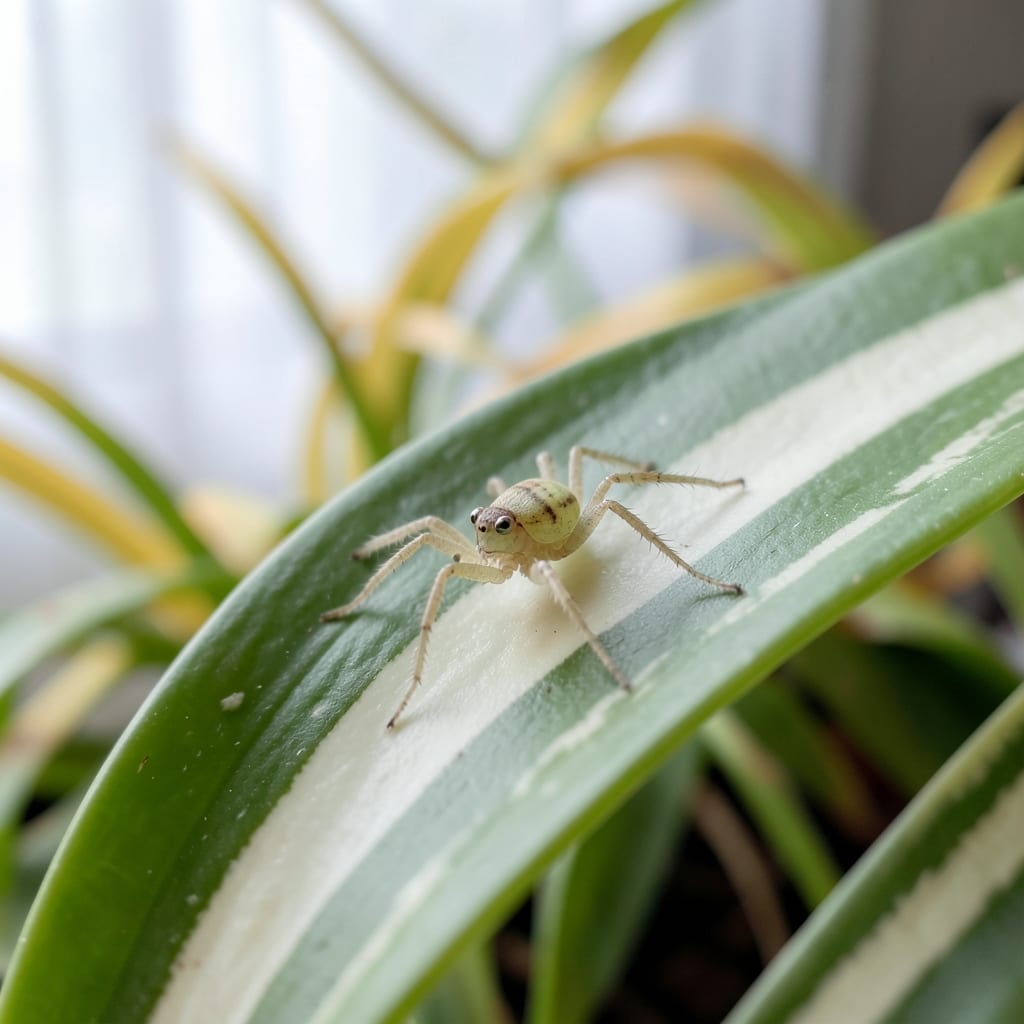
If your 🕷️ Spider Plant is looking sadder than a sloth on a Monday morning, the answer might be simpler than you think—it’s not about how much you love it, but how much light should a spider plant get. This hardy plant thrives in bright, indirect sunlight, but too much or too little can turn your green friend into a crispy (or pale) mess.
Most people assume Spider Plants are low-maintenance, but the truth is, they’re picky about their light conditions. Too little, and you’ll see brown tips or slow growth. Too much, and those pretty variegated leaves might start fading like a forgotten highlighter. The sweet spot? 6 to 8 hours of bright, indirect light—think east-facing windows or a cozy spot near a north window.
Here’s the good news: Spider Plants are forgiving, which makes them perfect for beginners. Whether you’re dealing with a leggy plant stretching toward the light or crispy edges from too much sun, I’ll show you exactly how to adjust their environment. By the end, your 🕷️ Spider Plant will be growing like it’s on a caffeine IV drip.
Ready to turn your plant from “meh” to “wow”? Let’s dive into the ideal light setup and how to spot when your Spider Plant is begging for a change of scenery.


Ideal light requirements for spider plants: the perfect balance of brightness and indirect sun
Spider plants (Chlorophytum comosum) are one of the most popular houseplants because they're hardy and adaptable—but their light needs are the key to unlocking their full potential. Too little light, and they’ll stretch and weaken. Too much direct sun, and their leaves will scorch. The sweet spot? 4 to 6 hours of bright, indirect light daily, with a maximum of 8 hours for optimal health.
Think of your spider plant like a coffee drinker: it enjoys a strong brew (bright light) but gets jittery (stressed) if exposed to harsh sunlight (like standing in direct midday sun). The ideal setup mimics the dappled light of a forest understory, where sunlight filters through leaves above. This balance keeps their variegated patterns vibrant and prevents those dreaded brown tips.
Here’s the breakdown: Medium to bright indirect light is non-negotiable. If your home has east-facing or north-facing windows, your spider plant will thrive there. South-facing windows can work too, but only if you place the plant 3 to 5 feet away to avoid harsh afternoon rays. West-facing windows? Use a sheer curtain to diffuse the light.
Your spider plant’s leaf color is a dead giveaway for its light needs. If the variegation (white/yellow stripes) fades to solid green, it’s craving more light. Conversely, if the leaves turn yellow or develop brown tips, it’s getting too much direct sun. Pro tip: Rotate your plant quarter-turns every 2 weeks to ensure even growth and prevent it from leaning toward the light source.
Outdoor enthusiasts can move their spider plants outside during spring and summer, but always acclimate them gradually to avoid shock. Start with 1–2 hours of morning sun and gradually increase exposure over 1–2 weeks. Avoid placing them in full afternoon sun, as the intensity can damage their delicate foliage.
For low-light conditions, like a dim office or basement, supplement with a LED grow light placed 6–12 inches above the plant. Aim for 12–14 hours of light daily to mimic a longer day cycle. Brands like Sylvania Grow Lux or GE Energy Smart are budget-friendly options that work wonders for indoor plants.
Remember, adaptability is key. If your spider plant starts showing signs of stress, don’t panic—simply adjust its location or light source. With the right balance, your plant will reward you with lush, arching foliage and an abundance of spiderettes (baby plants) for propagation.
Now that you’ve got the light down, let’s talk about the best spots to place your spider plant in your home or garden—because the right location can make all the difference! 🌿
Best locations for spider plants: where to place them for maximum growth
Finding the perfect spot for your 🕷️ spider plant can feel like solving a puzzle, but the right location makes all the difference. Unlike sun-worshipping succulents, spider plants thrive in bright, indirect light, which means you’ll want to avoid harsh midday sun. The best windows for these plants are east-facing or north-facing, where morning light is gentle and afternoon rays are diffused.
If your home only has south- or west-facing windows, place your spider plant 3 to 5 feet away to filter out intense sunlight. A sheer curtain can also work wonders by softening the light without blocking it entirely. For low-light conditions, like a dim office or bathroom, consider moving the plant to a brighter area or supplementing with a grow light.
Natural Light vs. Artificial Light
Natural Light
- ✅ Pros: Free, natural spectrum, encourages healthy growth
- ✅ Best for: East/west/north windows
- ❌ Cons: Can be too harsh in south/west windows, seasonal light changes
Artificial Light
- ✅ Pros: Consistent light, adjustable intensity, works in any room
- ✅ Best for: Dim offices, basements, or winter months
- ❌ Cons: Requires setup, ongoing costs for bulbs
For outdoor placement, spider plants can handle a touch of fresh air during spring and summer, but they’re not fans of extreme heat or direct afternoon sun. Start by placing them in partial shade under a tree or on a covered patio. If you’re moving your plant outside, acclimate it gradually over 1–2 weeks to avoid shock. Begin with 1–2 hours of morning sun and slowly increase exposure.
If your home lacks natural light, LED grow lights are a game-changer. Place them 6–12 inches above your spider plant and keep them on for 12–14 hours daily to mimic a full day cycle. Full-spectrum bulbs, like Sylvania Grow Lux, are budget-friendly and effective. Just avoid placing the light too close—burn risk is real if the leaves get too hot!
Pro tip: Rotate your spider plant quarter-turns every 2 weeks to ensure even growth. This prevents it from leaning toward the light source and keeps those arching leaves looking their best. Whether indoors or out, the key is balance—too little light, and your plant will stretch; too much, and it’ll scorch.
Now that you’ve mastered the art of placement, let’s tackle the telltale signs that your spider plant isn’t happy with its current light setup—because spotting these early can save your plant (and your sanity)! 🌿