
How To
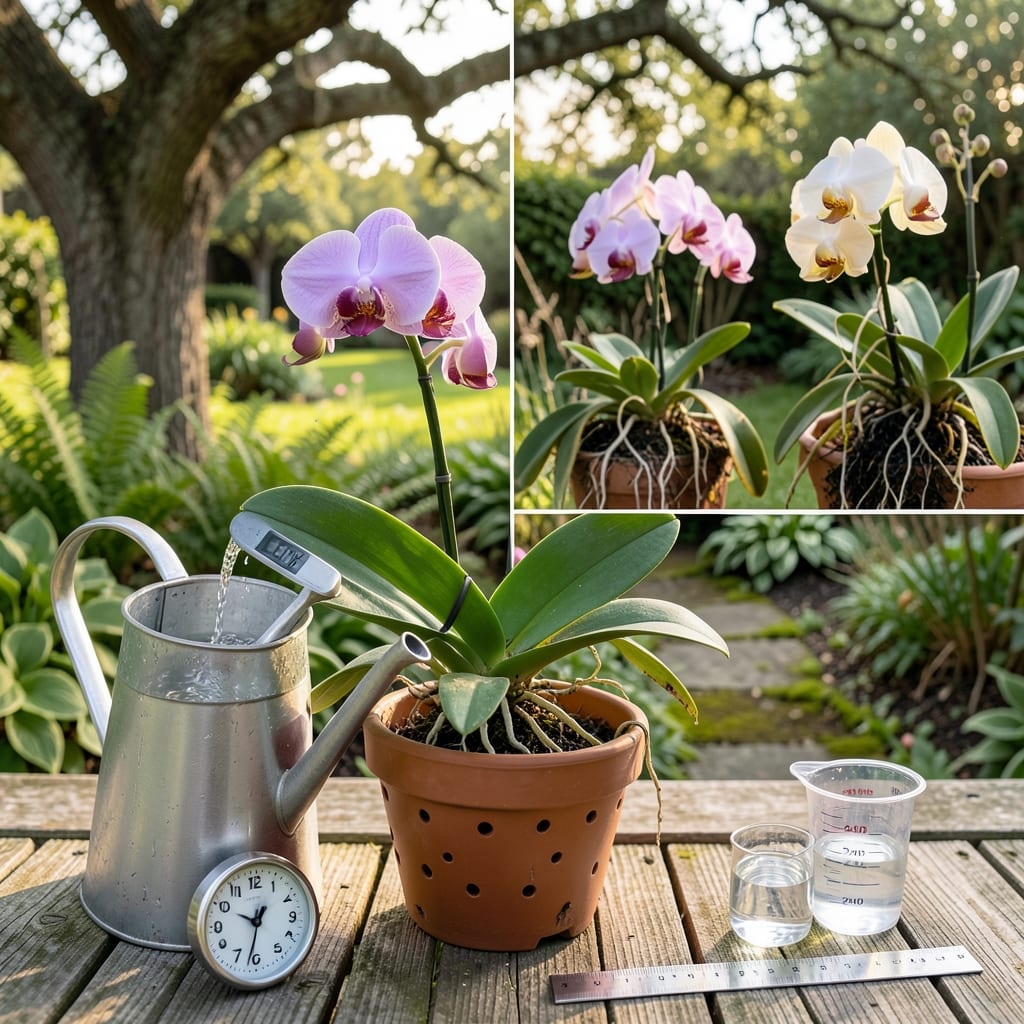
Figuring out how much water do I need to give outdoor orchids a day can feel like guessing—pour a little too much, and you risk root rot; too little, and your 🌸 plants wilt faster than you can say "spring blooms." The truth is, your orchids' thirst depends on more than just the calendar, and getting it right means healthier plants with fewer headaches.
I’ve watched too many gardeners overcomplicate this, so let’s cut to the chase. Whether you’re growing Phalaenopsis, Cattleya, or another variety, the key lies in understanding your orchid’s species, pot size, and even your local climate. A 1-cup daily dose might work for a small pot in humid air, but a larger plant in dry conditions could need twice that—plus adjustments for rain or drought.
What if you’re not sure if your orchid is drinking enough? We’ll cover the telltale signs—droopy leaves, yellowing roots, or that musty smell—that scream "fix your watering routine now." No more playing detective; just clear, actionable steps to keep your orchids thriving without the guesswork.
Ready to master the art of watering? By the end, you’ll know exactly how to hydrate your orchids for stronger roots, brighter blooms, and a garden that’s the envy of the neighborhood. Let’s dive in.
Daily watering requirements for outdoor orchids by species type
Orchids aren’t one-size-fits-all when it comes to water. Your Phalaenopsis might need 1 cup daily in summer, while a Cattleya thrives on half that amount every other day. The key is matching your watering routine to your orchid’s natural habitat—whether it’s tropical humidity or arid mountain slopes. Let’s break down the exact measurements for the most common outdoor orchid varieties.
For container-grown orchids, always measure water by the pot’s size. A 6-inch pot typically holds about 1 cup of water, while a 12-inch pot can absorb up to 2 cups. But here’s the catch: drainage is non-negotiable. If water pools in the saucer after 10 minutes, your orchid is getting too much. Outdoor orchids planted in well-draining soil or orchid bark mixes need less frequent watering—often every 2-3 days—because the roots breathe better.
Climate plays a massive role. In humid zones (like Florida or Hawaii), orchids may only need water every 2-4 days, while dry climates (like Arizona) demand daily watering in summer. Even within one region, morning watering prevents fungal issues, and rainfall counts toward your daily total. Track your local relative humidity—aim for 40-70%—to adjust accordingly.
Seasonal shifts matter too. In spring and summer, most orchids drink 20-50% more due to heat and active growth. But by fall and winter, reduce water to every 5-7 days unless your orchid is evergreen. Dormant varieties, like Cymbidiums, might barely need water at all during cold months.
🌸 Pro Tip: Use the finger test—stick your finger 1 inch into the mix. If it’s dry, water; if damp, wait. This beats guessing and saves your orchid from root rot.
| Orchid Type | Pot Size | Daily Water (Summer) | Frequency (Dry Climate) | Notes |
|---|---|---|---|---|
| Phalaenopsis (Moth Orchid) | 6-inch | 1 cup (250ml) | Every 1-2 days | Loves humidity; reduce in winter |
| Cattleya | 8-inch | 1.5 cups (375ml) | Every 2-3 days | Drought-tolerant; avoid soggy roots |
| Dendrobium | 10-inch | 2 cups (500ml) | Daily (summer) | Needs high light; water in AM |
| Vanda | 12-inch | 3 cups (750ml) | Every 2 days | Epiphytic; mimics tropical rain |
| Cymbidium | 14-inch | 1 cup (250ml) | Every 5-7 days (winter) | Dormant in cold months |
If you’re growing orchids in ground beds instead of pots, the rules change slightly. The soil retains moisture longer, so water every 2-3 days in summer and weekly in winter. Always water at the base of the plant to avoid wetting leaves, which can cause brown spots or fungus. Mulch with orchid bark or pine needles to slow evaporation and keep roots cool
Daily watering requirements for outdoor orchids by species type
Orchids are finicky about water—too much and their roots suffocate, too little and they wilt faster than a cut flower. The secret? Tailoring your approach to the orchid species and pot size. For example, a Phalaenopsis (moth orchid) in a 6-inch pot might need just ½ cup daily, while a Cattleya in an 8-inch pot could drink up to 1 cup every 2 days. Humidity and temperature throw even more variables into the mix.
Let’s break it down by the most common outdoor orchid types. The table below gives you the exact measurements and seasonal adjustments you need to avoid the dreaded "mushy root" syndrome. Remember: morning watering is key—it gives excess moisture time to evaporate before nightfall.
Pro tip: Use the finger test to double-check. Stick your finger about an inch into the orchid mix—if it feels damp, hold off on watering. If it’s bone-dry, it’s time to hydrate. This method beats guessing every time.
Climate plays a huge role too. In humid zones like Florida, I cut watering by 30% compared to dry climates like Arizona. And if you’re growing orchids in containers vs. ground-planted, containers dry out faster—so water them more frequently. Always ensure your pots have drainage holes; stagnant water is a one-way ticket to root rot.
One last trick: Use room-temperature water (never cold) and water at the base of the plant, not over the leaves. This mimics their natural epiphytic habitat and keeps fungal diseases at bay. With these adjustments, your orchids will reward you with vibrant blooms and lush foliage all season long.