
How To
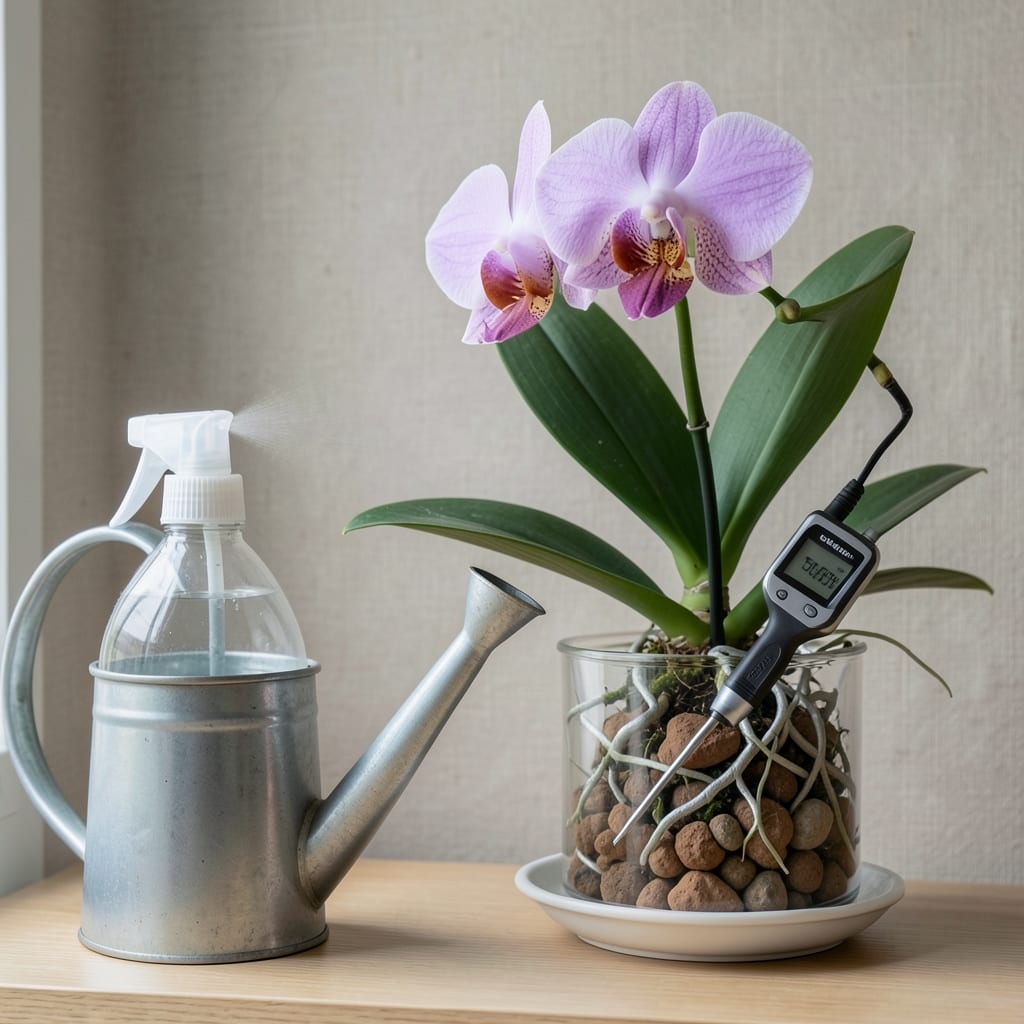
Mastering how often to water orchids in clay pebbles is the game-changer between a vibrant 🌸 and a struggling plant. Unlike traditional soil, clay pebbles drain differently, creating a unique balance that confuses even experienced growers. The key lies in understanding your orchid's subtle signals—when roots shift from silvery to green, or when the pot feels lighter than expected.
I’ve seen firsthand how a simple 3-day rule can transform orchid care from guesswork to confidence. But timing isn’t just about days—it’s about reading your plant’s environment. Humidity, season, and even your home’s temperature play a bigger role than you might think. Let’s break down exactly how to adjust your watering schedule so your orchid thrives year-round.
Overwatering is the silent killer of orchids in clay pebbles, but so is underwatering. You’ll learn to spot the difference between thirsty roots and soggy disaster zones. By the end, you’ll water with precision, not panic, and watch your orchid reward you with lush blooms and healthy growth.
Ready to ditch the guesswork? I’ll walk you through every step—from the science behind the 3-day rule to seasonal tweaks that keep your orchid happy in every climate. Let’s get started.
The science behind the 3-Day watering rule for orchids in clay pebbles
Clay pebbles aren’t just decorative—they completely change how orchids absorb water. Unlike traditional soil, they don’t retain moisture but instead create an aerated environment that mimics orchids’ natural epiphytic habitat. This unique setup means your orchid’s roots need frequent but brief hydration, which is where the 3-day rule comes in.
The rule works because clay pebbles dry out quickly between waterings, preventing root rot while still keeping the medium slightly damp. Think of it like a sponge that wrings out fast—your orchid gets just enough moisture without sitting in soggy conditions. This balance is crucial because orchid roots suffocate in waterlogged media but also wither without consistent hydration.
Here’s the secret: orchid roots change color to tell you when they’re thirsty. When dry, they turn silvery-gray, but after watering, they shift to green within hours. This visual cue is your best friend for sticking to the 3-day rhythm. Without it, you’re essentially watering blind—and that’s how most orchids end up struggling.
But why three days specifically? Research shows that most orchid varieties need 48-72 hours between thorough waterings when using clay pebbles. This timeframe lets the roots breathe between drinks while still maintaining enough moisture for photosynthesis. The key is consistency—once you find your orchid’s sweet spot, you’ll see healthier roots and more frequent blooming.
| Factor | Clay Pebbles Impact | 3-Day Rule Benefit |
|---|---|---|
| Moisture Retention | Low (dries 3x faster than soil) | Prevents root rot |
| Root Aeration | High (roots stay oxygenated) | Encourages healthy growth |
| Drainage | Perfect (excess water drains instantly) | Eliminates waterlogging |
| Root Color Cues | Visible shifts (silver→green) | Easy watering schedule tracking |
Temperature plays a surprising role in this 3-day rhythm. In cooler months, your orchid’s metabolism slows, so roots absorb moisture more slowly. That means you might stretch waterings to 4-5 days in winter without risking dehydration. Conversely, summer heat can speed up evaporation, requiring water every 2-3 days instead. Always check those root colors!
Humidity is another game-changer. If your home is dry (like 30% humidity or lower), clay pebbles will dry out faster, demanding more frequent watering. But in humid conditions (above 50%), you can safely extend the gap to 4 days. A simple hygrometer ($10 at garden centers) solves this guessing game instantly.
Light levels also influence how quickly clay pebbles dry. Orchids need bright indirect light (12-14 hours daily), which speeds up evaporation compared to low-light conditions. If your orchid sits in dimmer spots, you’ll likely water less often—but watch for yellowing leaves, a sign of underwatering in low light.
Pro tip: Always water in the morning between 8-10 AM. This gives roots all day to dry slightly before nighttime humidity sets in. Night watering is a common mistake that leads to fungal infections—your orchid’s roots need that drying period to stay healthy.
Remember, the 3-day rule is a starting point, not a rigid law. Your orchid will teach you its preferences over time. The more you observe those root color changes and adjust for your environment, the more confident you’ll become. Soon, watering will feel like second nature—and your orchid will thank you with vibrant blooms year-round.
The science behind the 3-Day watering rule for orchids in clay pebbles
Clay pebbles aren’t just decorative—they’re a game-changer for orchid care. Unlike traditional soil, these porous stones create an airy root zone that mimics an orchid’s natural epiphytic habitat. This means water drains faster, but it also evaporates quicker, leaving roots vulnerable to drying out. The 3-day rule isn’t arbitrary; it’s rooted in how orchids absorb moisture through their velamen layer, a spongy outer root coating that stores water efficiently.
The rule works because clay pebbles hold just enough moisture to keep roots hydrated for 72 hours without suffocating them. Overwatering here leads to root rot in days, while underwatering causes roots to shrivel. Think of it like a moisture buffer system—your orchid’s roots should feel damp but never soggy. This balance is why the 3-day interval becomes your orchid’s lifeline, especially in low-humidity environments.
Here’s what happens under the surface: When you water, the pebbles absorb moisture and release it slowly. After 3 days, about 80% of that water has evaporated or been absorbed by the roots, signaling it’s time to water again. This cycle prevents salt buildup (a common issue with orchids) and encourages robust root growth. Without this rhythm, your orchid’s roots can’t breathe, leading to stunted growth or disease.
| Factor | Clay Pebbles Effect | 3-Day Rule Impact |
|---|---|---|
| Moisture Retention | Low (evaporates quickly) | Prevents overwatering |
| Root Aeration | High (roots stay oxygenated) | Encourages healthy growth |
| Salt Buildup | Minimal (flushed with watering) | Reduces fertilizer damage |
| Humidity Dependence | Moderate (adapts to environment) | Adjustable watering frequency |
Temperature plays a hidden role in this process. In warmer rooms (75°F+), clay pebbles dry out faster, so you might need to water every 2-3 days. Conversely, cooler spaces (60°F-65°F) can stretch the 3-day window to 4-5 days. This is why I always check the root color before watering—silvery roots mean thirst, while green roots signal they’ve had enough. Pro tip: Use a moisture meter for accuracy if you’re unsure.
Seasonality also tweaks the rule. During summer’s peak heat, orchids in clay pebbles may need watering every 2 days, while winter’s dry air can extend the cycle to 5 days. The key is observing your orchid’s environmental cues, not just sticking to a rigid schedule. For example, a sunny windowsill will dry pebbles faster than a shaded corner. Pay attention to these details, and you’ll master the art of seasonal watering adjustments.
One common mistake is assuming all orchids follow the same rule. Phalaenopsis orchids (the most common type) thrive with this method, but Cattleyas or Oncidiums might need slight variations. Always start with the 3-day baseline, then fine-tune based on your specific orchid’s growth habits. With practice, you’ll develop an intuition for when to water—no guesswork required.
Remember, the goal isn’t perfection—it’s consistency. Even a slight miscalculation in watering can stress your orchid, but the 3-day rule gives you a foolproof starting point. Once you’ve nailed this, you’ll be ready to tackle seasonal adjustments and troubleshooting signs like a pro. Let’s put this science into action with real-world indicators next.