
Flowers
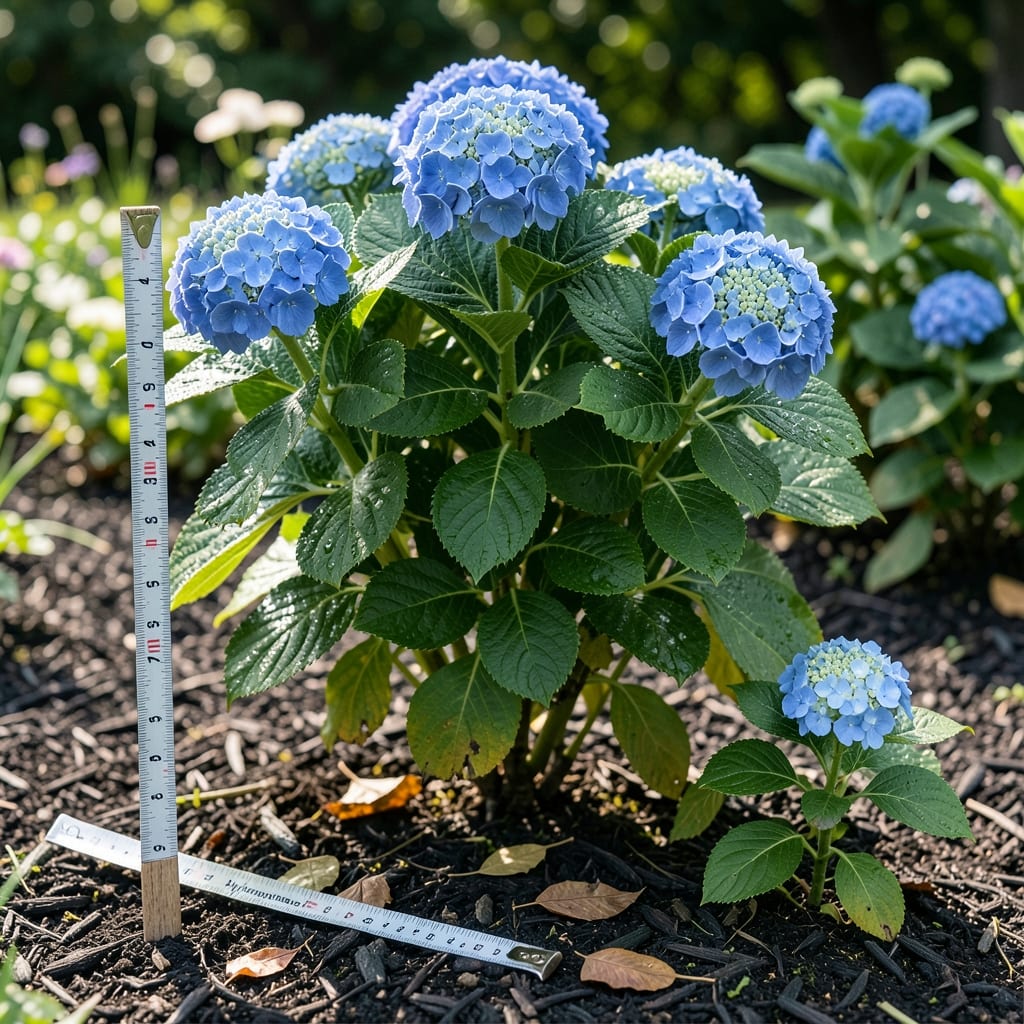
If you're dreaming of lush, blooming hydrangeas but wondering how tall and wide they’ll grow, the answer depends more on the variety than you might think. Some varieties stay compact enough for containers, while others can reach tree-like heights—making the right choice crucial for your garden’s layout.
Picture this: a mophead hydrangea 🌸 bursting with vibrant blooms, or a panicle type stretching gracefully toward your backyard fence. The key to perfect placement starts with knowing each type’s mature size, from 3 feet to over 8 feet tall. Let’s break down what to expect so you can plan your garden like a pro.
Whether you’re working with limited space or aiming for a dramatic privacy screen, understanding growth habits saves you from costly mistakes. We’ll cover everything from dwarf varieties that thrive in pots to sprawling shrubs that need room to shine—plus how sunlight and pruning shape their size over time.
Ready to transform your outdoor space with the perfect hydrangea? By the end, you’ll know exactly which varieties fit your vision—and how to give them the care they need to reach their full, stunning potential.


Hydrangea growth sizes by variety: a complete size guide
Hydrangeas are one of the most popular shrubs for their stunning blooms and lush foliage, but their size can vary dramatically depending on the variety. Knowing how tall and wide each type grows helps you plan your garden layout—whether you want a privacy screen, a container specimen, or a border plant. Let’s break down the mature sizes of the most common hydrangea types so you can choose the perfect fit for your space.
Most hydrangeas reach their full height and width within 3 to 5 years, though some varieties grow more aggressively. For example, panicle hydrangeas often outpace mophead varieties, while oakleaf hydrangeas strike a balance between size and manageability. Understanding these differences ensures you avoid overcrowding or underutilizing your garden beds.
Here’s a quick reference for the most popular hydrangea varieties, including their mature height and width ranges, growth habits, and ideal spacing. This will help you visualize how they’ll look in your garden before you plant.
| Variety | Mature Height | Mature Width | Growth Habit | Ideal Spacing |
|---|---|---|---|---|
| Mophead (Bigleaf) | 3–6 ft | 3–5 ft | Bushy, rounded | 4–6 ft apart |
| Lacecap (Bigleaf) | 3–5 ft | 3–4 ft | Compact, airy blooms | 3–4 ft apart |
| Panicle (e.g., 'Limelight', 'Little Lime') | 4–12 ft | 4–8 ft | Upright, conical | 6–10 ft apart |
| Oakleaf (e.g., 'Pincushion') | 4–6 ft | 4–6 ft | Multi-stemmed, spreading | 5–6 ft apart |
| Smooth (e.g., 'Annabelle') | 3–5 ft | 3–5 ft | Bushy, dome-shaped | 4–5 ft apart |
| Dwarf Varieties (e.g., 'Mini Penny', 'Little Quick Fire') | 2–3 ft | 2–3 ft | Compact, slow-growing | 2–3 ft apart |
Note: Spacing ensures airflow and prevents disease. Adjust for container gardening.
If you’re planning a small garden, dwarf varieties like 'Mini Penny' or 'Little Quick Fire' are ideal—they thrive in containers and won’t overwhelm your space. For larger yards, panicle hydrangeas like 'Limelight' can create stunning vertical accents or privacy screens when planted in rows.
One key factor influencing size is sunlight. Most hydrangeas prefer partial shade, which can slow their growth compared to full-sun conditions. For example, a mophead hydrangea in full sun might grow 1–2 feet taller than one in dappled shade. Always check the specific variety’s light requirements when planning your layout.
Soil quality also plays a role in growth. Hydrangeas thrive in well-draining, acidic soil (pH 5.5–6.2). If your soil is alkaline, the blooms may stay pink instead of turning blue, but the plant’s size won’t be affected. Amending soil with compost or peat moss can encourage healthier, fuller growth over time.
Pruning habits can also influence how large your hydrange
How to choose hydrangea size for your garden layout
Selecting the right hydrangea size for your garden starts with matching the variety to your space and design goals. Whether you have a cozy patio, a sprawling backyard, or a container garden, the wrong choice can lead to overcrowding or wasted potential. For example, a 6-foot panicle hydrangea planted too close to a house might block windows, while a 3-foot dwarf variety in a large border could get lost.
Begin by measuring your planting area. If you’re working with limited space, prioritize dwarf varieties like 'Mini Penny' (2–3 ft tall) or 'Little Quick Fire', which thrive in 10- to 12-inch pots. These are perfect for balconies, small yards, or even as window-box plants. For larger areas, consider standard mophead or oakleaf hydrangeas, which create stunning focal points when spaced 5–6 feet apart.
- 📏 Measure your space: Use a tape measure to determine available width and height. Account for mature size plus 2–3 feet for airflow.
- 🌿 Match variety to sunlight: Full-sun varieties (like panicle types) grow taller but need 6+ hours of light. Shade-tolerant types (like mophead) stay compact in dappled light.
- 🏡 Plan for privacy or accents: Tall panicle hydrangeas (8–12 ft) make privacy screens when planted in rows. Medium varieties (4–6 ft) work well as border plants or specimen shrubs.
- 🪴 Containers limit height: Dwarf varieties in pots stay 2–3 ft tall, but even standard types can be pruned to fit. Use large containers (18+ inches wide) for better stability.
- 🌱 Group by size: Place tall varieties at the back of borders and shorter ones in front. This creates depth and highlights each plant’s shape.
For small gardens, combine hydrangeas with other compact shrubs like boxwood or dwarf lilacs. Their layered heights add visual interest without overwhelming the space. In larger gardens, use panicle hydrangeas as vertical accents—plant them near fences or trellises to guide the eye upward. Their conical shape also works beautifully in mixed shrub borders alongside ornamental grasses or azaleas.
Don’t overlook seasonal interest. Oakleaf hydrangeas, for example, offer fall foliage color (reds and purples) that complements their summer blooms. If you love long-lasting flowers, panicle types like 'Limelight' keep their blooms well into autumn, while mopheads fade faster but boast bold, round clusters. Choose based on what excites you most!
Pro tip: Sketch your garden layout before planting. Use graph paper to scale hydrangeas to size—this helps visualize how they’ll interact with paths, patios, and other plants. Adjust spacing if you’re combining multiple varieties to avoid competition for water and nutrients. With the right placement, your hydrangeas will thrive for years while enhancing your outdoor space perfectly.