
Size
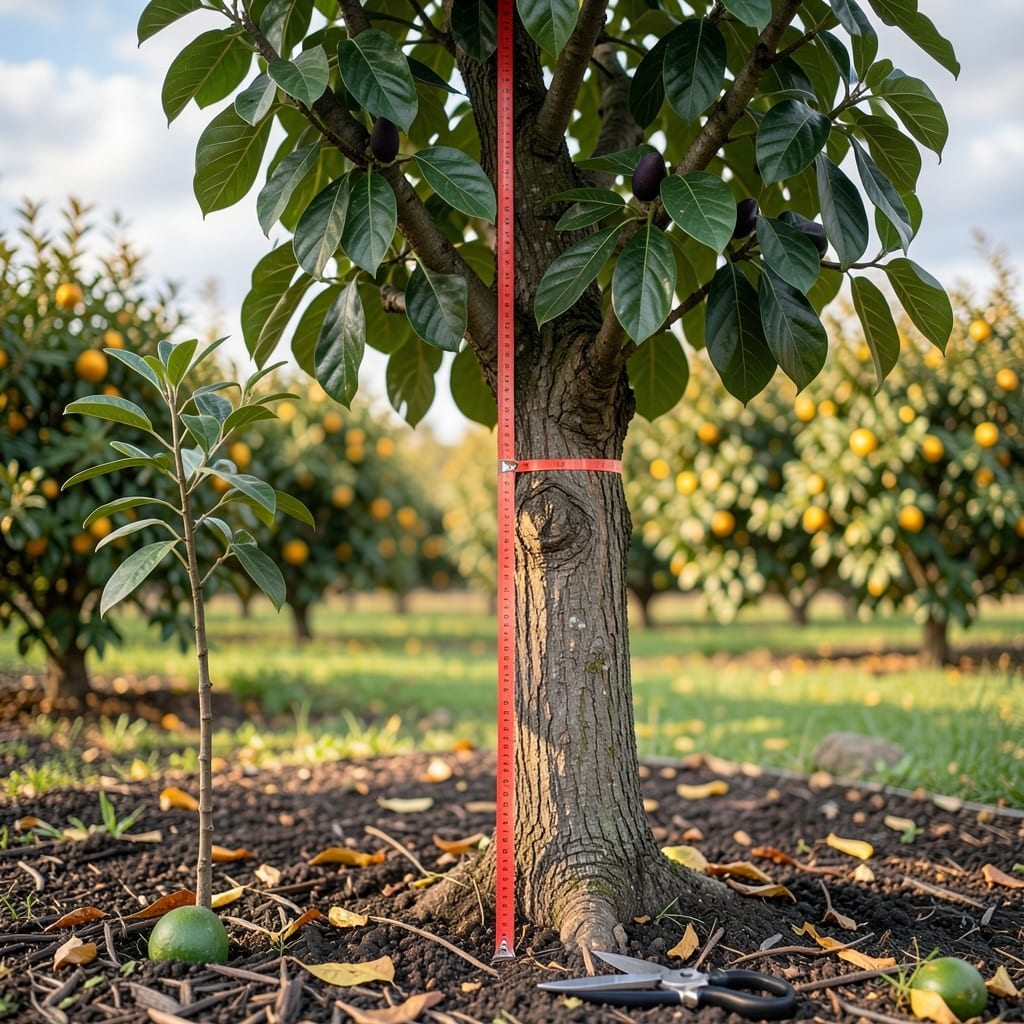
If you’ve ever dreamed of growing your own avocado tree—only to hesitate because of how tall an avocado tree can grow—you’re not alone. The 🥑 avocado tree can grow anywhere from a manageable 10 feet to a staggering 80 feet, depending on the variety and care you provide. But before you commit to planting, understanding these growth ranges is the key to creating space for your tree without sacrificing its potential.
Picture this: a dwarf avocado tree thriving in your backyard, its lush branches just tall enough to reach, while a standard variety stretches toward the sky like a tropical giant. The difference isn’t just about space—it’s about pruning techniques, climate zones, and even the type of soil you use. Whether you’re in Zone 6 or a warmer region like Zone 9b, knowing how to control your tree’s height will save you headaches (and pruning bills) down the road.
In this guide, I’ll break down the exact height ranges for popular varieties, from compact dwarfs to sky-high standards, and share proven strategies to keep your tree at your ideal size. You’ll learn how climate, pruning, and even container growing can transform a potential monster into a manageable (and fruitful) addition to your garden.
Ready to grow your own avocado tree without the worry? Let’s dive into the details so you can plant with confidence—and enjoy those creamy, homegrown fruits for years to come.


Avocado tree height ranges by popular varieties: dwarf to giant sizes
When choosing an avocado tree, the mature height is one of the first decisions you’ll need to make. Some varieties stay compact enough for patios or small backyards, while others grow tall enough to shade an entire property. The key difference often comes down to grafting techniques, where a dwarf rootstock is combined with a desired fruit-bearing variety to control size.
For example, a standard Hass avocado tree left unpruned can reach 50–80 feet, while the same variety grafted onto a dwarf rootstock stays between 10–15 feet. This grafting magic is how many gardeners enjoy avocados without sacrificing their yard space. Let’s explore the height ranges of popular varieties so you can pick the perfect fit for your garden.
🥑 Visual Guide: Avocado Tree Height Comparison
| Variety | Standard Height (ft) | Dwarf Height (ft) | Best For |
|---|---|---|---|
| Hass | 50–80 | 10–15 | Large yards, commercial orchards |
| Fuerte | 40–60 | 12–18 | Backyards, containers (with pruning) |
| Bacon | 30–50 | 10–14 | Small gardens, urban patios |
| Reed | 25–40 | 8–12 | Containers, balconies |
| Duke | 40–60 | 12–16 | Medium-sized yards |
| Lamb Hass | 30–50 | 10–14 | Cold-hardy zones (Zone 7+) |
| Wurtz | 20–30 | 8–12 | Small spaces, pots |
Note: Dwarf varieties require grafting onto specialized rootstock like Mexican or West Indian types.
If you’re growing avocados in containers, even standard varieties can be kept smaller through root pruning and regular trimming. For instance, a Hass tree in a 15-gallon pot might max out at 12–15 feet with consistent care. The trade-off? Container-grown trees may produce fewer fruits but are far easier to manage in urban settings.
For small gardens, varieties like Bacon or Reed are ideal—their dwarf forms stay under 15 feet, making them perfect for backyards or even large patios. Meanwhile, Hass and Fuerte are better suited for larger properties where their full height can be enjoyed without crowding other plants.
One common misconception is that all avocado trees grow to 80 feet. While this is possible for untamed standard varieties, most gardeners use pruning or grafting to control height. Even in tropical climates like Zone 10, where avocados thrive, regular maintenance keeps trees at a manageable size for harvest and aesthetics.
Pro tip: If you’re in Zone 6 or colder, opt for cold-hardy varieties like Lamb Hass grafted onto dwarf rootstock. These stay compact while still producing fruit, making them a great choice for northern growers.
Ready to pick your perfect variety? Choose based on your space, climate, and whether you prefer a low-maintenance dwarf or a tropical giant with endless pruning potential. 🌱
Climate Zone impact on avocado tree height: how cold tolerance affects growth
Avocado trees thrive in warm climates, but their height potential shifts dramatically depending on your USDA hardiness zone. In frost-free zones like Zone 10-11, these trees can reach their full 50-80-foot height, while in cooler zones like Zone 8-9, they may stay stunted or require winter protection. Understanding this relationship helps you choose the right variety and manage expectations for your garden space.
The Hass avocado, for example, grows to 20-30 feet in California’s Zone 9b-10a but may only reach 10-15 feet in Florida’s Zone 10b-11 due to humidity and soil differences. Meanwhile, cold-hardy varieties like Duke or Lamb Hass can survive Zone 7b winters but rarely exceed 15-20 feet in height.
Here’s how climate directly impacts avocado tree growth:
| Zone | Cold Tolerance | Mature Height | Growth Notes |
|---|---|---|---|
| 10-11 | No frost risk | 50–80 ft | Unrestricted growth; full sun required |
| 9a-9b | 15–20°F tolerance | 30–50 ft | Prune aggressively in winter; use windbreaks |
| 8a-8b | 10–15°F tolerance | 15–25 ft | Grow in containers; move indoors in winter |
| 7b | 5–10°F tolerance (dwarf varieties only) | 10–15 ft | Plant near south-facing walls; mulch heavily |
In Zone 9b, like Southern California or Arizona, avocado trees grow 30-50% taller than in Zone 10 due to ideal temperatures and longer growing seasons. However, in Zone 8, winter pruning becomes critical to prevent dieback—cutting back 25-30% of growth annually can maintain a manageable 15-20 foot height while preserving fruit production.
For gardeners in Zone 7 or colder, container growing is often the only option. Dwarf varieties like Mexicola or Wurtz stay under 10 feet but require year-round care, including moving pots indoors during winter. Even with these precautions, expect stunted growth and smaller fruit yields compared to tropical climates.
If you’re in a transition zone (Zone 8-9), focus on root protection and microclimate selection. Planting near a south-facing wall or using mulch mounds can add 5-10°F of warmth, encouraging taller growth. Just remember: even in ideal conditions, avocado trees need 5-7 years to reach their mature height—patience is key!