
Plants
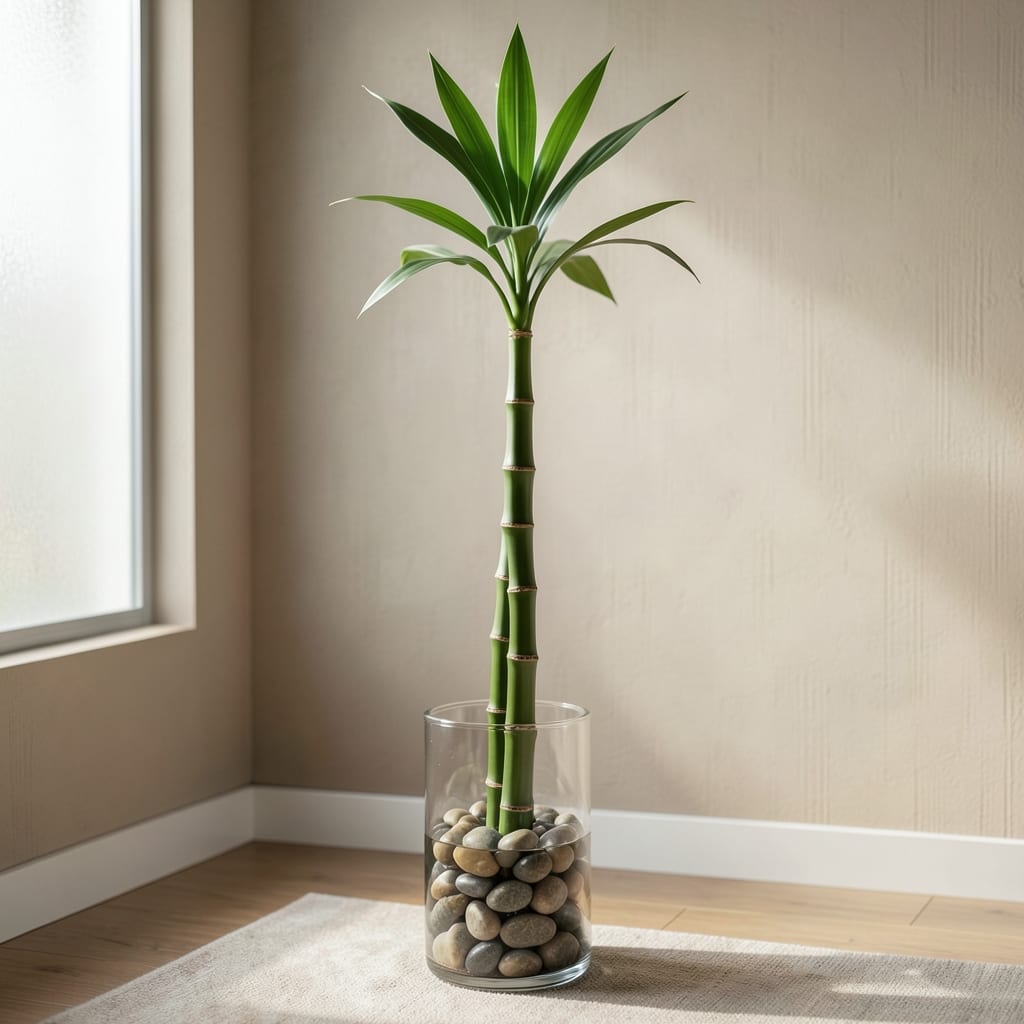
If you’ve ever wondered just how tall a bamboo plant 🌿 can grow, the answer might surprise you—some varieties shoot up to 100 feet in just five years, turning your backyard into a towering green skyscraper. But before you start measuring your property for a bamboo skyscraper, there’s a catch: not all bamboo behaves the same way.
The difference between clumping and running bamboo is the key to controlling height and spread. Clumping types like Fargesia stay compact, perfect for small gardens, while aggressive runners like Phyllostachys can dominate landscapes if left unchecked. Whether you’re in USDA Zone 6a or a warmer climate, understanding these growth patterns will help you choose the right variety for your space.
What really sets bamboo apart is its growth speed—some species add 3 feet per day during peak seasons. That’s why timing matters: planting in spring (March–April) gives your bamboo the best start, but without proper care, even the fastest growers can become unmanageable. I’ll show you how to harness that growth (or rein it in) with simple techniques that work.
From selecting dwarf varieties for containers to installing root barriers for running types, you’ll learn exactly how to get the height you want—without turning your yard into a jungle. Let’s break down the facts so you can grow bamboo that fits your vision, not your worries.


Bamboo growth heights by species: from 3 feet to 100 feet in 5 years
Bamboo’s height potential is one of its most impressive traits, but it varies wildly between species. The tallest varieties, like Phyllostachys vivax, can reach 100 feet in just five years, while dwarf types like Bambusa multiplex max out at 3–6 feet. This dramatic difference comes down to two key factors: whether the bamboo is clumping or running, and its native climate. Clumping bamboo, such as Fargesia, grows in tight clusters and stays manageable, while running types like Phyllostachys spread aggressively and can dominate landscapes.
For gardeners in USDA Zone 6a, cold-hardy species like Borinda or Fargesia nitida are excellent choices, reaching 10–20 feet without invasive spread. Meanwhile, tropical varieties like Dendrocalamus asper thrive in warmer climates and can tower over 60 feet. Understanding these differences helps you pick the right type for your space—whether you want a privacy screen or a container-friendly accent plant.
Here’s the key takeaway: growth height is directly tied to species. A 3-foot dwarf bamboo in a pot won’t become a 100-foot giant, but a running bamboo left unchecked will spread like wildfire. Let’s break down the height ranges so you can choose wisely.
| Variety | Type | Max Height | Growth Rate | Best For |
|---|---|---|---|---|
| Phyllostachys vivax | Running | 100 ft | 3 ft/day (peak) | Large landscapes |
| Dendrocalamus asper | Running | 60–80 ft | 2 ft/day (peak) | Tropical climates |
| Fargesia nitida | Clumping | 10–15 ft | 1 ft/year | Small gardens |
| Bambusa multiplex | Clumping | 3–6 ft | 6 inches/year | Containers |
| Borinda | Clumping | 12–20 ft | 1.5 ft/year | Cold climates |
If you’re planting in spring (March–April), timing is everything. Bamboo planted at the right time can grow 3 feet in a single day during peak seasons, especially if given partial sun (4–6 hours daily) and well-draining soil. For example, Phyllostachys aureosulcata (Golden Bamboo) can add 10 feet per year if conditions are ideal, making it a favorite for privacy screens. Meanwhile, Fargesia species grow slower but stay compact, perfect for urban gardens or balcony planters.
One common misconception is that all bamboo grows to 100 feet. In reality, only a handful of running types reach that height—most stay under 20 feet if properly managed. For instance, Bambusa vulgaris, often called common bamboo, tops out at 60 feet but spreads aggressively. If you’re in a small space, clumping types like Fargesia murielae (only 6–10 feet) are far better choices.
Another factor to consider is soil quality. Bamboo thrives in loamy, well-draining soil with a pH of 5.5–7.0. Poor soil can stunt growth, while rich, organic soil can push a running bamboo to its maximum height
How to control bamboo height: pruning, barriers, and cold-climate strategies
Controlling bamboo height starts with understanding its growth habits. Running bamboo spreads aggressively through underground rhizomes, while clumping bamboo stays put. If you’re growing Phyllostachys or Bambusa varieties, expect rapid vertical growth—up to 3 feet per day in ideal conditions. The key is to intervene early before those towering canes become unmanageable.
For height control, pruning is your best friend. Cut back canes to your desired height in late winter or early spring before new shoots emerge. Use clean, sharp pruners to avoid damaging the plant. Remember, bamboo regrows quickly, so regular pruning keeps it in check—think of it like trimming a hedge, but with taller stakes.
If you’re dealing with aggressive runners, install root barriers at least 3 feet deep and 2 feet wide to contain the rhizomes. Bury the barrier 12 inches deep and extend it 18 inches above ground to block new shoots. For small gardens, consider clumping bamboo like Fargesia or Borinda, which naturally stay contained.
Cold climates present unique challenges. Most bamboo thrives in USDA Zones 6-10, but hardy varieties like Fargesia nitida or Borinda fastuosa can survive down to Zone 5 with proper mulching. In colder areas, protect young plants with burlap wraps or straw mulch to shield them from winter winds and frost.
Mulching isn’t just for winter—it’s a year-round strategy. Apply a 3-inch layer of organic mulch (like wood chips or straw) around the base to suppress weeds, retain moisture, and slow rhizome spread. For tropical bamboo in cooler climates, use a cloche or cold frame during early spring to extend the growing season.
Finally, avoid these common mistakes: planting bamboo too close to structures, ignoring soil drainage (bamboo hates soggy roots), or assuming dwarf varieties will stay small forever. With the right techniques, you can enjoy bamboo’s dramatic height without losing control of your landscape.