
How To
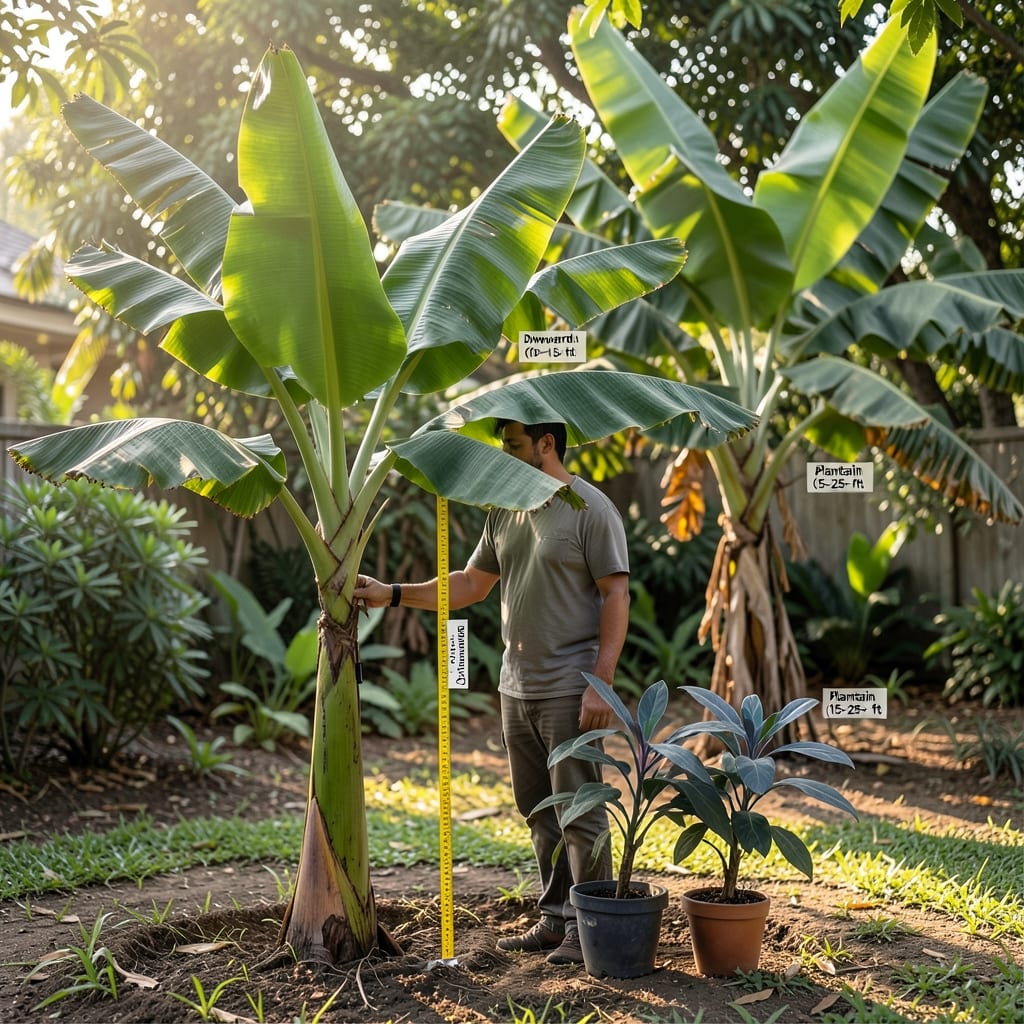
If you’ve ever wondered just how tall a banana tree 🍌 can grow, the answer might surprise you—some varieties stretch toward the sky like tropical skyscrapers, while others stay humble and manageable. The height of your banana tree isn’t just a matter of luck; it depends on the variety you choose, where you live, and how you care for it.
Picture this: a 30-foot banana tree towering over your backyard, its broad leaves swaying in the breeze. While that might sound like a jungle fantasy, certain commercial varieties—like the iconic Giant Red—can reach those impressive heights. But dwarf varieties? They’ll stay cozy at just 6–10 feet, making them perfect for urban gardens or containers.
So, what’s the key to unlocking your banana tree’s full height potential—or keeping it in check? It’s all about the right conditions: warm climates, rich soil, and consistent care. Whether you’re dreaming of a backyard jungle or just want a manageable houseplant, I’ll show you how to discover the perfect height for your space—and how to nurture it there.
Ready to find out which varieties fit your garden (or balcony!) and how to give them the best shot at reaching their skyward potential? Let’s break it down.


Banana tree height by variety: from dwarf to giant species
Not all banana trees are created equal—some varieties stretch toward the sky like tropical giants, while others stay compact enough for containers. The height of your banana tree depends entirely on the variety you choose, with ranges spanning from 6 feet to over 30 feet. Whether you’re dreaming of a backyard jungle or a manageable houseplant, understanding these differences is key to selecting the right plant for your space.
For example, the Dwarf Cavendish, a popular variety in home gardens, typically maxes out at 10–12 feet, making it ideal for smaller yards or even large pots. On the other end of the spectrum, the Giant Red banana—common in commercial plantations—can soar to 25–30 feet, rivaling the height of a two-story house. Even within these extremes, there’s a spectrum of sizes to explore.
Here’s a quick look at how some of the most popular banana varieties compare in height, along with their ideal growing conditions and care tips to help you choose the perfect fit for your garden.
The Dwarf Cavendish is a favorite for beginners because it stays manageable while still producing edible fruit. Its smaller stature makes it perfect for containers or small urban gardens, where space is limited. Meanwhile, the Giant Red is all about drama—its towering height makes it a statement piece, but it requires ample space and a warm climate to thrive.
If you’re growing bananas in cooler climates, opt for varieties like the Ice Cream banana, which tolerates slightly lower temperatures better than its tropical cousins. For ornamental value, the Red Dacca stands out with its striking red fruit and bold leaves, even if it doesn’t produce the best-tasting bananas.
No matter which variety you choose, remember that height isn’t the only factor—growth rate, fruit quality, and adaptability to your climate also play crucial roles. For instance, the Lady Finger banana grows quickly but may not handle frost, while the Blue Java is more resilient in subtropical zones. Match your variety to your growing conditions for the best results.
Once you’ve picked your variety, the next step is creating the ideal environment to help it reach its full height potential—or keep it in check if space is limited. That’s where understanding the key factors influencing growth comes into play.
Key factors that influence banana tree height growth
Your banana tree’s height isn’t just about the variety you choose—it’s a delicate balance of environmental factors that either fuel its growth or hold it back. Think of it like a tropical skyscraper: without the right foundation (soil, water, sunlight), even the tallest varieties will struggle to reach their full potential. Let’s break down the critical factors that determine how high your banana tree will soar—or stay compact.
First, climate plays the biggest role. Banana trees thrive in USDA Zones 10–12, where temperatures stay warm year-round. In cooler zones, growth slows dramatically, and trees may never exceed 10–15 feet unless grown in containers and brought indoors during winter. Even a single frost can kill a mature tree, so if you’re in a colder region, plan for container gardening or a greenhouse to protect your plant.
Next, soil quality acts like a growth fertilizer. Banana trees crave well-draining, nutrient-rich soil with a slightly acidic pH (5.5–7.0). Heavy clay or sandy soil can stunt growth, while amended soil with compost or organic matter gives roots the fuel to support taller stems. I’ve seen 30-foot trees in tropical gardens with deep, fertile soil—versus stunted 8-footers in poor soil conditions.
Climate & Temperature
Ideal: Year-round warmth (70–90°F). Stunts growth: Below 50°F or frost. Solution: Use containers for mobility in cooler zones.
Sunlight Exposure
Needs: 6+ hours of direct sun daily. Overgrowth risk: Partial shade slows height but may cause weak stems. Tip: South-facing windows or full sun in gardens.
Watering Consistency
Critical: Deep watering (1–2 gallons) every 2–3 days. Warning: Drought stress causes leaf drop and stunted growth. Fix: Mulch to retain moisture.
Don’t overlook sunlight, either. While banana trees love full sun, too much intense afternoon heat can scorch leaves, slowing vertical growth. In desert climates, I recommend partial shade during peak hours to keep the tree healthy without sacrificing height. Meanwhile, watering consistency is non-negotiable—banana trees need deep, frequent watering (1–2 gallons every 2–3 days). Skimp on water, and you’ll see yellowing leaves and stunted growth within weeks.
Finally, fertilization and pruning can either boost or limit height. Over-fertilizing with nitrogen can lead to lush foliage but weak stems, while strategic pruning (removing old leaves) redirects energy upward. For maximum height, feed with a balanced fertilizer (10-10-10) every 4–6 weeks during the growing season—but avoid heavy feeding in winter if you’re in a cooler zone.
Want to optimize your banana tree’s height? Start by matching its variety to your climate, amend your soil, and keep it hydrated. With the right conditions, even a dwarf variety can surprise you with extra growth—while a giant will reach for the sky. The key is patience and precision. 🌿