
Plants
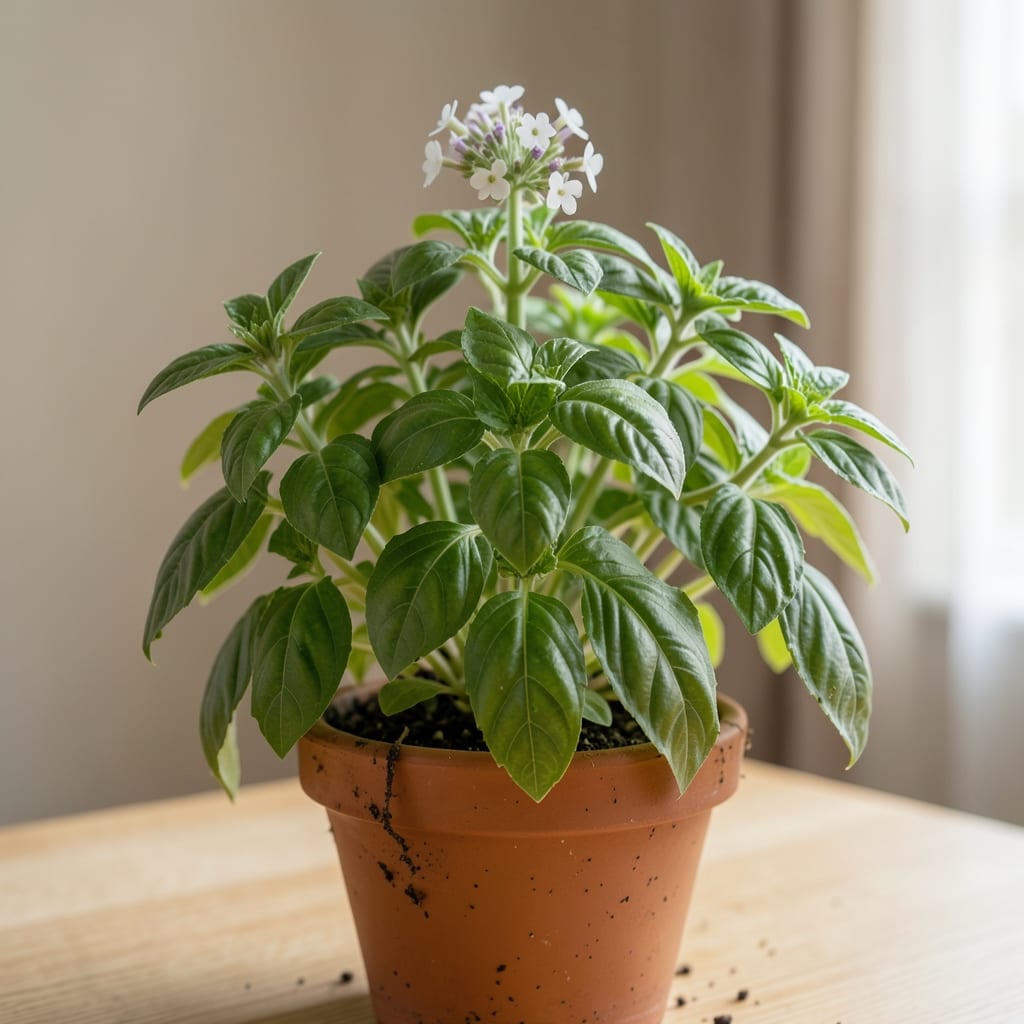
If you’ve ever wondered how tall can a basil plant grow 🌿 and why yours seems to either sprawl like a jungle vine or stay stubbornly compact, the answer lies in its genetics—and how you care for it. Some varieties naturally reach 2 feet or more, while others stay neatly under 12 inches, all depending on the type and growing conditions.
The height of your basil isn’t just about luck—it’s a mix of the variety you’ve planted and how you prune it. Whether you’re growing Genovese for pesto or Thai basil for spicy dishes, understanding these differences can help you control its growth and keep it thriving in your garden or windowsill.
In this guide, I’ll break down the natural height ranges for different basil types and share practical tips to manage their growth. From pinching back leggy stems to staking taller varieties, you’ll learn how to keep your basil at the perfect height for harvesting—without sacrificing flavor or yield.
Ready to transform your herb garden from chaotic to controlled? Let’s dive into how tall basil really grows and how you can shape it to your needs.


Basil plant height by variety: natural growth limits explained
Basil plants don’t grow to the same height by accident—it all comes down to the variety you choose and how you care for it. Without pruning, most standard basil varieties like Genovese can reach 18–24 inches, while dwarf types like 'Spicy Globe' max out at just 6–12 inches. The difference isn’t just aesthetics; it affects how you harvest and maintain your plants.
Genetic factors determine a basil plant’s maximum height potential, but environmental conditions like sunlight exposure, soil quality, and climate can push it toward the upper or lower end of that range. For example, Thai basil often grows taller than Italian basil because it’s bred for a more vigorous, upright habit.
Here’s how basil varieties compare when grown under ideal conditions (full sun, well-draining soil, and regular watering):
| Variety | Natural Height Range (Unpruned) | Growth Habit | Best For |
|---|---|---|---|
| Genovese | 18–24 inches | Upright, bushy | Pesto, containers |
| Thai Basil | 20–28 inches | Tall, slender | Asian dishes, stir-fries |
| Purple Basil | 12–18 inches | Compact, bushy | Garnishes, ornamental |
| Lemon Basil | 16–22 inches | Medium, spreading | Citrus dishes, teas |
| Spicy Globe | 6–12 inches | Dwarf, rounded | Window boxes, small pots |
| Dark Opal | 14–20 inches | Tall, narrow | Salads, fresh eating |
*Height varies with pruning and growing conditions.
If you’re growing basil in containers, expect plants to stay on the shorter side—12–18 inches—because root space limits growth. However, if you let it grow unchecked in the ground with rich soil and full sun, some varieties like Thai basil can surpass 2 feet and even reach 3 feet in ideal climates.
One common misconception is that taller basil is always better. In reality, compact varieties like Spicy Globe produce more leaves per square inch, making them ideal for small gardens or windowsills. Meanwhile, taller types like Thai basil are perfect for vertical gardening or training along trellises.
Sunlight is the #1 factor influencing height. Basil grown in partial shade (less than 6 hours of sun) will stretch toward the light, a condition called etiolation, resulting in leggy, weak stems. To prevent this, always plant basil in the sunniest spot available, even if it means moving it as the season progresses.
Soil fertility also plays a role. Basil thrives in well-draining, nutrient-rich soil with a pH of 6.0–7.0. If your soil is poor, plants may grow slowly and stunted. Amend the soil with compost or a balanced fertilizer (like 10-10-10) at planting time to encourage healthy growth.
Climate matters too. In hot, humid regions, basil may grow faster and taller, while in cooler climates, it might stay shorter unless you extend the growing season with row covers. If you’re in Zone 5 or below, treat basil as an annual and start seeds indoors 6–8 weeks before your last frost date.
Remember, the height of your basil plant isn’t set in stone—it’s a balance between genetics and your care routine. Pruning regularly can keep even the tallest varieties in check while boosting leaf production. We’ll cover pruning techniques in the next section to help you maintain your ideal plant height.
Basil plant height by variety: natural growth limits explained
Basil height varies dramatically by variety, with some reaching 24 inches or taller while others max out at 12 inches. The key difference lies in their genetic growth patterns—some are bred for compact growth, while others naturally sprawl. For example, Genovese basil, the classic pesto variety, typically grows 18-24 inches tall without pruning, while dwarf varieties like 'Spicy Globe' stay neatly under 12 inches.
Even within the same variety, environmental factors like sunlight, soil quality, and temperature can push a plant toward its upper or lower height limits. A Thai basil plant, for instance, might grow 2 feet tall in full sun but stay under 18 inches in partial shade. Understanding these natural ranges helps you set realistic expectations and avoid frustration when your basil doesn’t match photos online.
Here’s how common basil varieties compare in height when grown under ideal conditions—no pruning required:
| Variety | Natural Height Range | Growth Habit | Best For |
|---|---|---|---|
| Genovese | 18–24 inches | Upright, bushy | Pesto, fresh leaves |
| Thai Basil | 20–28 inches | Tall, sprawling | Asian dishes |
| Purple Basil | 12–18 inches | Compact, bushy | Garnishes, salads |
| Lemon Basil | 16–22 inches | Medium, upright | Citrus dishes |
| Dwarf Varieties (e.g., 'Spicy Globe') | 6–12 inches | Compact, rounded | Containers, windowsills |
If you’re growing basil in containers, expect plants to stay 10–20% shorter than their in-ground counterparts due to root restriction. For example, a Genovese basil in a 5-gallon pot might max out at 18 inches instead of 24 inches. Conversely, taller varieties like Thai basil may need stakes or cages to support their 2-foot+ frames and prevent flopping over.
One common misconception is that all basil plants need to be pruned to stay short. In reality, dwarf varieties rarely require pruning—they naturally stay compact. However, taller varieties like Genovese or Thai basil will bolt (flower) and become woody if left unpruned, which stunts leaf production. Pruning isn’t just for height control; it’s also about encouraging bushier growth and delaying flowering.
Pro tip: If you’re growing basil for harvesting leaves, aim to keep plants between 12–18 inches tall. This height range ensures easy access to the upper leaves while allowing the plant to develop a strong root system. For floral arrangements or decorative purposes, let taller varieties reach their full height—just be prepared for more maintenance to keep them upright.