
How To
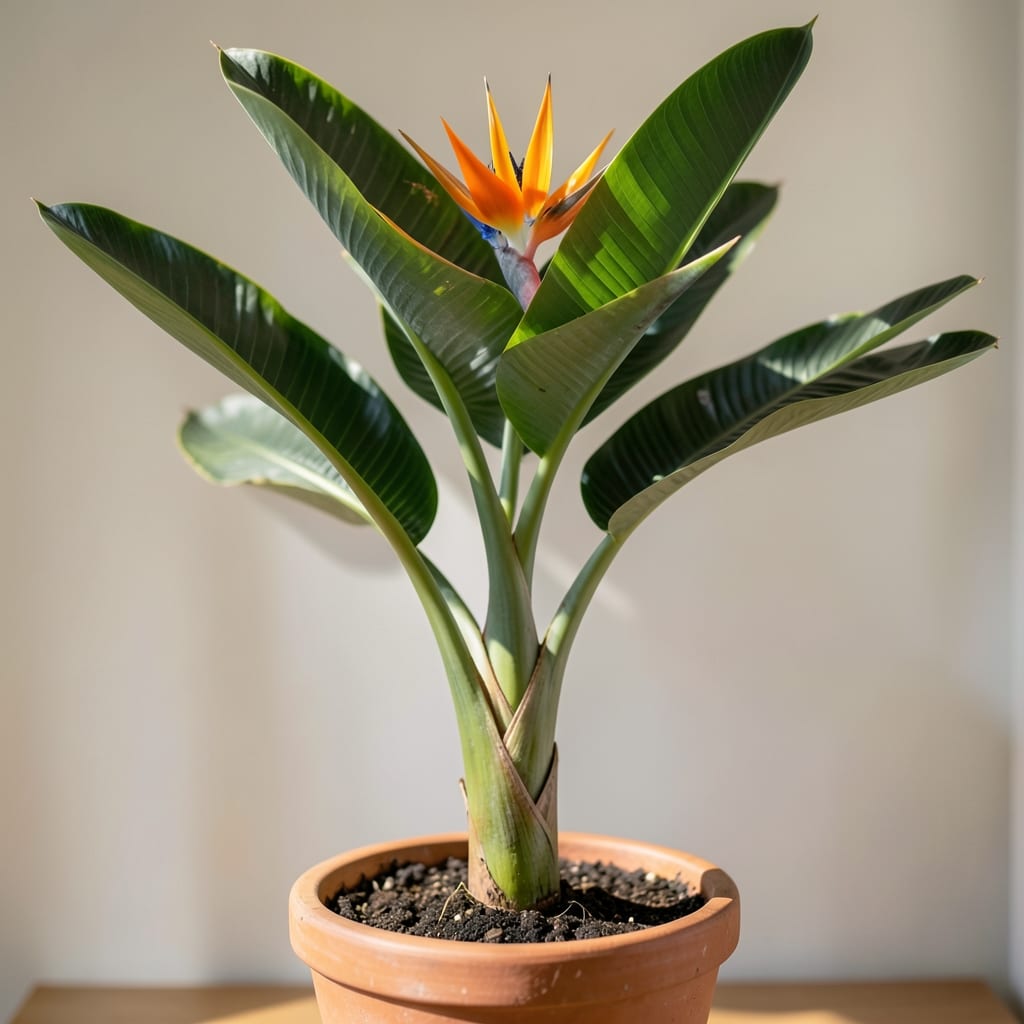
If you’ve ever dreamed of growing a Bird of Paradise 🌺 in your garden or home, you’ve probably wondered how tall this stunning plant can grow. The answer might surprise you—some varieties reach heights that rival small trees, while others stay more manageable with the right care.
For most gardeners, the Bird of Paradise (Strelitzia reginae) typically matures between 6 to 12 feet tall, making it a striking focal point in any outdoor space. But whether you’re growing it indoors or outside, factors like sunlight, container size, and pruning can dramatically influence its final height.
Indoor plants usually stay shorter—around 3 to 6 feet—because of limited space, while outdoor varieties can stretch toward their full potential. If you’re working with a smaller yard or living space, don’t worry: with a few simple tricks, you can keep your Bird of Paradise at a more manageable size without sacrificing its stunning blooms.
Ready to learn how to encourage the perfect height for your plant? I’ll break down everything you need to know—from variety-specific growth habits to pruning tips that’ll keep your Bird of Paradise thriving, no matter where you grow it.

Bird of Paradise height limits by variety: indoor vs outdoor growth comparison
The Bird of Paradise (Strelitzia) family includes several stunning varieties, each with unique height potentials. Understanding these differences helps you plan your garden or indoor space effectively. Let’s explore the most popular types and their growth expectations.
For Strelitzia reginae (the classic "Bird of Paradise"), outdoor plants typically reach 6 to 12 feet tall, while indoor specimens usually max out around 4 to 6 feet due to limited space and light. This variety is the most common in gardens and containers.
Strelitzia nicolai, also called the "Giant White Bird of Paradise," is the tallest in the family, often growing 10 to 20 feet outdoors. Indoors, it rarely exceeds 6 to 8 feet unless given exceptional care and space.
Now, let’s compare these varieties side-by-side to see how they stack up in real-world growing conditions:
| Variety | Outdoor Height | Indoor Height | Growth Rate | Best For |
|---|---|---|---|---|
| Strelitzia reginae | 6-12 ft | 4-6 ft | Moderate | Gardens, containers |
| Strelitzia nicolai | 10-20 ft | 6-8 ft | Fast | Large spaces, tropical gardens |
| Strelitzia juncea | 8-12 ft | 3-5 ft | Slow to moderate | Arid climates, containers |
| Strelitzia caudata | 10-15 ft | 5-7 ft | Moderate | Tropical gardens, large pots |
If you’re growing Strelitzia juncea (also called the "Candy Cane Bird of Paradise"), expect a slightly slower growth rate but still impressive heights. Outdoors, it reaches 8 to 12 feet, while indoors, it stays more compact at 3 to 5 feet—perfect for smaller spaces.
For Strelitzia caudata, a less common but equally stunning variety, outdoor plants can grow 10 to 15 feet tall. Indoors, they typically max out around 5 to 7 feet, making them ideal for larger indoor spaces or greenhouses.
Choosing the right variety depends on your space and climate. If you live in a USDA Zone 8 or higher, most Bird of Paradise varieties thrive outdoors year-round. In cooler climates, they’re best grown as container plants and brought indoors during winter.
Pro tip: If you’re unsure which variety to pick, Strelitzia reginae is the most versatile and widely available. It adapts well to both indoor and outdoor settings, making it a great choice for beginners.
Ready to see how your Bird of Paradise grows over time? Next, I’ll share how to control its height using light, space, and care techniques—so you can keep it at your ideal size, whether that’s a towering statement piece or a compact indoor beauty. 🌿
Factors that control Bird of Paradise height: light, space, and care
Your Bird of Paradise’s height isn’t just determined by its variety—it’s heavily influenced by the growing conditions you provide. Whether you’re aiming for a compact indoor plant or a towering outdoor specimen, understanding these key factors will help you guide its growth. Let’s explore how sunlight, container size, and care practices shape your plant’s ultimate height.
First, sunlight exposure is the #1 driver of growth. Bird of Paradise plants thrive in full sun (6+ hours daily), which fuels rapid vertical growth. In low-light conditions, your plant may stay shorter but often produces fewer blooms. If you’re growing indoors near a south-facing window, expect slower height growth compared to outdoor plants basking in direct sunlight.
Next, container size plays a crucial role for indoor plants. Root-bound Bird of Paradise in small pots will grow taller as it stretches toward light, while a spacious container (2+ feet deep) encourages bushier, more controlled growth. Outdoor plants, however, have more room to spread their roots, allowing them to reach their full 6-12 foot potential.
| Factor | Indoor Growth Impact | Outdoor Growth Impact |
|---|---|---|
| Sunlight | Slower growth (3-6 ft), fewer blooms | Rapid growth (6-12 ft), vibrant blooms |
| Container Size | Taller if root-bound (stretching) | Full height potential (unrestricted roots) |
| Pruning | Controls height (trim regularly) | Encourages bushiness (optional) |
| Fertilizer | Moderate growth (balanced NPK) | Faster growth (rich soil) |
Don’t overlook the role of pruning—this is your secret weapon for managing height. Regular pruning (every 1-2 years) encourages lateral growth, creating a fuller, more compact plant. For indoor plants, prune in late winter to shape growth before the active growing season. Outdoor plants benefit from pruning after flowering to remove dead stems and redirect energy to new shoots.
Seasonal changes also affect height. In summer months, your Bird of Paradise will grow most aggressively due to longer daylight and warmth. During winter dormancy, growth slows dramatically, making it the perfect time to prune or repot without stressing the plant. If you notice leggy growth in winter, it’s often a sign of insufficient light or over-fertilizing.
Finally, watering habits indirectly influence height. Overwatering can lead to weak stems and slower growth, while underwatering stresses the plant and may stunt its development. Aim for deep watering (1-2 gallons) every 7-10 days during dry spells, and always use well-draining soil to prevent root rot.
By mastering these factors, you’ll have full control over whether your Bird of Paradise becomes a towering statement piece or a manageable indoor accent. The key is consistency—provide the right conditions, and your plant will thrive at the height you envision! 🌿