
Size
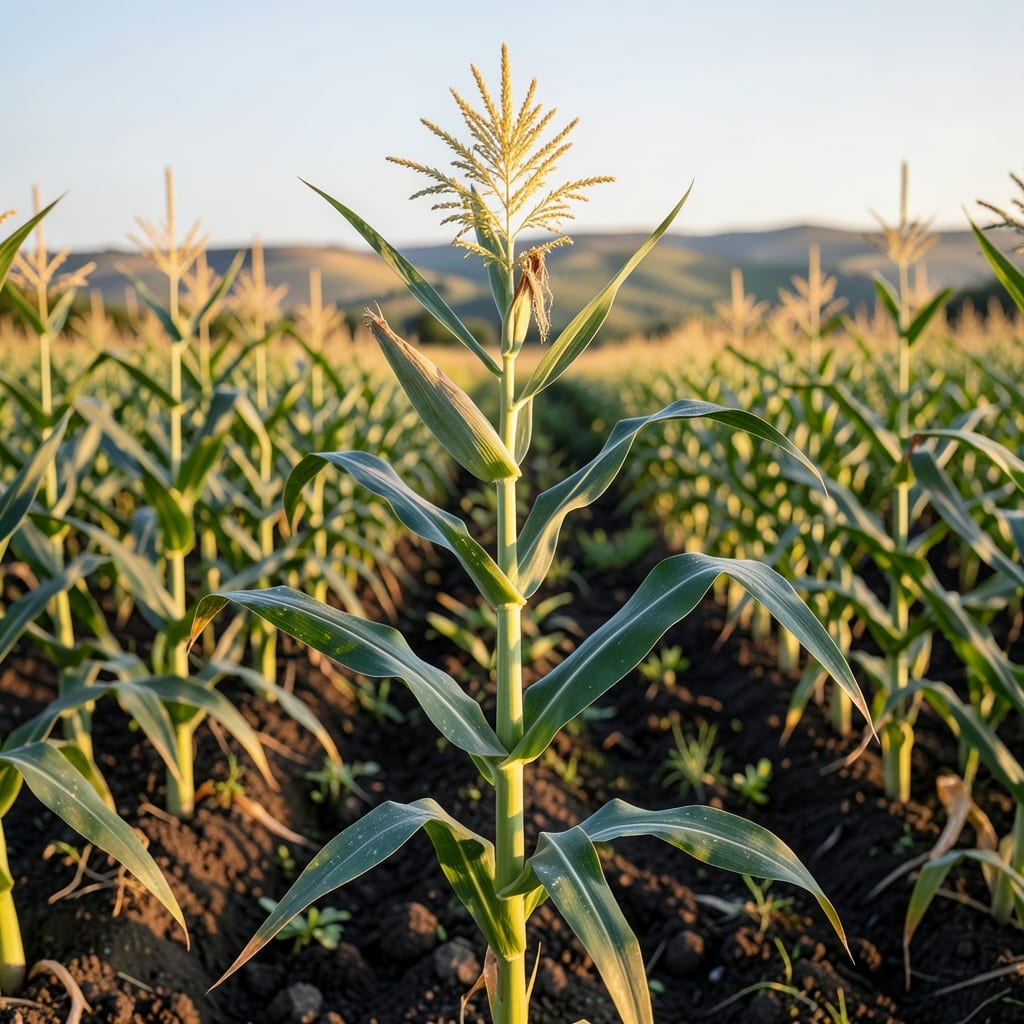
Average cornstalk heights by variety: from dwarf to giant
Corn plants can vary dramatically in height depending on the variety, with some dwarf types reaching just 4 feet while others tower over 10 feet tall. Understanding these differences helps you plan your garden layout, whether you're working with limited space or aiming for a traditional cornfield experience. The height of your cornstalks directly impacts spacing requirements, support needs, and even harvest accessibility.
Most home gardeners grow sweet corn, which typically falls into three height categories: dwarf (4-5 feet), semi-dwarf (6-8 feet), and standard (9-10 feet). Field corn and popcorn varieties often reach the taller end of this spectrum, sometimes exceeding 12 feet in ideal conditions. Let's explore these categories with real-world examples to help you choose the perfect variety for your garden.
🌽 Did You Know? The tallest cornstalk ever recorded reached an astonishing 48 feet in 2005, but this required specialized breeding and growing conditions far beyond typical home gardens.
The dwarf varieties are perfect for container gardening or small urban spaces, while standard varieties require more room but produce those iconic tall stalks we associate with cornfields. If you're growing corn in raised beds or containers, dwarf varieties will save you from dealing with floppy stalks that can topple over. For those with ample space, the taller varieties offer that classic cornfield experience and often produce more ears per stalk.
When selecting your corn variety, consider not just the height but also the days to maturity. Taller varieties often take longer to reach harvest, which can be a factor if you're in a shorter growing season. For example, the 5-foot 'Golden Bantam' might mature in just 60 days, while a 10-foot 'Peaches and Cream' could take 90 days or more. This timing difference can help you plan successive plantings for a continuous harvest.
One common misconception is that taller corn always means better yield. While taller stalks can support more ears, the number of ears and their size are often more critical factors for productivity. Some dwarf varieties produce just as many ears as their taller counterparts but in a more manageable package. For example, the 6-foot 'Silver Queen' typically produces 2-3 ears per stalk, similar to many 10-foot varieties.
If you're growing corn in containers, stick to dwarf varieties like 'Tom Thumb' which thrives in 5-gallon buckets or larger. These compact plants develop strong root systems that anchor them well, preventing the flopping that can occur with taller varieties in limited spaces. For community gardens or backyard plots, semi-dwarf varieties offer a great compromise between height and manageability.
Remember that the height you achieve depends not just on the variety but also on your growing conditions. In ideal conditions—with plenty of sunlight, rich soil, and proper care—even dwarf varieties might grow slightly taller than expected. Conversely, stressed plants in poor conditions may not reach their full potential height. This variability is why it's important to choose a variety that matches both your space and your growing expertise.
For those interested in ornamental corn, varieties like 'Glass Gem' popcorn not only provide delicious snacks but also add stunning color to the garden with its rainbow-colored kernels. These varieties typically reach 8-10 feet and can serve as beautiful focal points in your landscape while still being productive.
🌱 Whether you're aiming for a bountiful harvest or just want to add some vertical interest to your garden, understanding cornstalk heights helps you make the best choices for your space and goals.
Factors that influence corn plant height: climate, soil, and care
Corn plants don’t grow to their full potential by chance—they respond directly to your growing conditions. Sunlight exposure, soil fertility, and watering habits all play starring roles in determining whether your corn reaches 5 feet or towers over 10 feet. Let’s break down how each factor impacts height and what you can do to optimize growth.
First, sunlight is non-negotiable for corn. These plants thrive with 6-8 hours of direct sun daily. In shadier conditions, stalks may grow 20-30% shorter and produce fewer ears. If you’re in a small-space garden or urban backyard, consider south-facing plots or reflective surfaces to maximize light exposure.
Next, soil quality sets the foundation for height. Corn loves well-draining, nutrient-rich soil with a pH between 6.0-7.0. A lack of nitrogen or phosphorus can stunt growth, while excessive nitrogen may lead to leafy growth at the expense of stalk strength. Test your soil before planting—amend with compost or a balanced fertilizer like 5-10-10 to encourage healthy, sturdy stalks.
🌱 Key Factors for Corn Height
- Sunlight: 6-8 hours daily for maximum growth; less sun = shorter stalks.
- Soil: Rich in nitrogen/phosphorus; pH 6.0-7.0 for optimal uptake.
- Water: Consistent moisture prevents stunted growth; drought stress halts height gains.
- Spacing: Crowded plants compete for nutrients, reducing stalk height by up to 30%.
- Temperature: Ideal 70-85°F dayside temps; cooler weather slows growth.
Watering is another critical lever for height. Corn plants need 1-2 inches of water weekly, especially during tasseling and ear development. Underwatering causes stunted growth, while overwatering can lead to weak stalks prone to lodging. Mulch around the base to retain moisture and regulate soil temperature—this simple step can add 1-2 feet to mature height.
Don’t overlook spacing when planning your corn patch. Plants need 12-18 inches apart in rows spaced 30-36 inches apart. Too little space forces stalks to compete for sunlight and nutrients, resulting in shorter, weaker plants. In container gardening, choose dwarf varieties (like 'Golden Bantam') and use large pots with trellises to support vertical growth.
Finally, trellising or staking can help corn reach its genetic potential, especially in windy areas or for semi-dwarf varieties. Install bamboo stakes or wire cages early in the season to prevent lodging (when stalks flop over). This support doesn’t just protect ears—it also encourages taller, straighter growth by reducing mechanical stress.
By tuning these factors, you’ll give your corn the best chance to grow to its full height—whether you’re aiming for compact backyard varieties or towering field corn. Pay attention to how your plants respond, and adjust care as needed. Happy growing! 🌽