
How To
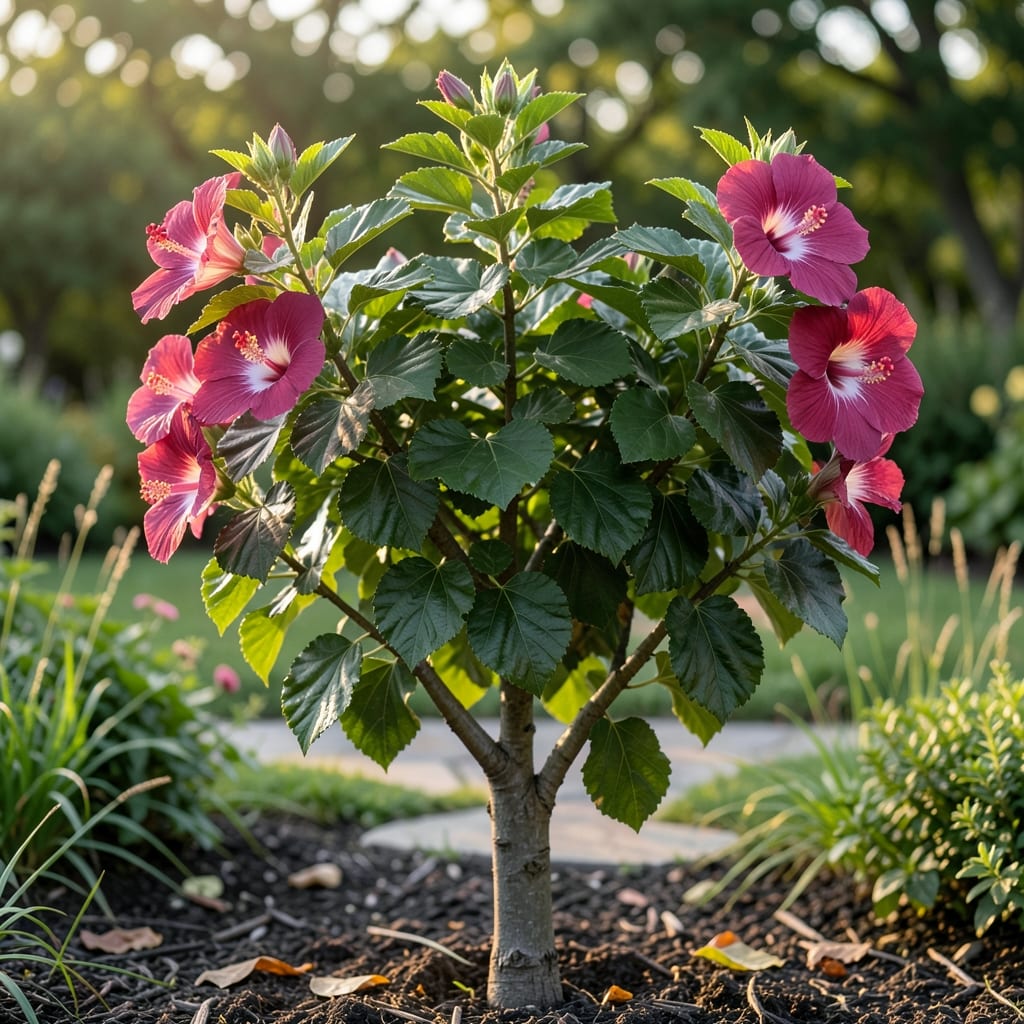
Wondering how tall can a hibiscus tree grow in your backyard? The answer might surprise you—these tropical beauties can range from compact shrubs to towering giants, depending on the variety and care you provide.
If you're envisioning a 🌺 Hibiscus Tree that reaches sky-high, tropical varieties like Hibiscus rosa-sinensis can soar up to 15-20 feet with the right conditions. But hardy types, such as Hibiscus syriacus, typically stay between 6-10 feet, making them perfect for smaller gardens in zones like 6a.
Pruning plays a key role in controlling height—whether you want a bushy shrub or a tall, elegant tree. With the right techniques, you can shape your hibiscus to fit your space while keeping it healthy and blooming year-round.
Ready to learn how to manage your hibiscus’s growth? I’ll break down the factors that influence height, from variety choices to pruning tips, so you can create the perfect tropical oasis in your garden.


Hibiscus tree height by variety: small to giant growth ranges
Hibiscus trees come in a stunning array of sizes, from dwarf varieties perfect for containers to towering giants that dominate landscapes. The 🌺 Hibiscus rosa-sinensis, the classic tropical hibiscus, typically reaches 10-15 feet at maturity, while hardy types like Hibiscus syriacus stay between 6-10 feet. Choosing the right variety is the first step in controlling your hibiscus’s height potential.
For smaller spaces, dwarf hibiscus varieties like 'Piebald' or 'Lime Green' max out at 3-5 feet, making them ideal for patios or balcony gardens. These compact types grow at a slower pace—expect 1-2 feet of growth per year—so they’re perfect for beginners or urban gardeners with limited room. Their smaller stature doesn’t mean fewer flowers, though!
On the opposite end of the spectrum, standard tropical hibiscus varieties can soar to 20 feet or more when given ideal conditions. These giants grow 3-5 feet per year in warm climates, turning your backyard into a lush, tropical escape. However, their rapid growth requires regular pruning to manage height and maintain a balanced shape.
🌱
| Variety | Mature Height | Growth Rate | Best For |
|---|---|---|---|
| Dwarf Hibiscus (e.g., 'Piebald') | 3-5 ft | 1-2 ft/year | Containers, small gardens |
| Hardy Hibiscus (e.g., 'Blue Chiffon') | 6-10 ft | 2-3 ft/year | Medium gardens, borders |
| Tropical Hibiscus (e.g., 'Hawaiian Sunset') | 10-15 ft | 3-5 ft/year | Large gardens, privacy screens |
| Giant Tropical (e.g., 'Red Disko') | 15-20+ ft | 4-6 ft/year | Tropical landscapes, large yards |
If you’re planting a hibiscus as a small tree, consider the 🌺 Hibiscus syriacus, also known as the rose of Sharon. This hardy variety thrives in USDA zones 5-9 and typically matures between 8-12 feet, making it a versatile choice for both cold and warm climates. Its fast growth rate means you’ll see noticeable height increases within the first few years.
For a bushier appearance rather than a tall tree, opt for semi-dwarf varieties like 'Arnold Promise,' which maxes out at 8-10 feet but grows wide and full. These types are perfect for hedges or foundation plantings, offering year-round interest with their striking foliage and continuous blooms in warm seasons.
One common misconception is that all hibiscus trees grow into towering giants. In reality, pruning and care play a massive role in determining height. Even the tallest varieties can be kept manageable with regular trimming, while dwarf types can be encouraged to grow taller with proper fertilization and sunlight. The key is understanding your hibiscus’s natural growth habit and adjusting care accordingly.
Whether you’re aiming for a privacy screen or a centerpiece plant, choosing the right variety ensures your hibiscus will thrive at the perfect height for your space. Next, I’ll cover how pruning techniques can further control your hibiscus’s growth and shape—so stay tuned!
🪴
Hibiscus tree height by variety: small to giant growth ranges
Your hibiscus tree’s height depends entirely on the variety you choose. Tropical hibiscus (Hibiscus rosa-sinensis) often grows the tallest, reaching 15-20 feet in ideal conditions, while hardy hibiscus (Hibiscus syriacus) typically stays between 6-10 feet. Dwarf varieties, like 'Lilliputian,' max out at just 3-5 feet, perfect for containers or small gardens.
For a quick reference, here’s how popular varieties compare in mature height and growth habits:
| Variety | Mature Height | Growth Rate | Best For |
|---|---|---|---|
| Tropical Hibiscus (H. rosa-sinensis) | 15-20 ft | Fast (3-5 ft/year) | Large gardens, privacy screens |
| Hardy Hibiscus (H. syriacus) | 6-10 ft | Moderate (2-3 ft/year) | Small yards, urban landscapes |
| Dwarf Hibiscus ('Lilliputian') | 3-5 ft | Slow (1-2 ft/year) | Containers, patios, balconies |
| Pendula Hibiscus | 10-15 ft (weeping branches) | Moderate (2-4 ft/year) | Arbors, trellises, focal points |
If you’re in USDA Zone 6a or colder, opt for hardy varieties like 'Blue Chiffon' or 'Hamabo,' which thrive in cooler climates and stay under 10 feet. Tropical varieties, however, need year-round warmth (Zones 9-11) to reach their full height potential.
For container gardening, choose dwarf or semi-dwarf varieties and prune regularly to keep them under 6 feet. Even standard-sized hibiscus can be managed with strategic pruning—more on that in the next section!
Remember, soil quality and sunlight also play a role. Well-draining, slightly acidic soil (pH 6.0-6.5) and 6+ hours of full sun daily will maximize your hibiscus’s growth potential, no matter the variety.
🌺