
How To
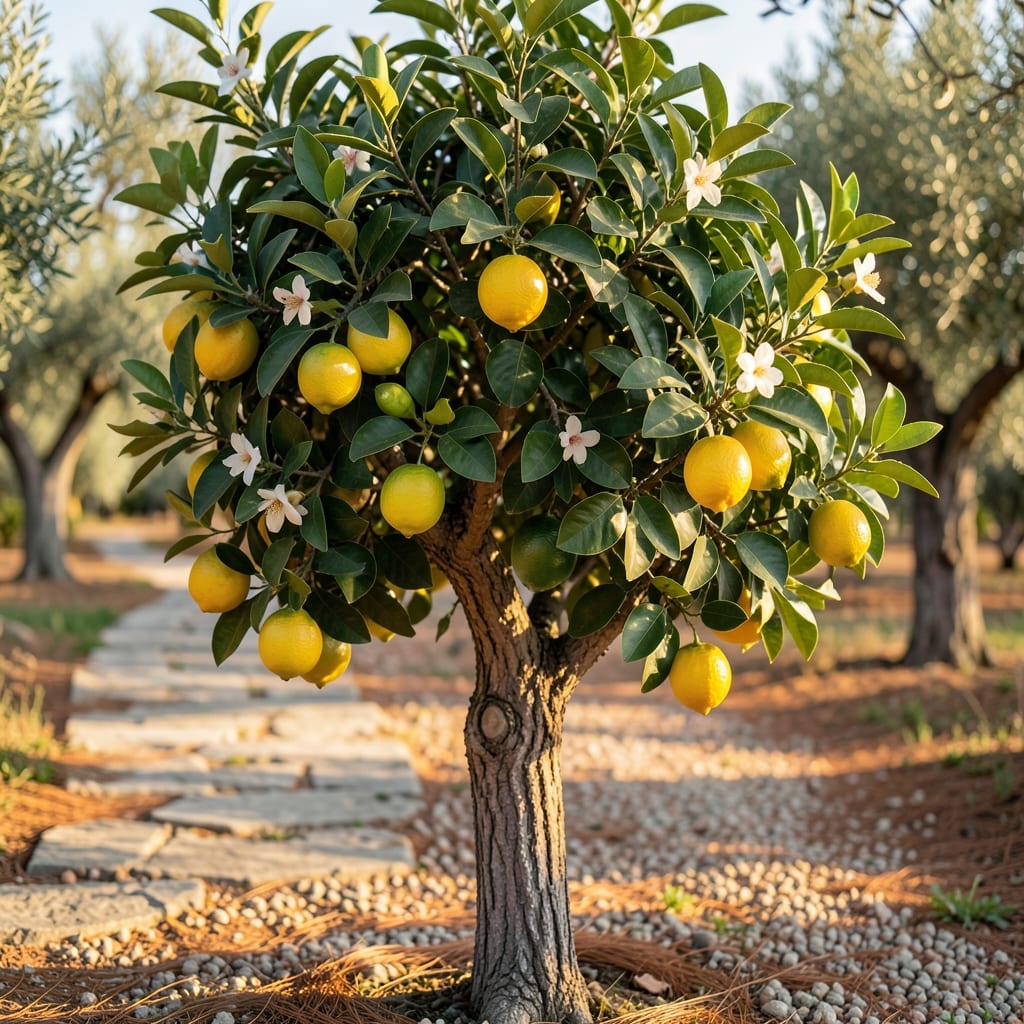
If you’ve ever wondered just how tall your 🍋 lemon tree could grow, the answer might surprise you—these citrus powerhouses can stretch from cozy 3-foot container plants to towering 30-foot giants in ideal conditions. The difference often comes down to the variety you choose and how you care for it, whether you’re growing one indoors or outdoors in zones like 6a.
Picture this: a dwarf Meyer lemon thriving on your patio, its branches just brushing your shoulder, while a full-grown standard variety in your backyard could reach higher than a 10-foot ceiling. But what factors actually determine that height? From pruning techniques to sunlight exposure, the way you nurture your tree plays a huge role in keeping it manageable—or letting it grow wild.
For beginners, the good news is that you don’t have to settle for a giant if you don’t want one. With the right variety and a little guidance, you can enjoy fresh lemons year-round without sacrificing your outdoor space. Let’s break down the options so you can pick the perfect size for your garden—or even your kitchen windowsill.
Whether you’re dreaming of a harvest in October or just want a low-maintenance plant, understanding your lemon tree’s growth potential is the first step. By the end of this guide, you’ll know exactly how to control its height—no matter how ambitious (or compact) your vision is.


Lemon tree height variations: from dwarf to giant varieties
When you imagine a lemon tree in your garden, the first question is often: how tall will it grow? The answer depends entirely on the variety you choose and how you care for it. Some lemon trees stay small enough for a container on your patio, while others can become towering giants in your backyard. Understanding these differences is key to picking the right tree for your space.
For example, a Meyer lemon tree, a popular dwarf variety, typically reaches just 3–6 feet at maturity—perfect for indoor growing or small balconies. Meanwhile, standard varieties like the Eureka lemon can easily grow 15–25 feet tall when planted in the ground, requiring more space and regular pruning to manage their height.
🍋
| Variety | Mature Height | Growth Rate | Best For |
|---|---|---|---|
| Dwarf Meyer Lemon | 3–6 ft | Slow to moderate | Containers, patios, indoor growing |
| Improved Meyer Lemon | 6–10 ft | Moderate | Small gardens, large pots |
| Standard Eureka Lemon | 15–25 ft | Fast | Large gardens, orchards |
| Lisbon Lemon | 20–30 ft | Very fast | Rural properties, commercial orchards |
Note: Height can vary based on pruning, sunlight, and soil conditions.
If you’re growing a lemon tree in a container, expect it to stay smaller due to root restrictions, even if it’s a standard variety. However, if planted in the ground with full sun and rich soil, it will grow to its full genetic potential. For example, a Lisbon lemon tree can reach 30 feet in ideal conditions, making it more suited for rural areas or large properties.
Another factor to consider is the growth rate. Dwarf varieties like the Meyer lemon grow slowly, making them easier to manage for beginners. In contrast, standard varieties can grow 2–3 feet per year in optimal conditions, which means they’ll quickly outgrow their space if not pruned regularly.
For those in USDA Zone 6a, where winters can be harsh, dwarf varieties are often the best choice. They’re easier to protect from cold and can even be brought indoors during frost. Standard varieties, on the other hand, may require winter mulching or greenhouse protection to survive colder months.
Pruning also plays a huge role in controlling height. Even a tall-growing variety can be kept manageable with regular pruning to shape the tree and encourage bushier growth. This is especially useful for fruit production, as pruning helps direct energy toward producing more lemons rather than just vertical growth.
🌱
When choosing a lemon tree, think about your space and long-term goals. If you want fresh lemons year-round but have limited space, a dwarf variety in a container is your best bet. If you have a large garden and enjoy the challenge of growing a tall, mature tree, a standard or giant variety will reward you with an abundance of fruit—but it will require more maintenance and space.
How to control lemon tree height: pruning, grafting, and container tips
Once you’ve chosen your lemon tree variety, the next step is managing its height—whether you want to keep it compact or encourage natural growth. The key tools at your disposal are pruning, grafting, and container gardening. Each method offers unique benefits, depending on your space and goals. For example, if you’re growing a dwarf Meyer lemon in a 10-gallon pot, pruning will help maintain its shape, while grafting can transform a standard tree into a dwarf.
Pruning isn’t just about cutting branches—it’s about shaping your tree for better fruit production and airflow. I recommend pruning your lemon tree twice a year: once in late winter to remove dead or overcrowded branches, and again in early summer to encourage new growth. Use clean, sharp pruners to make cuts just above a leaf node or bud. This encourages the tree to grow bushier rather than taller, which is perfect for container-grown trees.
🌱
- 1 Prune in late winter to remove dead or crossing branches. Focus on opening the tree’s canopy for better sunlight penetration.
- 2 Summer pruning encourages new growth. Trim back any leggy branches to promote a fuller shape, especially if your tree is growing taller than desired.
- 3 Graft dwarf varieties onto standard rootstock if you want a compact tree but love the fruit of a larger variety. This technique keeps the tree’s height in check while maintaining its productivity.
- 4 Use containers to limit root growth. A 5-gallon pot will keep a dwarf Meyer lemon under 6 feet, while a 15-gallon pot can accommodate a semi-dwarf variety up to 10 feet.
- 5 Fertilize wisely to avoid excessive growth. Over-fertilizing can lead to rapid, unchecked height increases. Stick to a balanced 6-6-6 fertilizer every 6-8 weeks during the growing season.
If you’re growing your lemon tree in a container, remember that root restrictions naturally limit its height. However, you’ll need to repot every 2-3 years to accommodate growth. Choose a pot that’s 12–24 inches in diameter for dwarf varieties and ensure it has drainage holes to prevent root rot. For indoor growing, place your container near a south-facing window to maximize sunlight exposure.
Grafting is another powerful technique for controlling height. If you love the fruit of a standard lemon variety but don’t have the space, you can graft its branches onto a dwarf rootstock. This combines the best of both worlds: the dwarf rootstock keeps the tree small, while the grafted branches produce the fruit you love. It’s a bit more advanced, but the results are worth it for serious gardeners.
🪴
For those in USDA Zone 6a, winter care is also crucial for managing height. If you’re growing a dwarf variety indoors, simply move it away from cold drafts. For outdoor trees, apply a thick layer of mulch around the base to protect roots and reduce stress, which can slow down spring growth. In severe winters, consider wrapping the tree trunk with burlap or frost cloth to prevent damage.
Finally, remember that height control is an ongoing process. Even with regular pruning, a standard lemon tree will eventually reach its full height if left unchecked. Stay proactive, and you’ll enjoy a well-shaped, productive tree that fits perfectly in your space—whether that’s a kitchen windowsill or a backyard orchard.