
Size
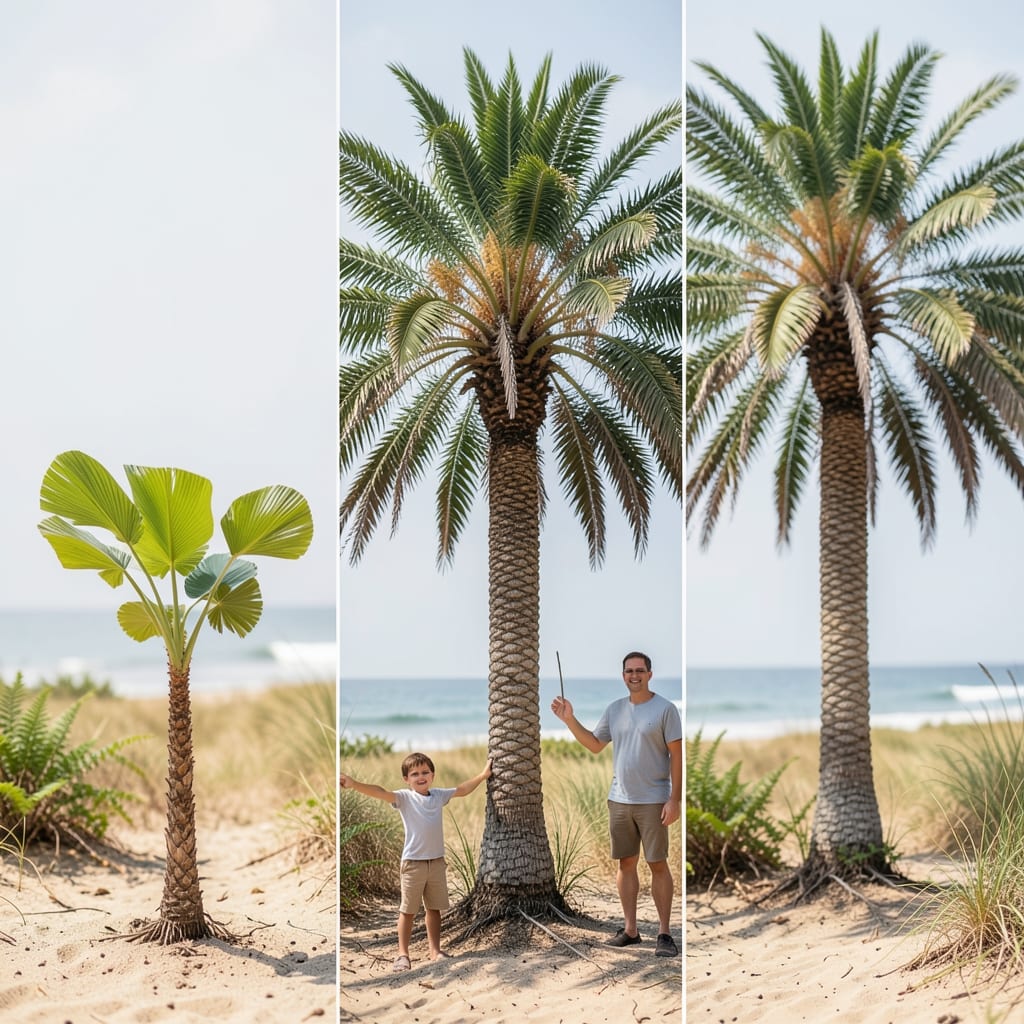
If you’ve ever wondered just how tall a single palm tree can grow, the answer might surprise you—some species stretch toward the sky like natural skyscrapers, while others stay perfectly sized for a cozy backyard. The tallest palms, like the towering Cocos nucifera (coconut palm), can reach 100 feet or more, making them architectural marvels in tropical landscapes.
But not all palms demand a 10-acre estate to thrive. Dwarf varieties, such as the Pygmy Date Palm, max out at just 6-12 feet, making them ideal for patios and small gardens. The key to their height lies in their species, climate, and the care you provide—whether you’re planting in Zone 9b or a frost-free tropical paradise.
In this guide, I’ll break down the height ranges of popular palm species, from sky-scraping giants to compact dwarfs, and share practical tips for choosing the right palm for your space. Whether you’re dreaming of a lush, towering oasis or a low-maintenance 🌴 accent, you’ll find the perfect fit.
Ready to discover which palms will thrive in your garden—and which might need a 200-foot clear zone? Let’s dive into the details so you can make an informed choice.

Palm tree height by species: from dwarf varieties to 200-Foot giants
When choosing a palm tree, height isn’t just about aesthetics—it’s about space planning, climate compatibility, and long-term maintenance. Some palms stay compact enough for patio planters, while others demand open landscapes or even coastal clearances. The tallest palm species, like the Cocos nucifera (coconut palm), can dwarf 3-story buildings, while dwarf varieties like the Pygmy Date Palm stay under 12 feet—perfect for small yards.
The height range varies wildly across 2,500+ palm species, each with unique growth habits. For example, the Royal Palm (Roystonea regia) can reach 60-100 feet in tropical climates, while the Parlor Palm (Chamaedorea elegans) maxes out at just 6 feet indoors. Understanding these differences helps you avoid overcrowding or unmanageable growth in your garden.
Here’s a breakdown of palm tree heights by category, including mature sizes, growth rates, and ideal climates to help you pick the right fit for your space:
If you’re planting in a small urban garden, dwarf palms like the Pygmy Date Palm or Parlor Palm are ideal—they fit containers and won’t outgrow your space. Meanwhile, tropical giants like the Coconut Palm or Royal Palm need wide-open spaces and tropical climates to thrive. Even in Zone 9b, where palms are hardy, overcrowding can stunt growth or invite pests.
For coastal properties, consider the Sabal palmetto, which reaches 20–30 feet and tolerates salt
How to determine a palm tree’s growth potential before planting
Before you rush to plant a palm tree, understanding its growth potential is key to avoiding headaches—and pruning disasters. A coconut palm might need a 100-foot clearance, while a Pygmy Date Palm thrives in a 10-foot pot. The first step? Research the species’ mature height and compare it to your space. For example, a Canary Island Date Palm can reach 60 feet, making it a poor fit for urban backyards unless you’re okay with regular trimming.
Next, consider your USDA hardiness zone. Most palms prefer Zones 9b-11, but some, like the Windmill Palm, tolerate Zone 8b with winter protection. If you’re in a cooler climate, opt for dwarf varieties or cold-hardy species like the Needle Palm, which maxes out at 12 feet but handles Zone 5 temperatures.
🌱
Key Factors for Palm Tree Height
- Species Genetics: Some palms are genetically programmed to stay short (e.g., Dwarf Palmetto at 3-5 feet), while others grow 100+ feet in ideal conditions.
- Climate Suitability: Palms in Zone 10+ grow faster and taller than those in Zone 9b due to longer growing seasons.
- Soil Conditions: Well-draining, slightly acidic soil (pH 5.5-6.5) promotes healthier root systems, which support taller growth.
- Watering Practices: Overwatering stunts growth, while deep, infrequent watering encourages a stronger trunk and faster height increase.
- Sunlight Exposure: 6+ hours of full sun daily maximizes growth; partial shade slows height progression by 30-50%.
- Spacing Requirements: Giant palms need 20+ feet of clearance, while dwarf palms can thrive 5 feet apart in containers.
Don’t overlook container limitations if you’re growing palms in pots. Even fast-growing species like the Mexican Fan Palm will struggle to exceed 15 feet in a 20-gallon container. Root-bound palms grow slower and may develop nutrient deficiencies, so upgrade pots every 2-3 years if you’re not planting in-ground.
For urban gardeners with limited space, consider pruning-resistant varieties like the Sago Palm (which grows 6-10 feet but rarely needs trimming) or the Bismarck Palm, a semi-dwarf that stays under 20 feet while adding dramatic foliage. Always check the growth rate—some palms add 3 feet per year, while others grow just 6 inches annually.
Finally, ask yourself: Do you want a palm for shade, aesthetics, or both? Taller palms provide year-round shade, but their roots can damage sidewalks or driveways. If you’re unsure, start with a smaller variety and monitor its growth for a year before committing to a giant.
With these factors in mind, you’ll avoid the common mistake of planting a 100-foot palm in a 10-foot yard—and end up with a happy, well-sized 🌴 that fits your space perfectly.