
How To
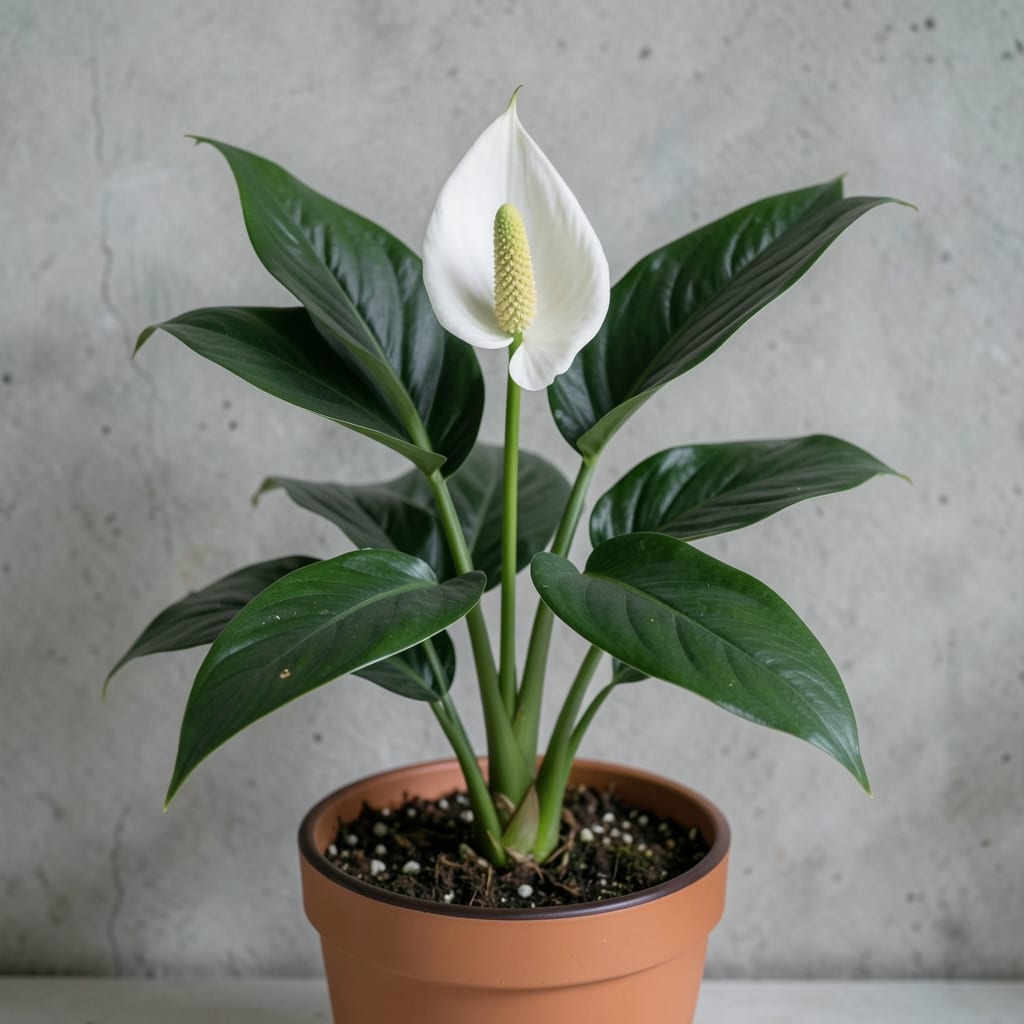
Curious about how tall your peace lily 🌿 could grow? The answer might surprise you—this elegant houseplant can reach heights of up to 4 feet indoors, but its size depends on more than just luck. Whether you're dreaming of a dramatic statement plant or prefer a compact companion, understanding the factors that influence its growth will help you choose the perfect variety for your space.
Peace lilies aren’t one-size-fits-all; some varieties stay shorter and bushier, while others stretch taller with proper care. For example, the classic Spathiphyllum wallisii typically matures between 2 and 3 feet, but with ideal conditions, it can push those limits. The key to controlling its height lies in light exposure, pot size, and even pruning techniques—all of which we’ll break down to keep your plant thriving without overpowering your room.
If you’ve ever noticed your peace lily leaning toward the light or stretching awkwardly, you’re not alone. Many gardeners assume these plants will grow wild indoors, but with the right adjustments, you can guide their growth to fit your space perfectly. Whether you’re working with a small apartment or a sunroom, learning how to manage its height ensures your peace lily stays lush and healthy for years.
Ready to discover the secrets behind a well-proportioned peace lily? From selecting the right variety to tweaking your care routine, we’ll cover everything you need to know to keep your plant at the ideal height—whether that means a compact 1-foot beauty or a towering 4-foot centerpiece. Let’s get started!


Peace lily mature height ranges by popular variety
Peace lilies (Spathiphyllum) are versatile houseplants, but their mature height varies dramatically by variety. The standard peace lily (Spathiphyllum wallisii) typically reaches 3-4 feet tall indoors, while some dwarf varieties stay under 2 feet. Choosing the right type depends on your space and aesthetic goals—whether you want a floor-filling statement plant or a compact desk companion.
Most peace lilies grow vertically through rhizome expansion and leaf elongation, with some varieties producing longer stems when stretched for light. Understanding these differences helps you select a plant that fits your home’s layout while meeting its light and care needs.
🌿
| Variety | Mature Height | Growth Habit | Best For |
|---|---|---|---|
| Spathiphyllum wallisii (Standard) | 3-4 ft | Upright, bushy | Large rooms, floor plants |
| Domino | 2-3 ft | Compact, trailing | Desks, shelves, hanging baskets |
| Red Edge (Spathiphyllum 'Red Edge') | 2-3 ft | Bushy, variegated | Medium spaces, accent plants |
| Petite (Dwarf Variety) | 1-2 ft | Slow-growing, compact | Small apartments, offices |
| Spathiphyllum 'Sensation' | 3-4 ft | Tall, dramatic | Corners, statement pieces |
The standard peace lily grows tallest, often reaching 4 feet with proper care, while dwarf varieties like 'Petite' stay under 2 feet. Varieties like 'Domino' and 'Red Edge' strike a balance, making them ideal for medium-sized spaces. Always check the plant tag for specific height expectations, as nursery-grown specimens may vary.
Light exposure plays a critical role in height. Peace lilies grown in bright, indirect light tend to stay stockier and shorter, while those in low-light conditions often stretch toward light sources, becoming taller and leggy. Position your plant near a north-facing window for optimal growth without excessive height.
🌱
If you’re working with limited vertical space, consider pruning techniques to control height. Regularly trimming overly long stems encourages bushier growth and prevents your peace lily from becoming a ceiling-height monster. For example, cutting back 1/3 of the stem just above a leaf node can stimulate new growth at a more manageable height.
Another factor to consider is pot size. Peace lilies in smaller pots grow more slowly and stay compact, while those in large containers have room to expand their root systems and reach greater heights. If you want a taller plant, opt for a 12-16 inch pot; for a shorter, bushier look, a 6-8 inch pot works best.
🪴
For those who love blooms, taller varieties like 'Sensation' produce larger, more dramatic flowers, while dwarf types may bloom less frequently but more abundantly relative to their size. If your goal is frequent blooming, prioritize consistent care—including balanced fertilizer and proper humidity levels—over sheer height.
Finally, remember that outdoor peace lilies (in USDA zones 10-12) can grow taller and bushier than indoor varieties, often reaching 5 feet or more in ideal conditions. If you’re considering moving your plant outdoors, do so gradually to avoid sunburn or shock.
Factors that influence peace lily height growth
Your peace lily’s height isn’t just about genetics—it’s heavily influenced by its environment and care routine. The single biggest factor is light exposure. Peace lilies naturally stretch toward light sources, a phenomenon called etiolation. In low-light conditions, stems elongate dramatically, sometimes reaching unexpected heights as they search for sunlight. For example, a plant in a dim corner might grow 3 feet tall with spindly stems, while the same variety in bright, indirect light stays compact and bushy at 2 feet.
💡
- 🌞 Light Exposure: Low light = taller, leggy growth; bright indirect = compact
- 🪴 Pot Size: Small pots restrict roots = slower height growth; large pots = taller
- ✂️ Pruning: Regular trimming encourages bushier, shorter growth
- 💧 Watering: Overwatering can stress roots, slowing vertical growth
- 🌡️ Temperature: Cooler temps (60-75°F) promote steady growth; extremes stunt it
Another critical element is pot size. Peace lilies grow taller when their roots have room to expand. A plant in a 12-inch pot will naturally grow taller than one in a 6-inch container because the larger space encourages root development and stem elongation. If you want to limit height, keep your peace lily in a smaller pot and repot only when roots fill 70% of the space. This simple adjustment can reduce mature height by up to 1 foot.
🌱
Pruning plays a surprising role in height control. Many gardeners assume trimming makes plants shorter, but with peace lilies, it’s about encouraging bushier growth. When you prune leggy stems back to a leaf node, you stimulate new side shoots, creating a fuller, more compact plant. For example, cutting back one-third of a tall stem can reduce overall height by 6-12 inches while increasing foliage density. Just avoid heavy pruning in winter when the plant is dormant.
Humidity levels also impact growth patterns. Peace lilies thrive in 60-80% humidity, mimicking their tropical origins. In dry indoor air (common in homes with heating/AC), they may grow slower and taller as they conserve energy. To encourage healthier, shorter growth, place a humidifier nearby or use a pebble tray with water. This small change can make a noticeable difference in stem thickness and overall compactness.
🪴
Finally, fertilizer type and schedule affect height growth. Over-fertilizing with high-nitrogen formulas promotes leafy growth but can make stems weaker and more prone to stretching. Instead, use a balanced 10-10-10 fertilizer every 6-8 weeks during spring and summer. Reduce feeding in fall to prevent rapid, leggy growth before winter dormancy. For shorter, stockier plants, focus on root health with phosphorus-rich fertilizers in early spring.
💡 By mastering these five factors—light, pot size, pruning, humidity, and fertilization—you can guide your peace lily’s growth to match your space perfectly, whether you want a desk-sized companion or a floor-filling statement plant. The key is consistency: small, regular adjustments yield the best results over time.